
The 1940s: Resilience, Romance, and the Return of Glamour
From wartime silhouettes and practical elegance to the unforgettable glamour of post-war Hollywood, the 1940s were a decade that redefined beauty, fashion, and the meaning of timeless style.
The 1940s were a decade of extraordinary contrasts. The world entered the 1940s in the shadow of war, and everyday life was transformed by uncertainty, sacrifice, and profound social change. Yet even during the most difficult years, fashion, music, cinema, and beauty remained powerful forms of expression.
Women adapted their wardrobes to a world of shortages and practical demands, while Hollywood continued to create stories that offered audiences moments of romance, mystery, and escape. Jazz clubs filled with music, victory-inspired celebrations brought communities together, and the end of the war ushered in a renewed desire for beauty, luxury, and optimism.
By the end of the decade, the visual language of fashion had changed dramatically. The restrained silhouettes of the early forties gave way to fuller skirts, sculpted waists, and a more traditionally feminine ideal. The glamour of the post-war years was not simply a return to elegance; it represented a new beginning.
From the sophistication of classic film stars to the polished details of everyday dress, the 1940s left behind a legacy that continues to inspire vintage lovers today.
Fashion: Practical Elegance and the New Feminine Silhouette
Fashion in the 1940s was shaped by necessity, but practicality did not mean the disappearance of style. Instead, the decade developed a distinctive aesthetic built around strong silhouettes, carefully chosen details, and the ability to make the most of what was available.
During the early and middle years of the decade, wartime restrictions influenced clothing production in many countries. Fabric conservation encouraged simpler designs, narrower skirts, shorter hemlines, and fewer decorative details. Clothing needed to be functional, durable, and adaptable to changing circumstances.
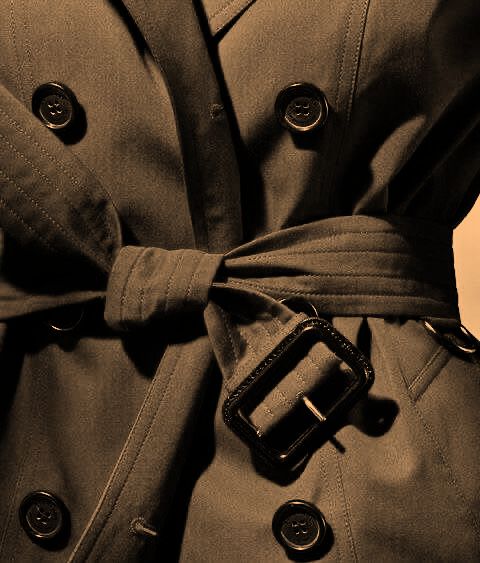
Women’s suits became especially characteristic of the period. Structured shoulders, fitted jackets, modest skirts, and defined waists created a confident silhouette. These tailored pieces reflected the changing roles of women, many of whom entered industrial and other forms of employment during the war.
Trousers also became more widely accepted in practical settings. Paired with blouses, knitted tops, or fitted jackets, they offered freedom of movement while maintaining a sense of style.
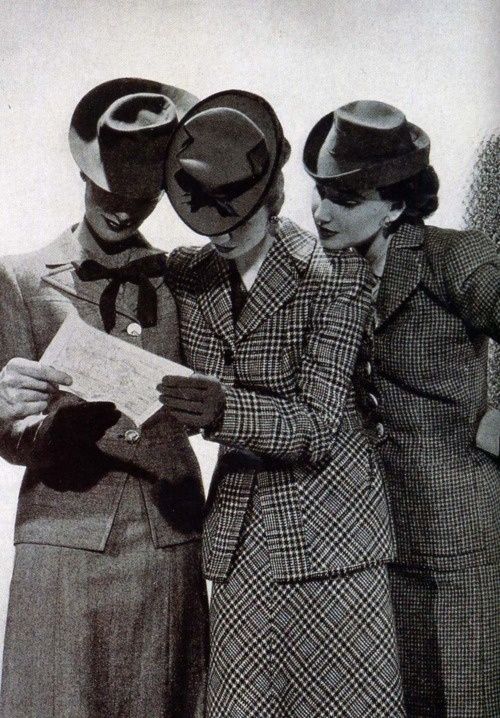
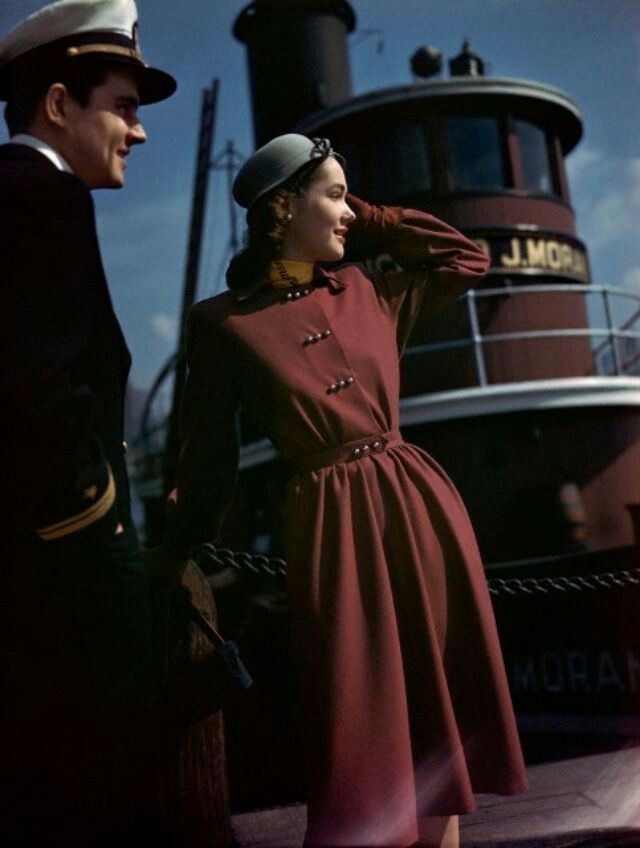
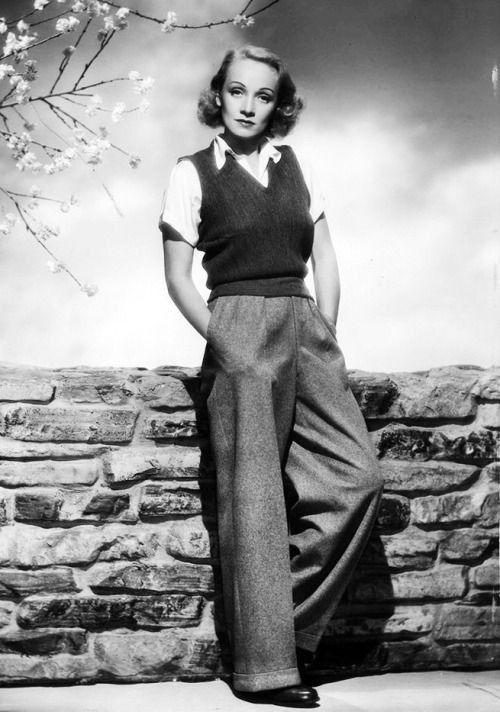
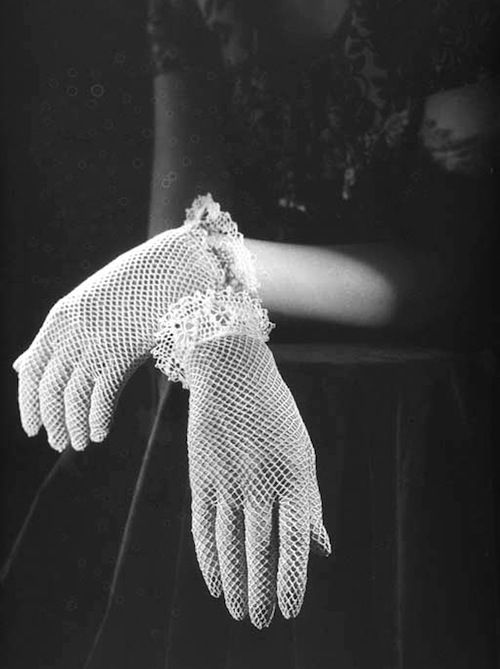
Accessories were often simple but purposeful. Small hats, turbans, brooches, gloves, and practical handbags added individuality to everyday outfits. Women also found creative ways to refresh older garments, demonstrating that personal style did not depend on an entirely new wardrobe.
The late 1940s brought a dramatic change. In 1947, Christian Dior introduced his celebrated New Look, characterised by rounded shoulders, a sharply defined waist, and full, voluminous skirts. The silhouette stood in striking contrast to wartime austerity.
Dior’s designs helped popularise a vision of post-war femininity associated with luxurious fabrics, carefully constructed garments, and dramatic proportions. Although not everyone could afford such fashion, its influence spread through magazines, department stores, and dressmaking patterns.
The decade’s fashion story was therefore one of two distinct moods: the resourcefulness of wartime dressing and the romantic elegance of the years that followed.
Hollywood’s Golden Age: Mystery, Romance, and Film Noir
The 1940s were among the most distinctive decades in classic cinema. Hollywood produced romantic dramas, sophisticated comedies, wartime stories, psychological thrillers, and some of the most celebrated examples of film noir.
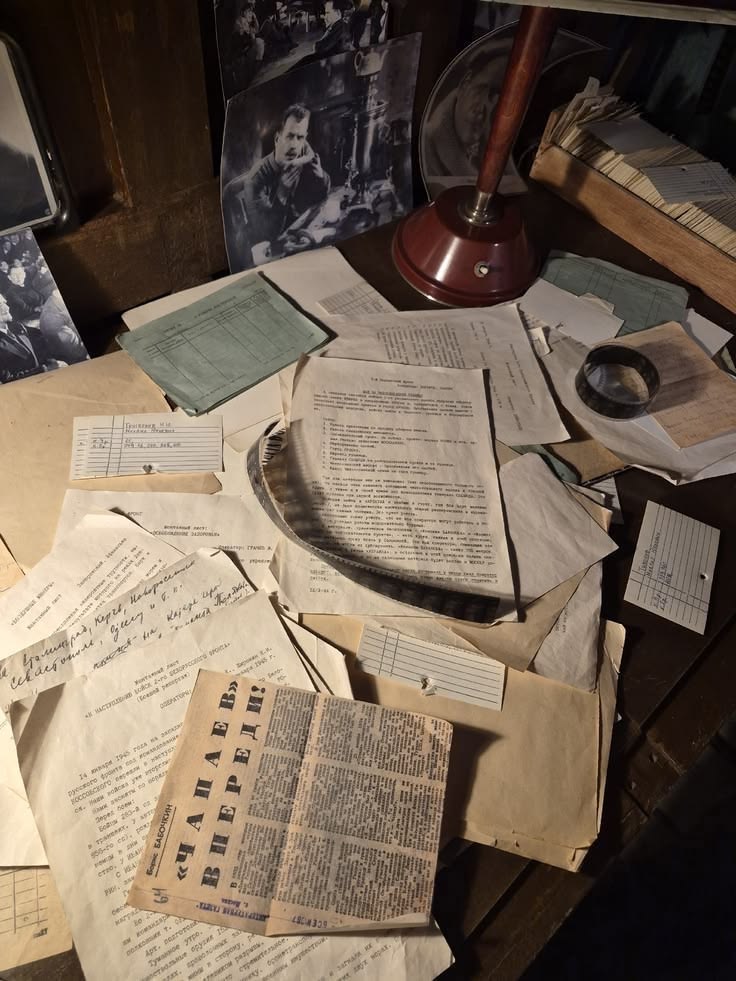
The visual style of the era was unmistakable. Deep shadows, dramatic lighting, cigarette smoke curling through dimly lit rooms, and characters caught between desire and danger created an atmosphere that remains instantly recognisable.
Film noir became one of the decade’s defining cinematic movements. Rather than presenting a world of uncomplicated heroes and happy endings, these films explored moral ambiguity, obsession, betrayal, and the darker side of human nature.
The Maltese Falcon (1941), Double Indemnity (1944), and The Third Man (1949) remain essential films for anyone interested in the mood and visual language of the era. Their carefully composed frames, sharp dialogue, and shadow-filled settings helped establish a style that continues to influence filmmakers and photographers.
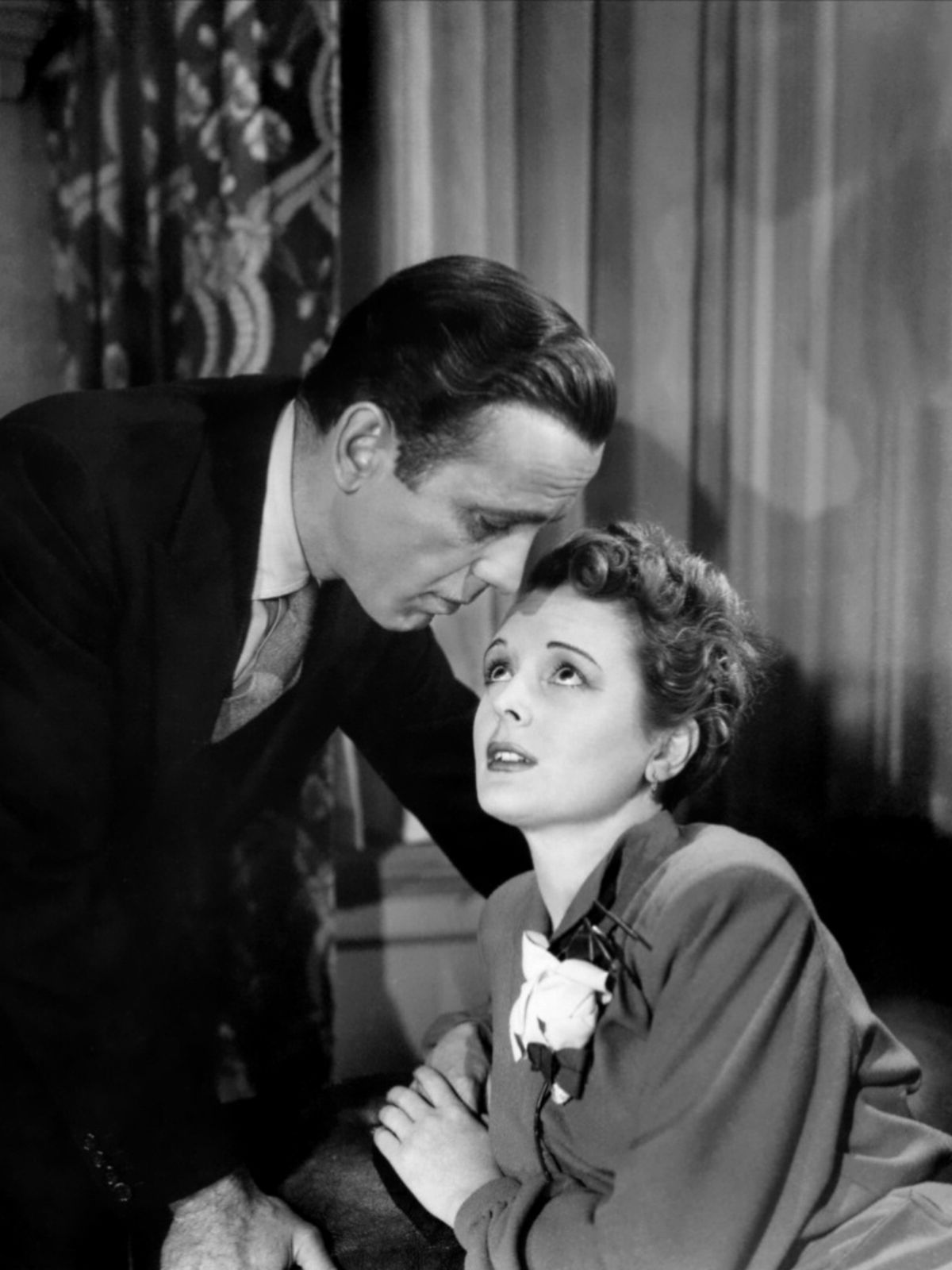
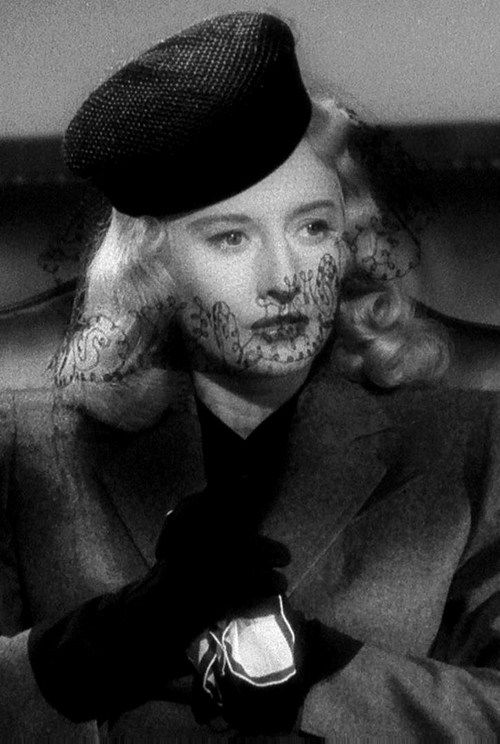
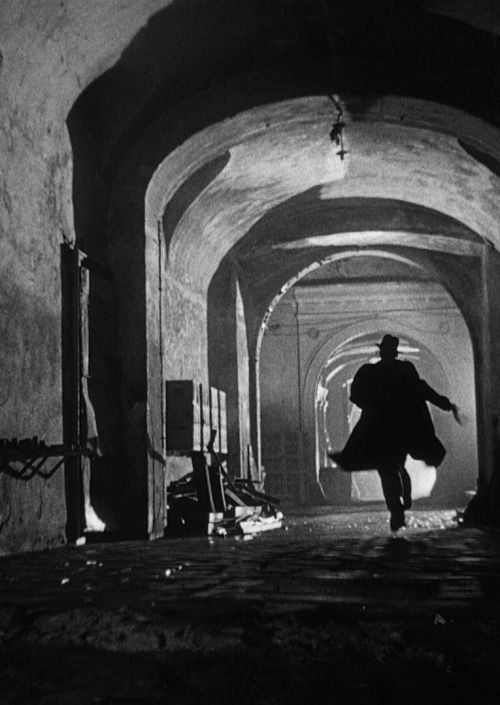
Romance and comedy flourished alongside these darker stories. Casablanca (1942) combined love, sacrifice, and wartime uncertainty into one of cinema’s most enduring romantic dramas. The Philadelphia Story (1940) offered sparkling dialogue and sophisticated social comedy, while It’s a Wonderful Life (1946) eventually became one of the most beloved films associated with the holiday season.
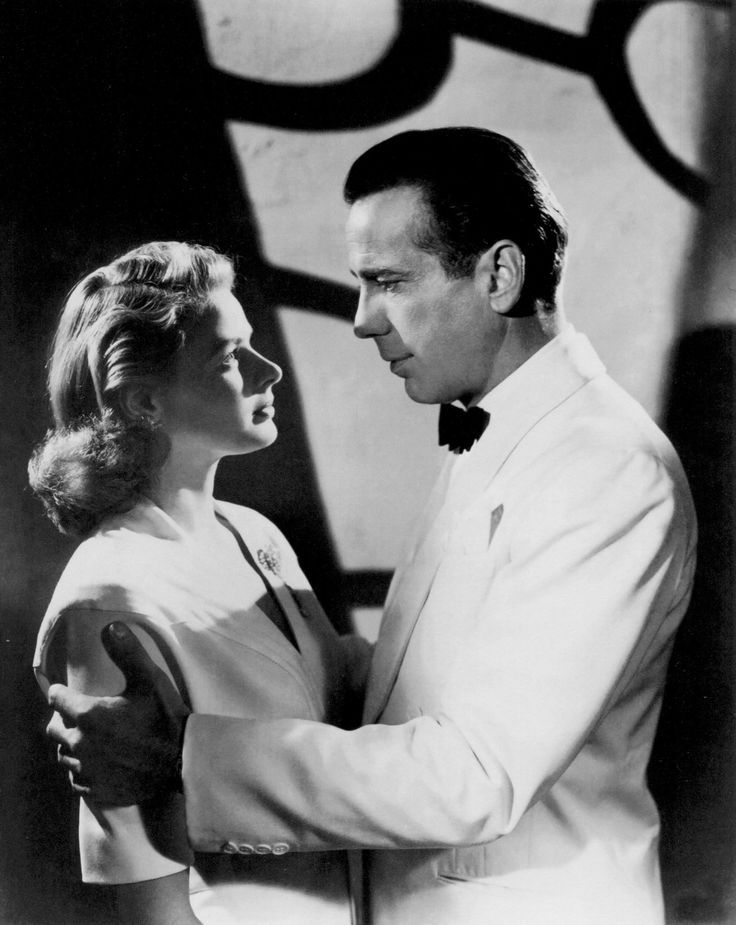
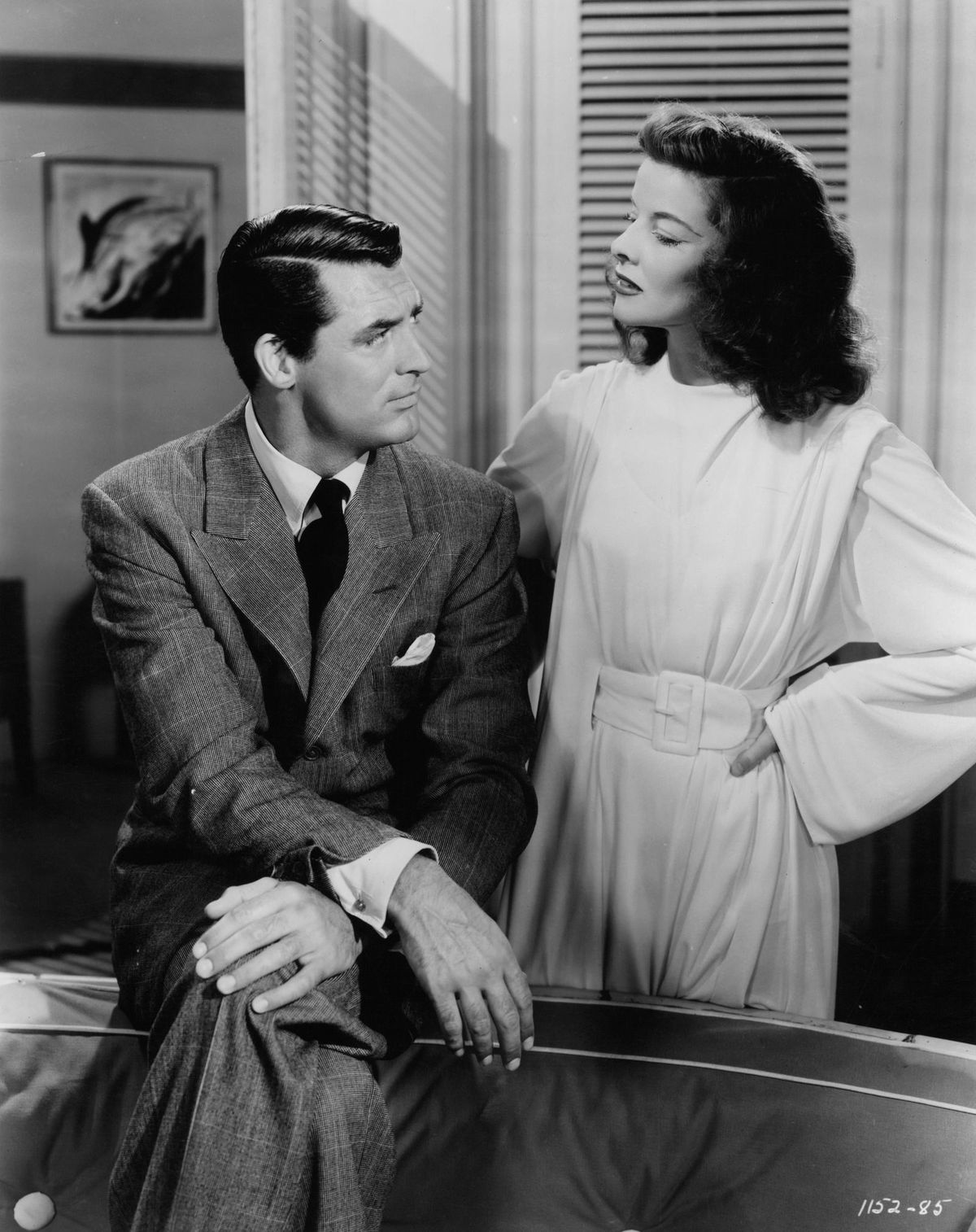
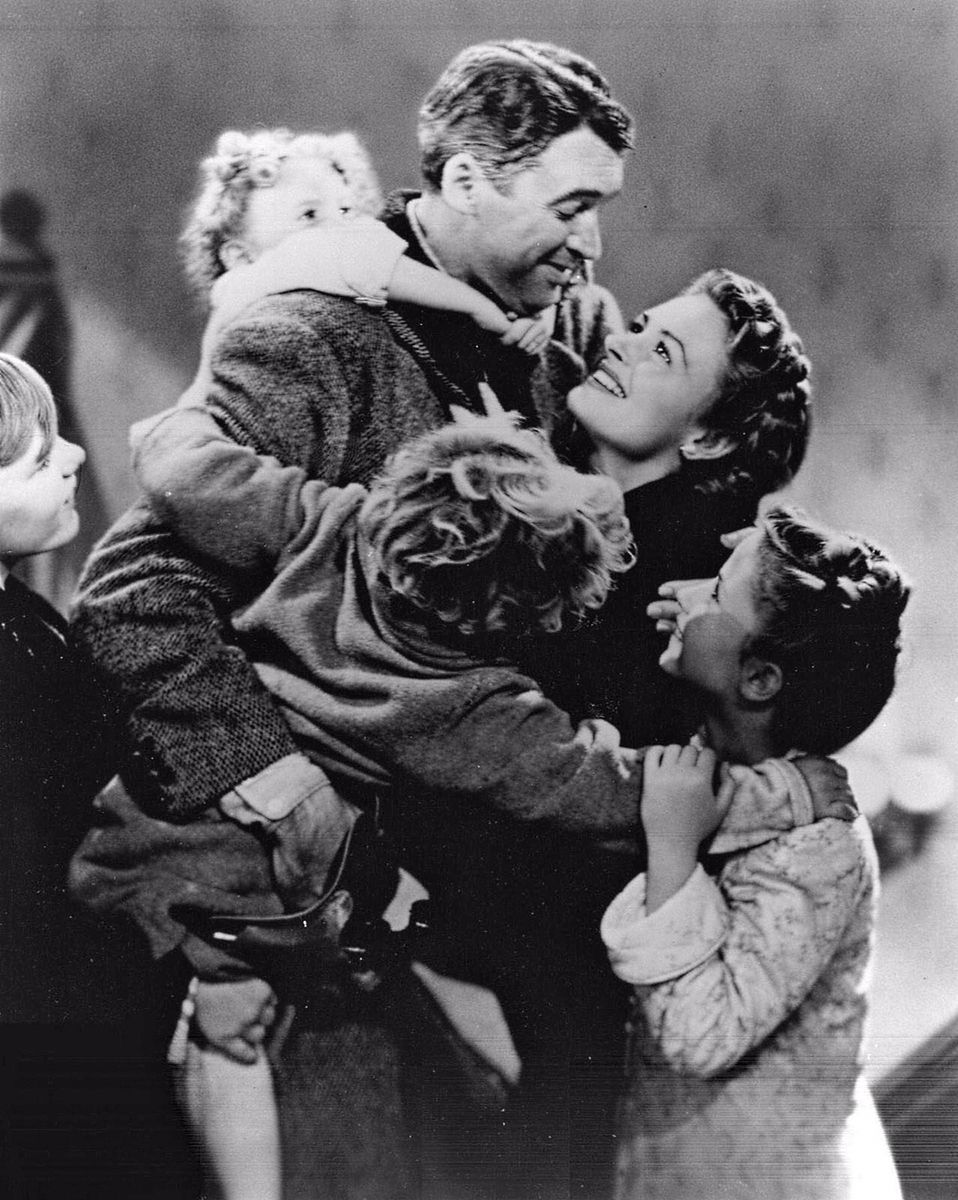
The decade also gave audiences unforgettable performances from Ingrid Bergman, Rita Hayworth, Lauren Bacall, Humphrey Bogart, Cary Grant, and Katharine Hepburn. Each brought a different quality to the screen, from understated sophistication to magnetic intensity.
Hollywood’s stars were more than entertainers. Through magazine portraits, publicity photographs, and carefully styled appearances, they helped shape international ideas of elegance and beauty.
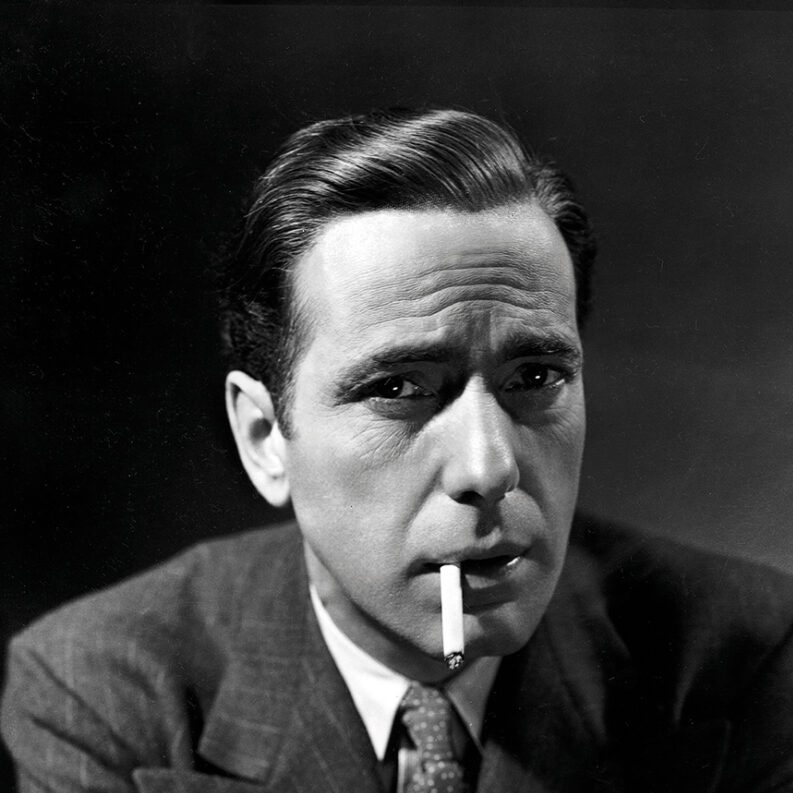
Humphrey Bogart
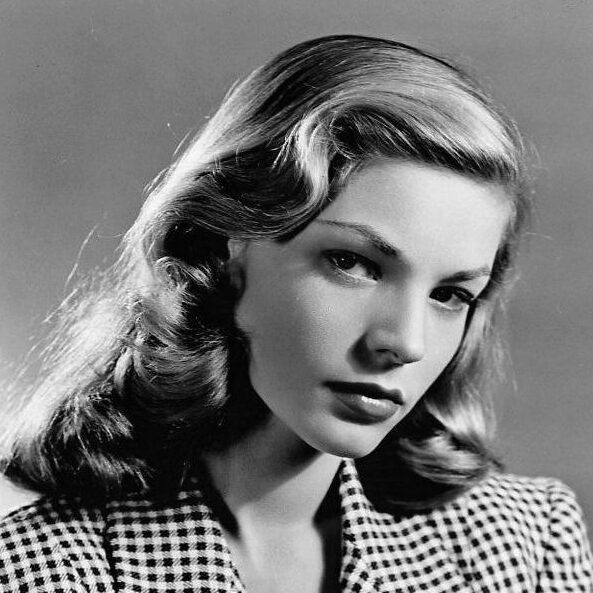
Lauren Bacall
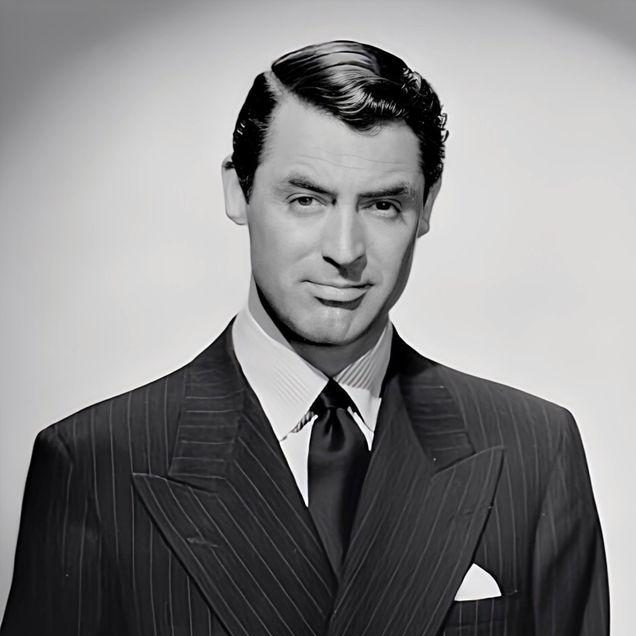
Cary Grant
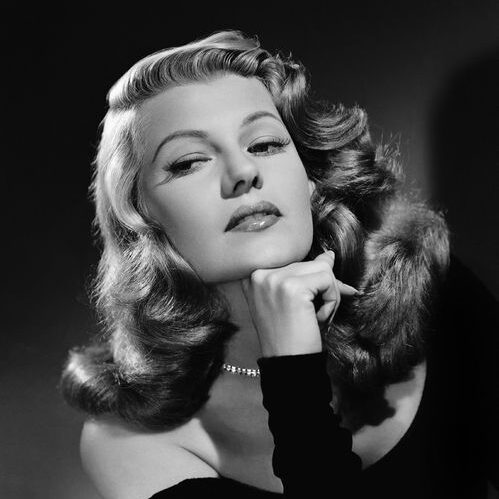
Rita Hayworth
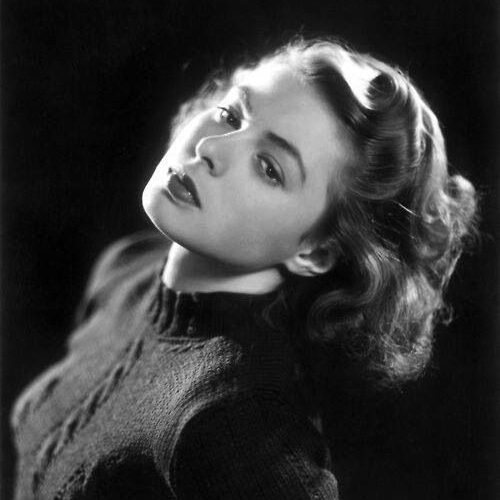
Ingrid Bergman
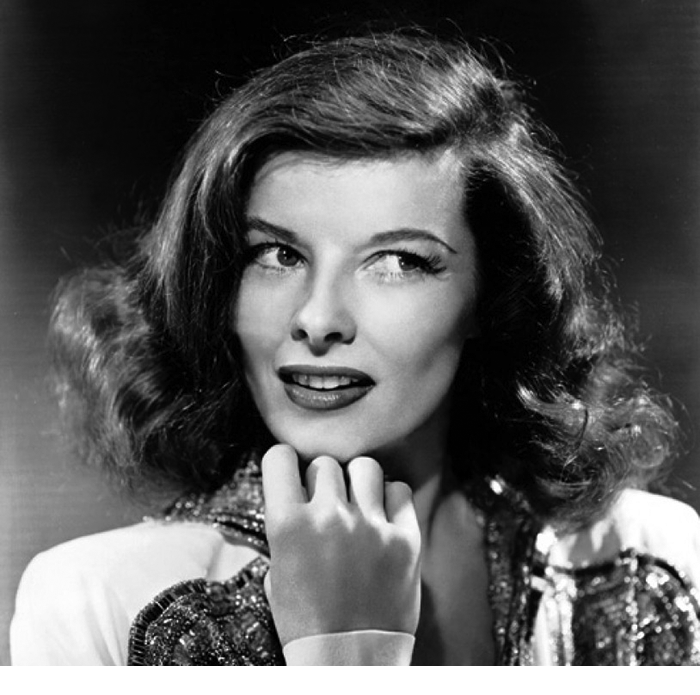
Katharine Hepburn
Beauty and Hairstyles: The Art of Polished Glamour
Beauty in the 1940s was defined by precision, balance, and carefully arranged details. Even when clothing was simple, a well-styled hairstyle or a striking shade of lipstick could transform an entire look.
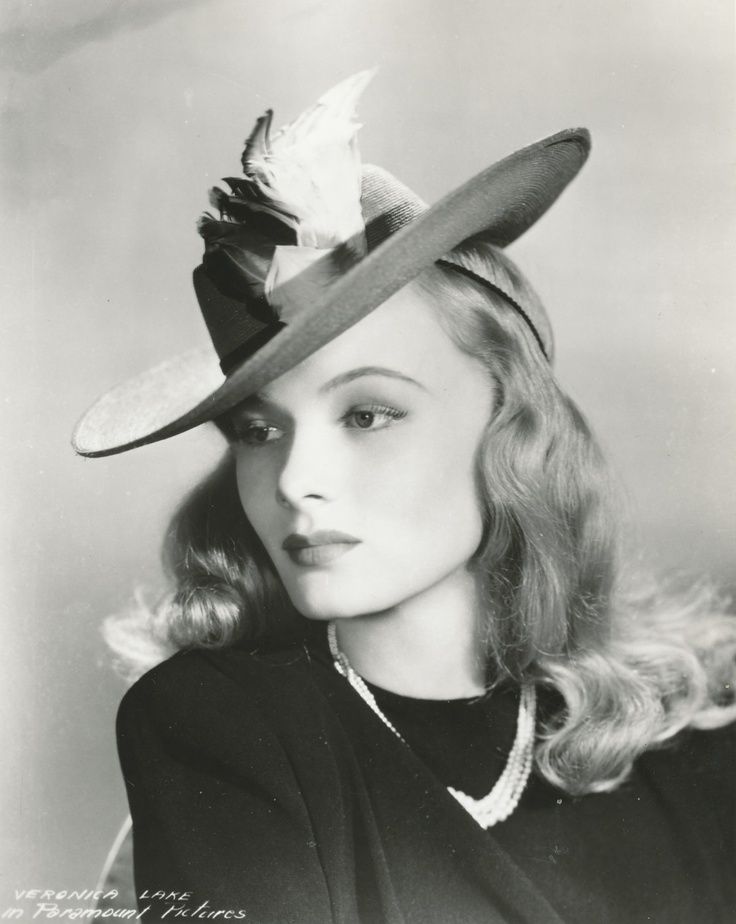
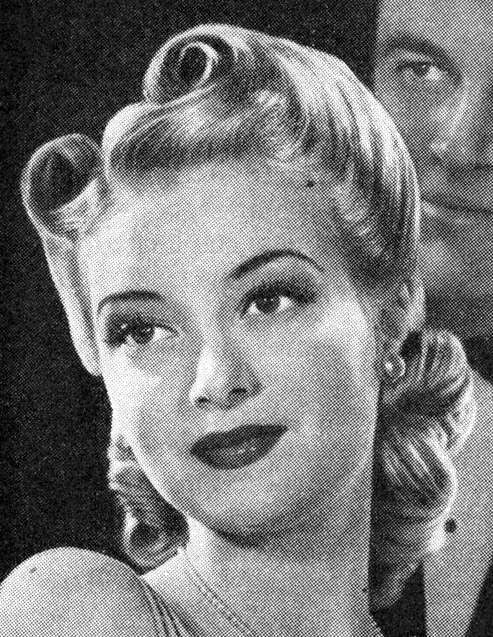
Hair was one of the decade’s most recognisable features. Victory rolls, soft curls, waved fringes, and carefully pinned updos became popular styles. These looks were practical enough to adapt to everyday life while retaining a sense of occasion.
Women often styled their hair away from the face, creating height and shape around the crown. Headscarves and turbans offered both practicality and visual interest, particularly for women working in environments where loose hair was inconvenient.
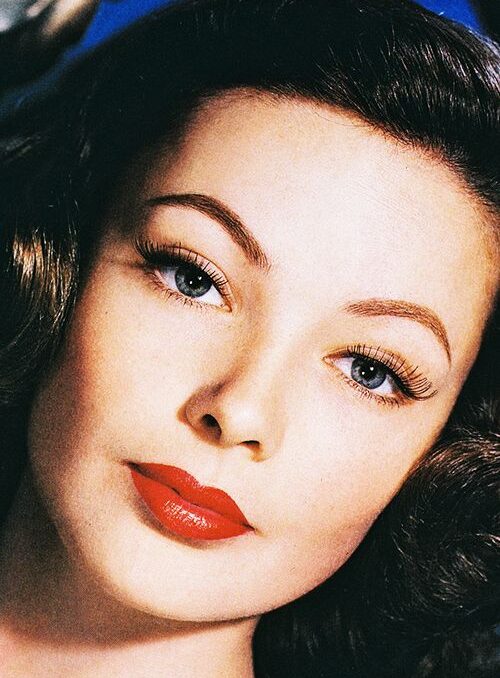
Makeup placed particular emphasis on the lips. Red lipstick became an enduring symbol of 1940s beauty, although shades of berry, rose, and deeper red were also worn. Eyebrows were shaped and defined, while the eyes were often enhanced with subtle eyeliner and mascara.
Complexion makeup aimed to create a smooth, polished appearance. The overall effect was expressive but controlled, with one feature often serving as the focal point.
Hollywood actresses helped popularise these beauty ideals. Rita Hayworth became famous for her glamorous waves, while Lauren Bacall was admired for her striking eyes and composed screen presence. Ingrid Bergman’s beauty, by contrast, was often associated with a more natural and understated elegance.
The 1940s demonstrate how beauty can adapt to its circumstances. During a decade defined by uncertainty, small rituals of self-expression offered a sense of continuity and personal identity.
Music: Swing, Big Bands, and the Rise of New Sounds
Music played an important role in the emotional life of the 1940s. Swing remained popular in the early years of the decade, filling dance halls with energetic arrangements and giving audiences a reason to gather, dance, and celebrate.
Big-band leaders such as Benny Goodman, Duke Ellington, and Count Basie had helped establish the sound of the previous decade, and their influence continued into the forties. Singers and instrumentalists performed for radio audiences, recorded popular songs, and entertained troops during wartime.
Frank Sinatra emerged as one of the defining vocal stars of the period. His smooth phrasing and romantic interpretations made him a favourite among listeners, particularly younger audiences. His recordings helped establish the intimate, emotionally expressive singing style that would become central to post-war popular music.
Jazz was also evolving. Bebop musicians, including Charlie Parker and Dizzy Gillespie, explored faster tempos, intricate improvisation, and more harmonically complex arrangements. Their innovations transformed jazz into a more adventurous musical language and influenced generations of performers.
Meanwhile, the blues and rhythm-and-blues traditions continued to develop, contributing to the musical foundations of rock and roll in the following decade.
Music in the 1940s was never simply background entertainment. It offered companionship, reflected changing social realities, and provided a soundtrack for both private longing and collective celebration.
Art, Design, and the Elegance of the Everyday
The visual culture of the 1940s was shaped by both continuity and change. Art Deco remained influential in certain interiors, jewellery, and decorative objects, while wartime production encouraged simpler, more practical forms.
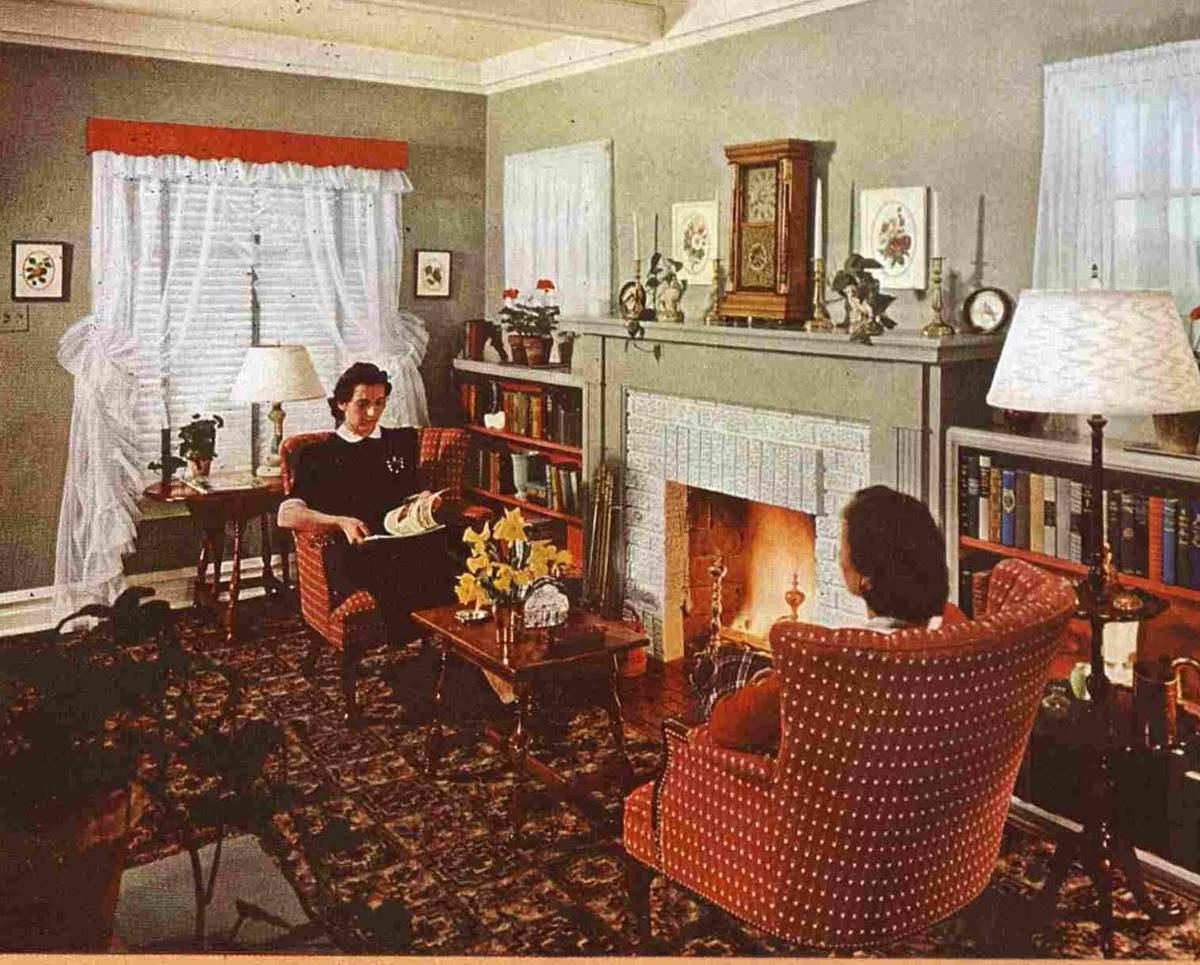
The decade also witnessed the emergence of new approaches to modern design. Functional furniture, clean lines, and an emphasis on utility reflected the need to make the most of limited resources. In many homes, beauty came from arrangement and detail rather than abundance.
Post-war optimism gradually encouraged a renewed interest in comfort and domestic life. People looked towards a future in which homes could once again become places of stability, hospitality, and personal expression.
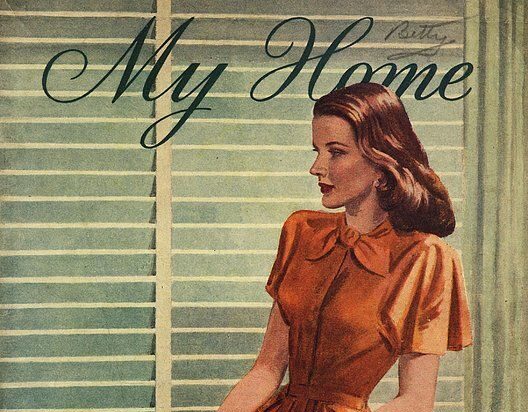
Fashion magazines and cinema continued to shape taste. Carefully composed photographs presented elegant interiors, stylish clothing, and aspirational ways of living. These images helped preserve the idea that beauty could exist in everyday objects as well as in expensive luxuries.
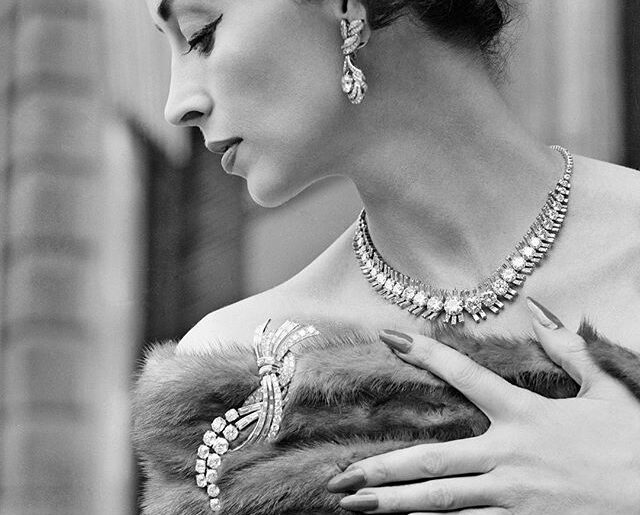
Jewellery often reflected the same balance between sophistication and practicality. Brooches, earrings, costume jewellery, and small decorative accessories could bring personality to relatively simple outfits.
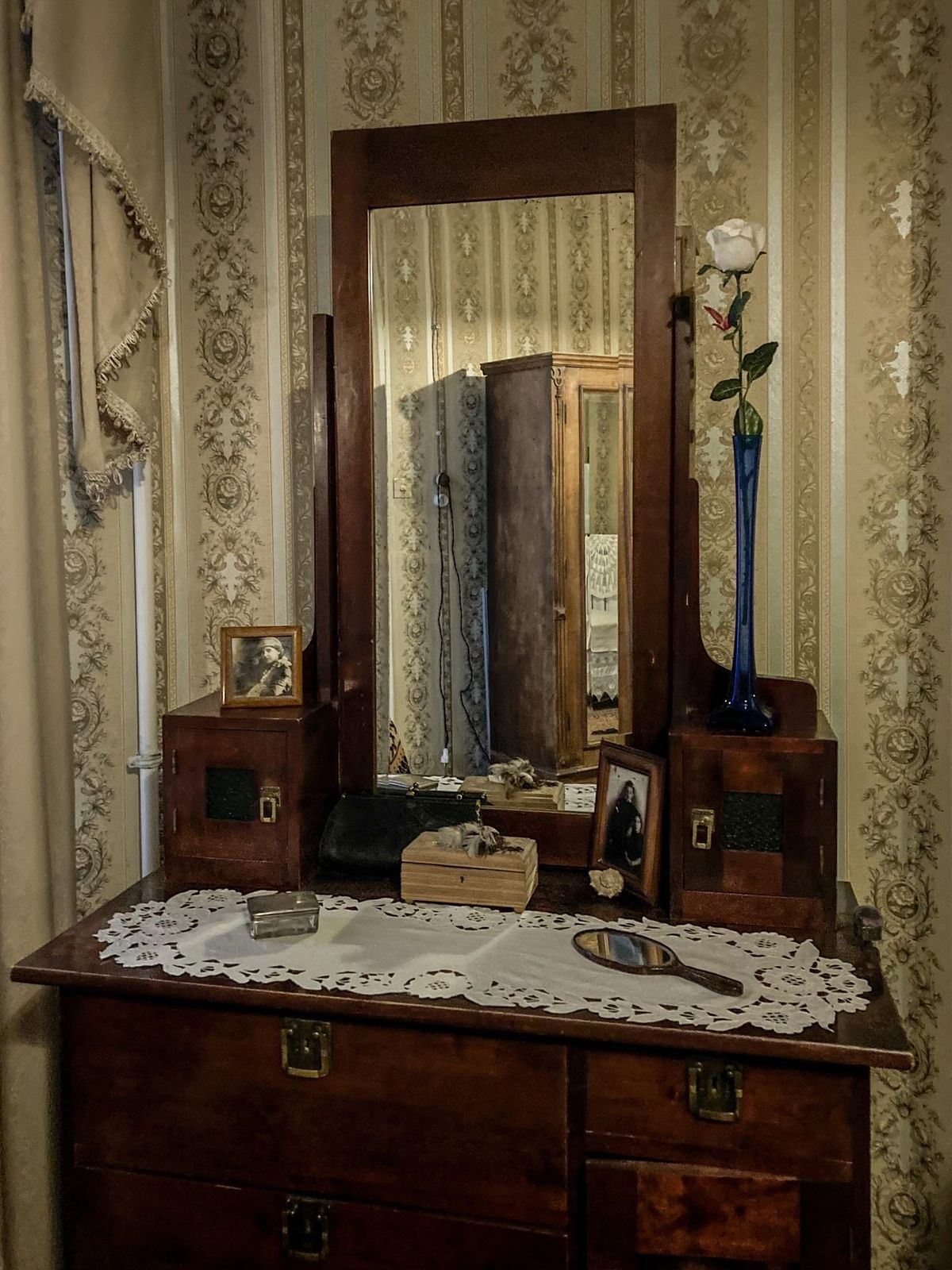
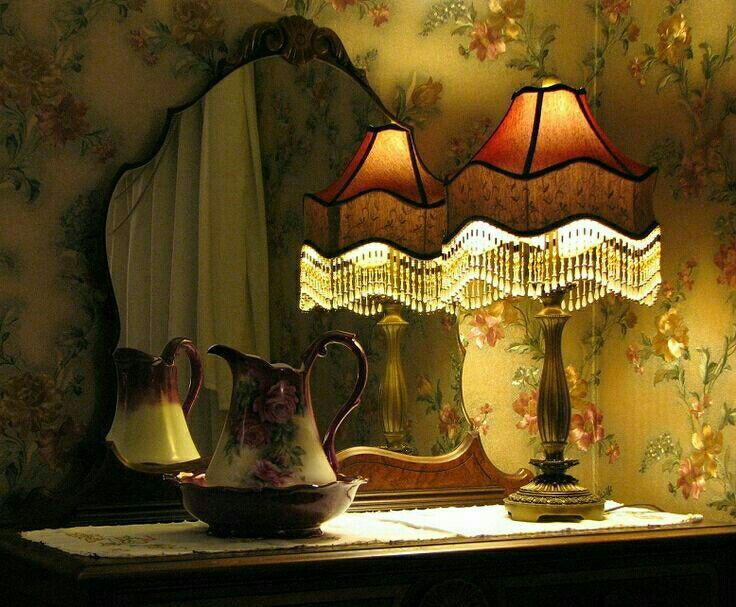
The enduring charm of 1940s design lies in its attention to form. Whether in a tailored jacket, a vintage lamp, or a carefully arranged dressing table, the decade reminds us that elegance can emerge from thoughtful choices rather than excess.
Everyday Life: Resilience, Resourcefulness, and Change
To understand the 1940s, it is impossible to separate its cultural achievements from the historical events that shaped them. The Second World War affected millions of lives, changing economies, communities, family structures, and the experience of everyday life.
In countries directly affected by the conflict, food, clothing, and other necessities could be rationed or difficult to obtain. People repaired garments, reused materials, shared resources, and found practical ways to maintain a sense of normality.
Women took on new responsibilities in workplaces, factories, transport, agriculture, and other areas of public life. Their experiences varied significantly across countries and social circumstances, but the decade challenged established ideas about women’s work and independence.
The end of the war brought relief and celebration, but it did not immediately resolve every hardship. Many communities faced shortages, displacement, economic reconstruction, and the difficult task of rebuilding lives.
Fashion and popular culture reflected this transition. Early forties styles often prioritised function and durability, while later designs expressed a renewed appetite for beauty and abundance.
This contrast helps explain why the decade’s aesthetic remains so compelling. The elegance of the 1940s was not created in isolation from reality; it developed alongside extraordinary challenges and changing expectations.
Why the 1940s Still Inspire Us
The appeal of the 1940s lies in its remarkable range of styles and emotions. It was a decade of practical clothing and extravagant couture, intimate love stories and dark mysteries, lively swing music and experimental jazz.
Its fashion offers a lesson in making thoughtful choices. Wartime clothing demonstrates the creativity of working within limitations, while post-war couture reveals the expressive power of shape, fabric, and proportion.
Classic cinema continues to captivate audiences because its visual language is so distinctive. The dramatic lighting of film noir, the elegance of a perfectly tailored suit, and the romance of a black-and-white close-up still feel powerful today.
The decade also reminds us that style is closely connected to history. What people wear, listen to, and watch often reflects the circumstances in which they live. The 1940s are a particularly striking example of how culture can adapt while retaining its capacity to inspire.
Today, vintage enthusiasts continue to draw on the era’s silhouettes, hairstyles, films, and music. Some are attracted to its glamour, others to its practicality, and many to the contrast between the two.
Perhaps that is the secret of its enduring appeal: the 1940s never belonged to a single mood. They contained restraint and extravagance, uncertainty and hope, realism and fantasy.
The 1940s remind us that elegance is not merely a matter of appearance. It is also the art of adapting, enduring, and finding beauty in the midst of change.
Discover the next chapter of vintage history — [Explore the 1950s →]