
The 1950s: The Golden Age of Glamour, Rock ’n’ Roll, and Timeless Style
From the elegance of Christian Dior’s New Look to the rebellious spirit of rock ’n’ roll, the 1950s transformed fashion, cinema, music, and everyday life into a world of unforgettable contrasts.
The 1950s were a decade of transformation, optimism, and unmistakable style. Following the hardships of the Second World War, many parts of the world experienced a renewed desire for beauty, comfort, and a brighter future. Fashion became more expressive, Hollywood reached new heights of glamour, and popular music began to change the cultural landscape forever.
It was an era of full skirts, tailored suits, red lipstick, carefully styled hair, and elegant movie stars. Yet beneath the polished image of the decade, a new generation was beginning to challenge traditional expectations. Teenagers developed their own fashion identities, rock ’n’ roll captured the imagination of young audiences, and modern design introduced a fresh approach to everyday living.
The 1950s created a distinctive visual language that remains instantly recognisable today. From the sophistication of Audrey Hepburn to the rebellious image of James Dean, the decade offered different interpretations of style, individuality, and modern life.
Fashion: The Return of Feminine Elegance
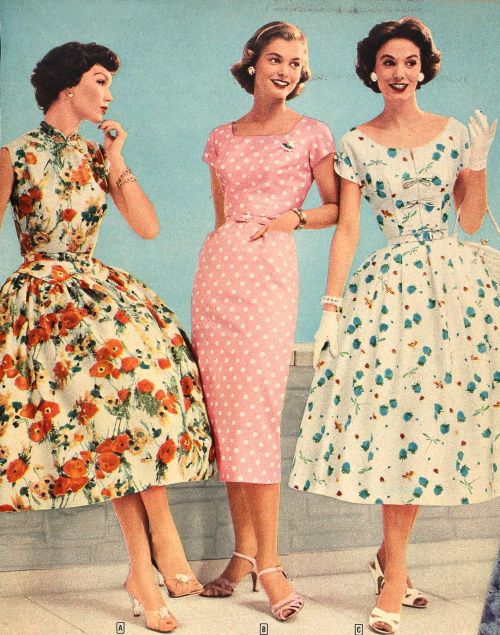
Fashion in the 1950s was defined by structured silhouettes, carefully chosen accessories, and an appreciation for craftsmanship. After years of wartime restrictions, designers embraced a more luxurious approach to clothing, celebrating shape, movement, and the art of dressing.
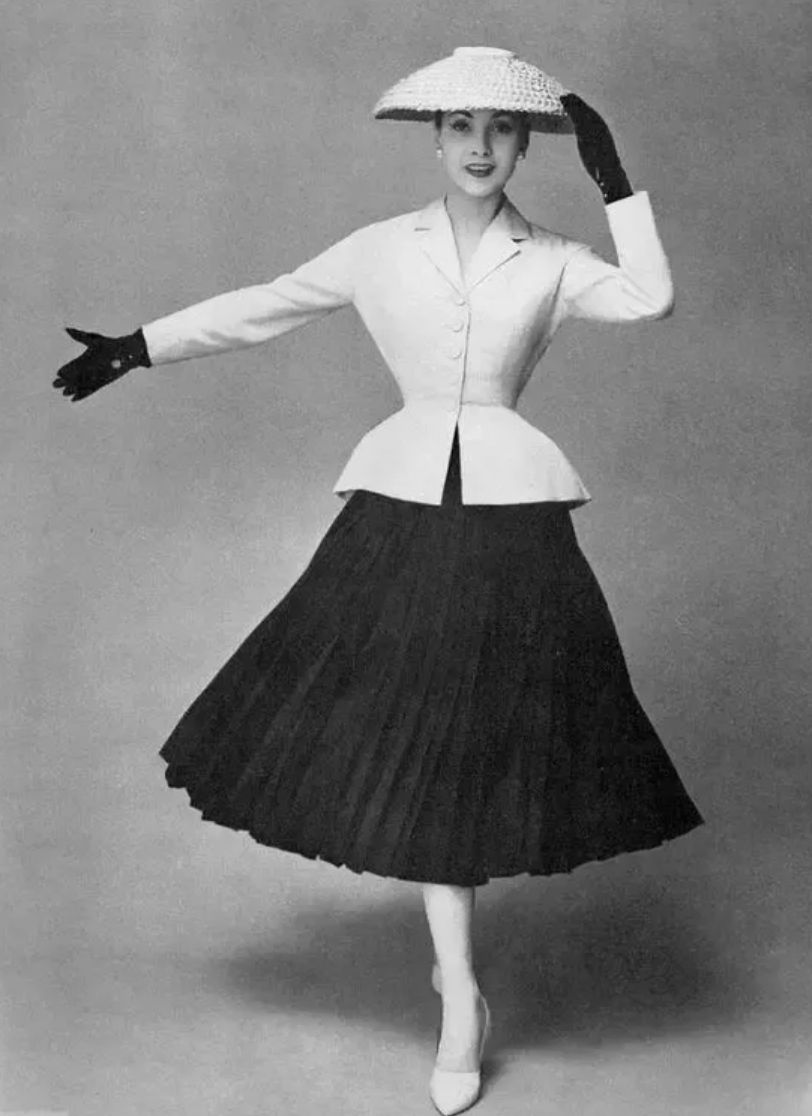
One of the most influential developments came in 1947, when Christian Dior introduced the collection that became known as the New Look. Its influence extended throughout the following decade, popularising rounded shoulders, fitted bodices, accentuated waists, and full skirts.
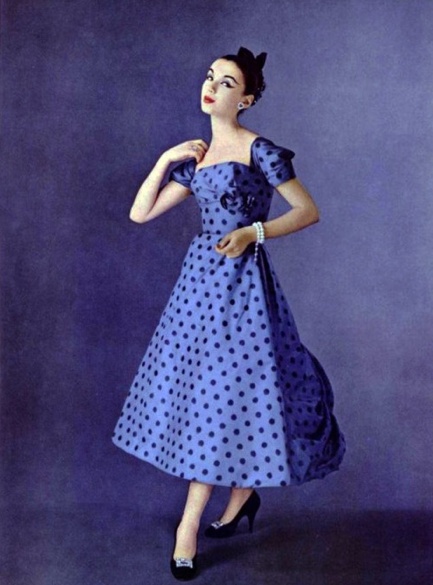
The hourglass silhouette became a defining image of feminine fashion. Circle skirts and petticoats created volume, while pencil skirts offered a more streamlined alternative. Shirtwaist dresses, fitted cardigans, and tailored jackets were popular choices for everyday wear.
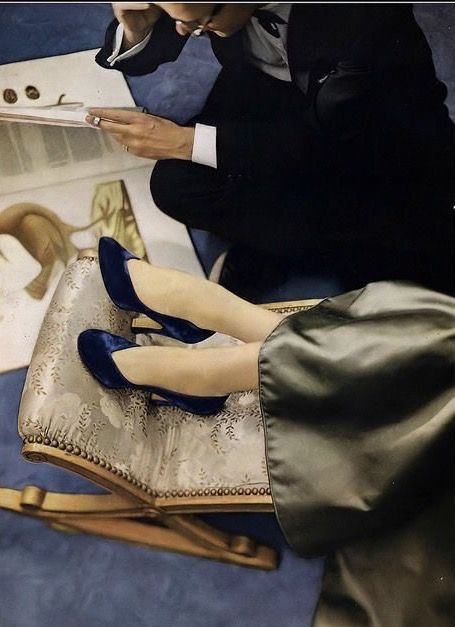
Accessories completed the look. Pearl necklaces, gloves, small structured handbags, silk scarves, and elegant pumps added sophistication to even the simplest outfit. Polka dots, gingham checks, florals, and gingham-inspired prints brought a playful quality to daytime fashion.
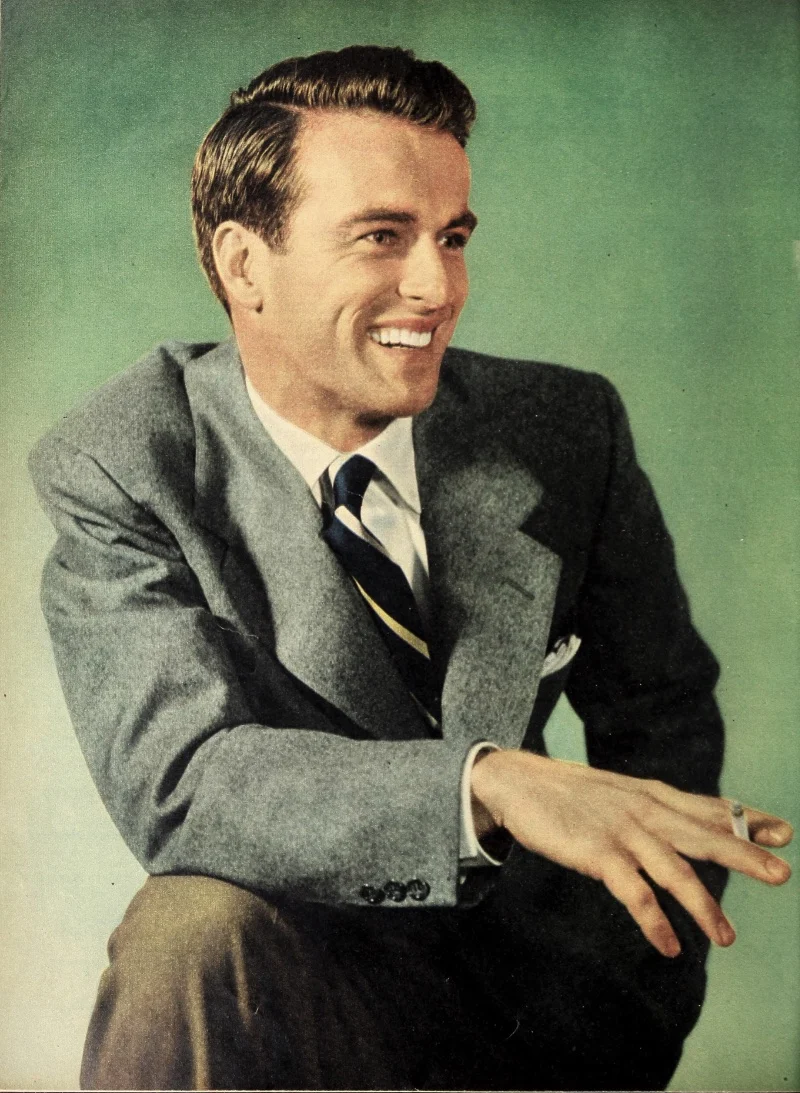
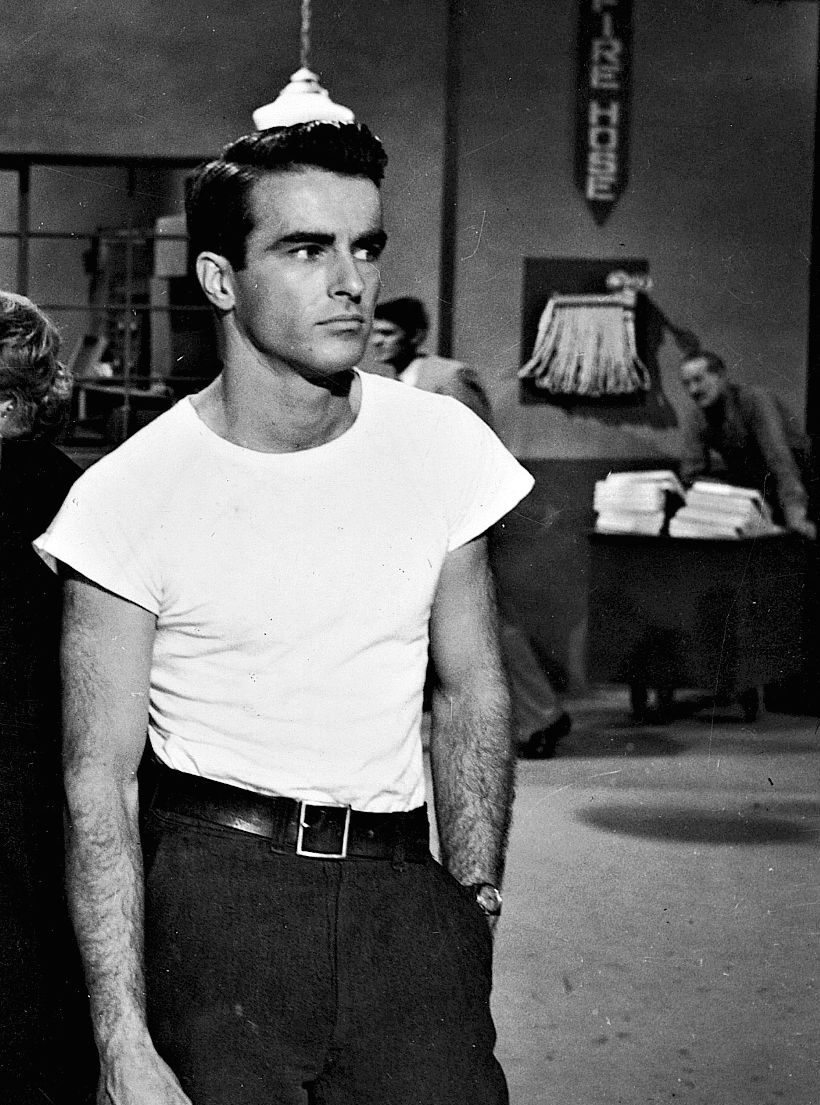
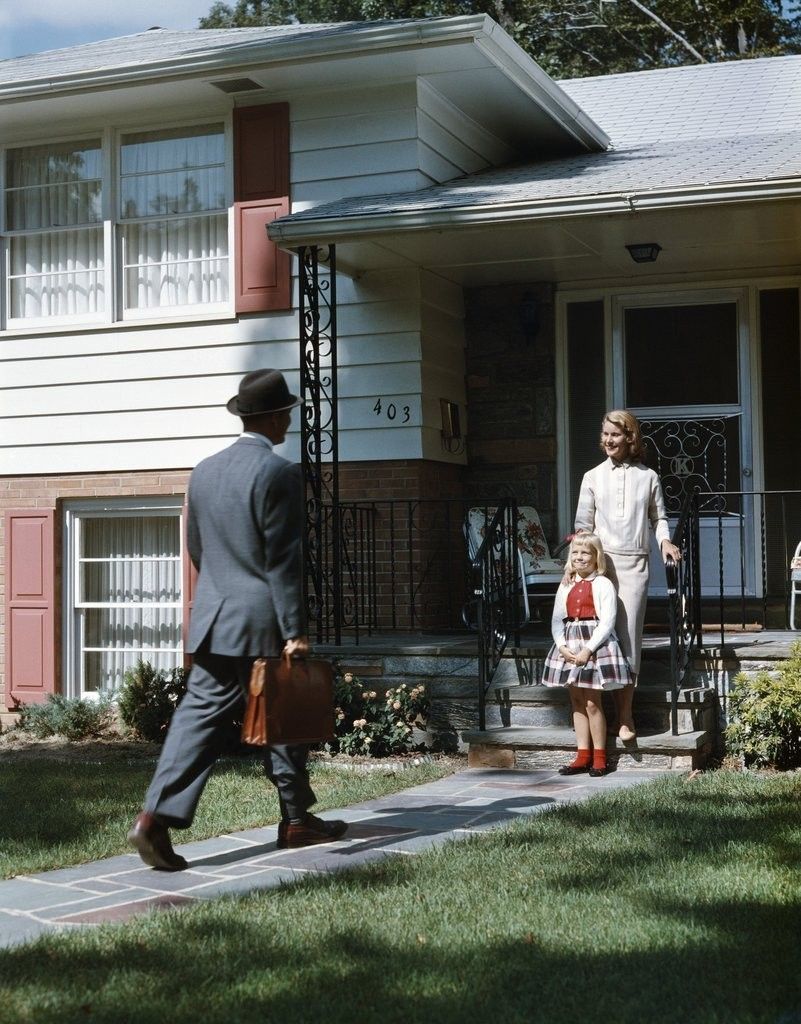
Men’s fashion combined traditional tailoring with increasingly relaxed styles. Well-fitted suits, narrow ties, crisp shirts, and polished leather shoes remained wardrobe essentials, while denim jeans, casual jackets, and simple T-shirts became associated with a younger generation.
Fashion magazines and Hollywood films helped spread these trends internationally. However, access to fashionable clothing varied considerably according to income, location, and personal circumstances.
The defining quality of 1950s fashion was its attention to silhouette. Whether expressed through an elaborate evening gown or a simple cotton dress, the decade demonstrated how proportion, fit, and detail could transform an outfit.
Hollywood: The Icons Who Defined an Era
The 1950s were a remarkable period for cinema. Hollywood offered audiences colourful musicals, romantic comedies, dramatic performances, and suspenseful thrillers that continue to influence filmmaking today.
Marilyn Monroe became one of the most recognisable stars of the decade, celebrated for her screen presence, platinum-blonde hair, and distinctive glamour. Audrey Hepburn represented a different ideal of elegance, with her graceful manner, understated wardrobe, and refined personal style.
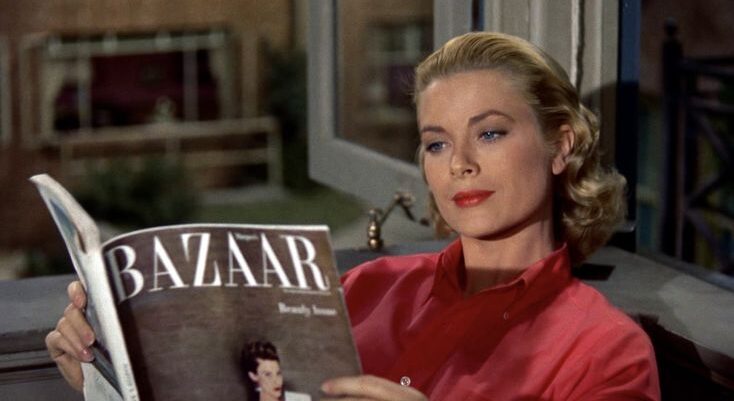
Grace Kelly embodied sophistication, while Elizabeth Taylor captivated audiences with her striking appearance and powerful performances. Meanwhile, James Dean and Marlon Brando became symbols of a more rebellious form of masculinity, reflecting the growing cultural influence of younger generations.
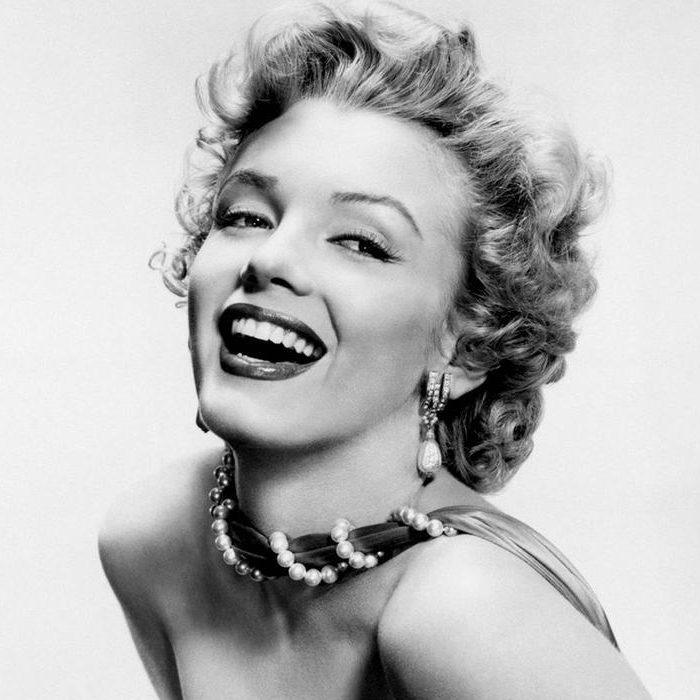
Marilyn Monroe
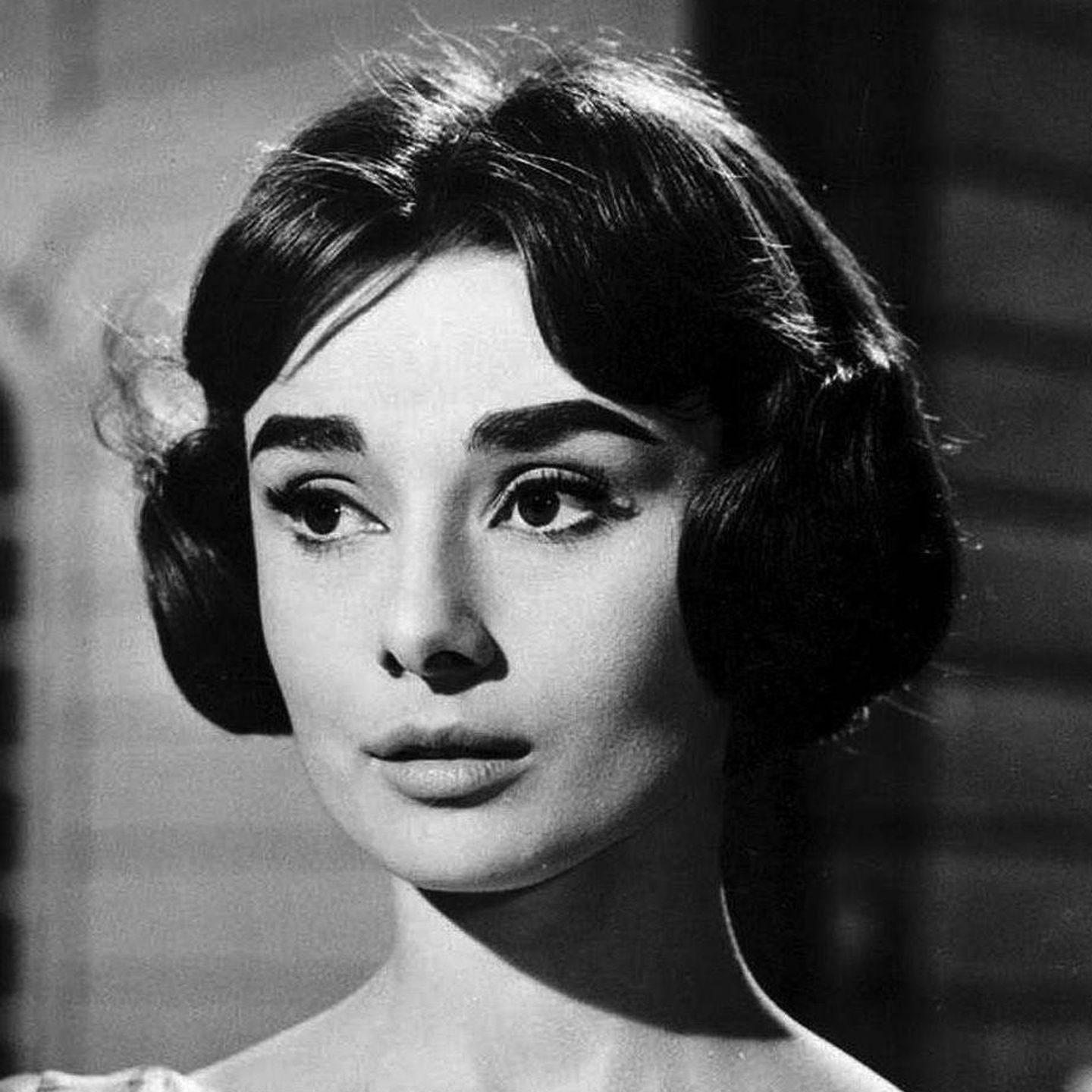
Audrey Hepburn
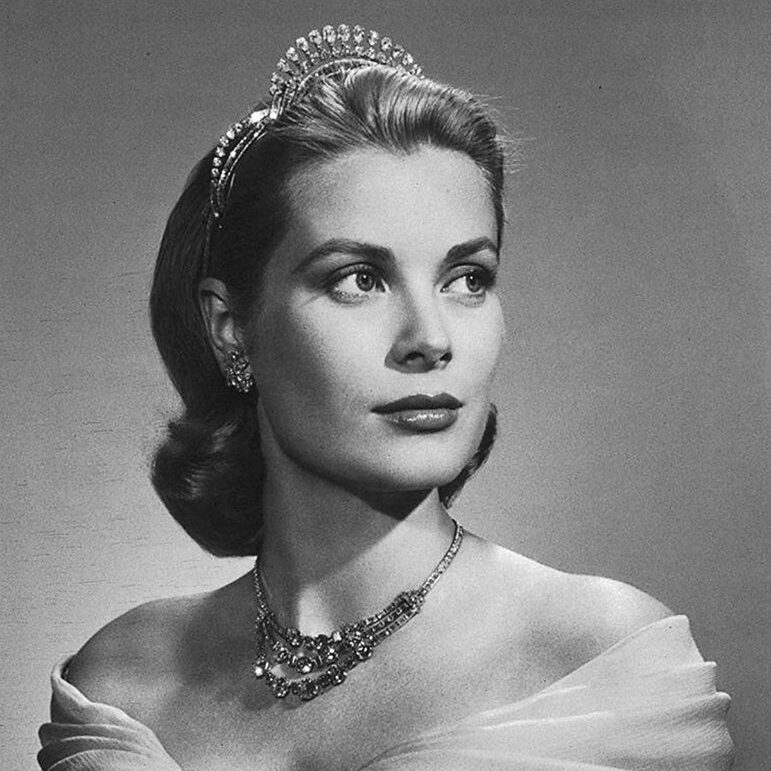
Grace Kelly
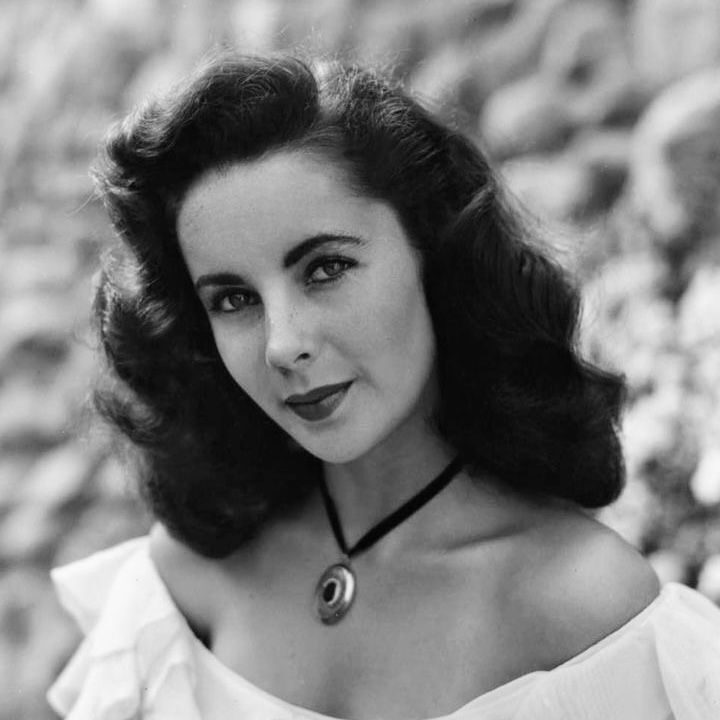
Elizabeth Taylor
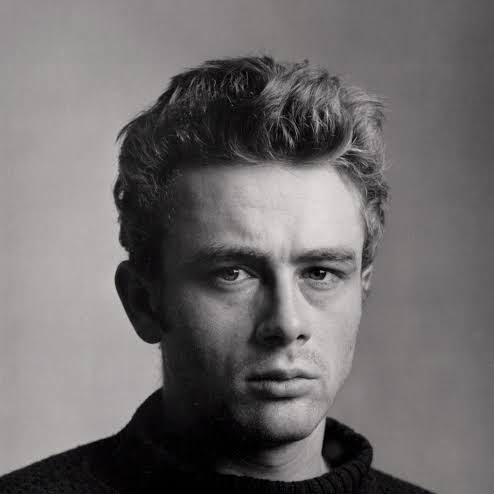
James Dean
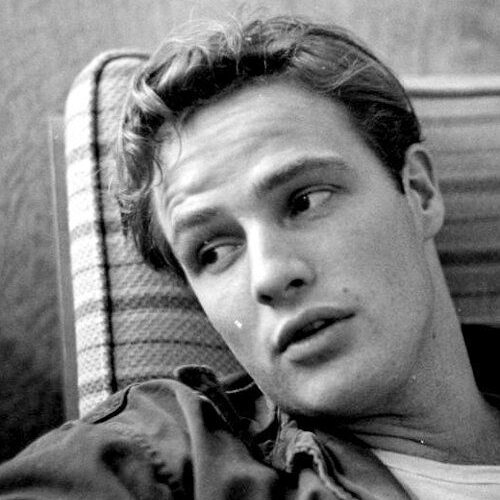
Marlon Brando
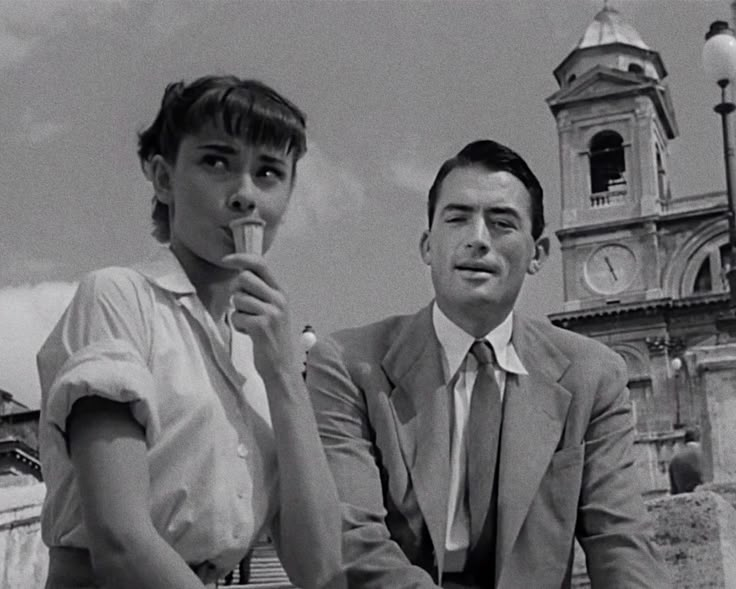
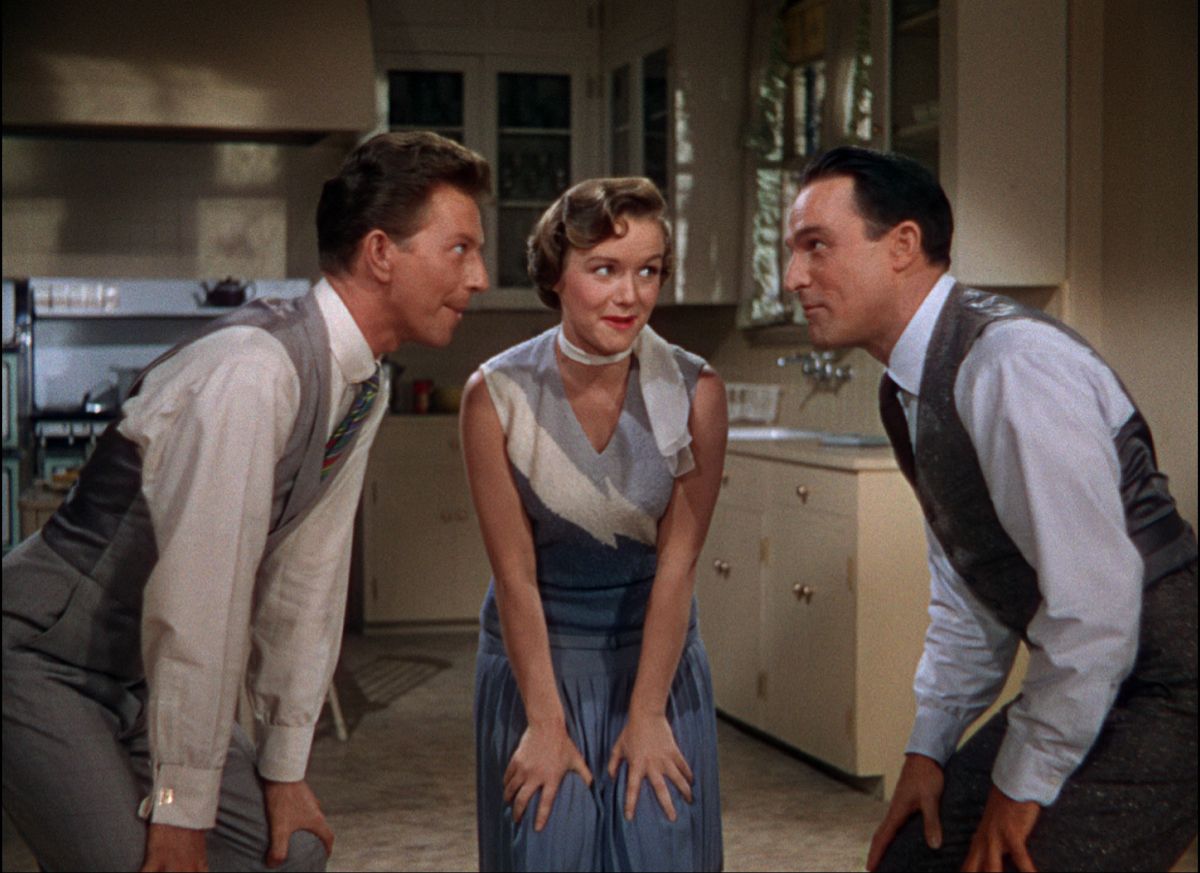
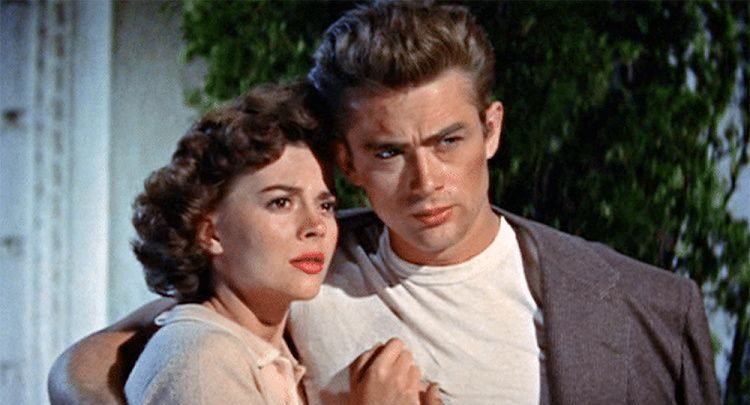
The films of the decade were equally memorable. Roman Holiday (1953) introduced audiences to Hepburn in one of her most beloved roles, while Singin’ in the Rain (1952) celebrated the magic of Hollywood musicals. Alfred Hitchcock’s Rear Window (1954) demonstrated the director’s extraordinary ability to create suspense, and Rebel Without a Cause (1955) explored the emotional struggles of American youth.
Other notable films included A Streetcar Named Desire (1951), All About Eve (1950), and Some Like It Hot (1959).
Colour cinema contributed to the decade’s distinctive visual appeal. Rich costumes, carefully designed sets, and expressive lighting created images that felt both luxurious and immersive. Film stars became international fashion references, influencing hairstyles, makeup, clothing, and photography.
Hollywood offered more than entertainment. It created a world of aspiration and fantasy, allowing audiences to experience romance, adventure, and glamour through the silver screen.
Beauty and Hairstyles: The Perfectly Polished Look
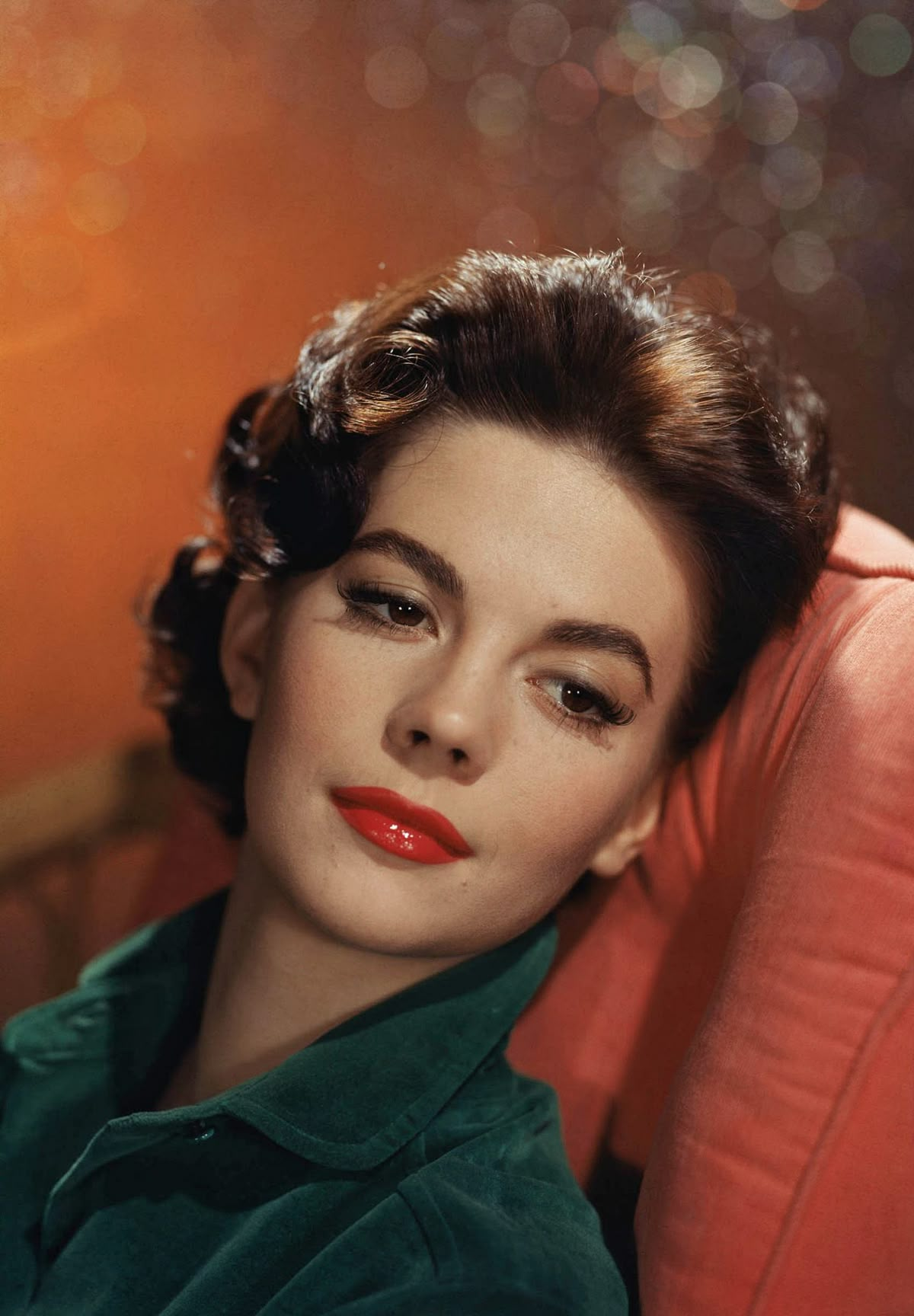
Beauty in the 1950s was associated with precision, femininity, and carefully arranged details. Hairstyles often featured volume and structure, while makeup emphasised defined eyes, smooth-looking skin, and expressive lips.
Soft curls, sculpted waves, short poodle cuts, and elegant updos were among the most recognisable hairstyles of the era. Hair rollers helped create lasting volume, while carefully arranged fringes and curls framed the face.
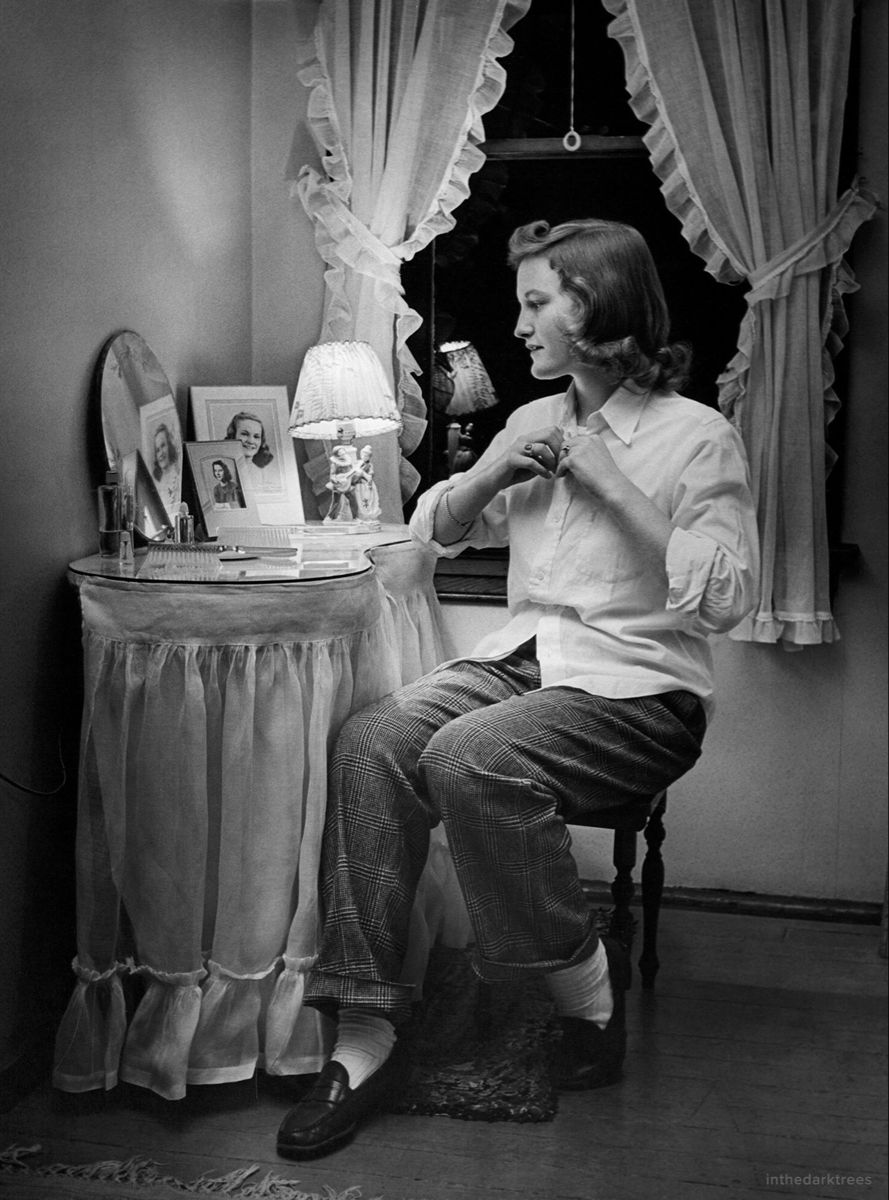
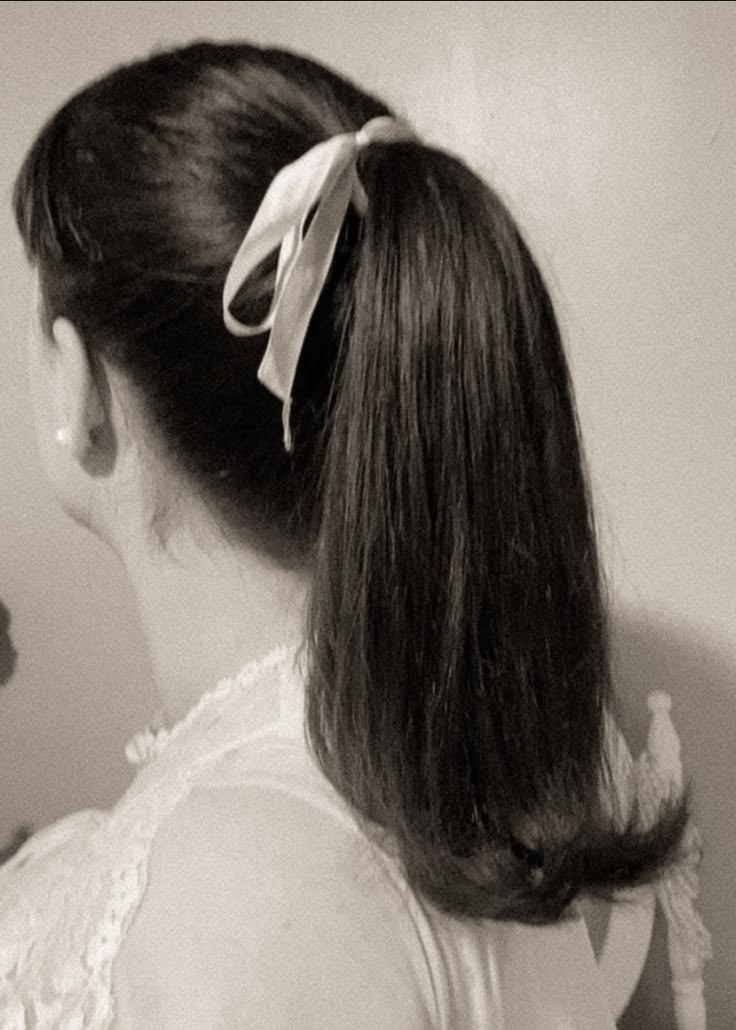
The ponytail became particularly popular among younger women. Paired with a fitted sweater, a full skirt, or rolled-up jeans, it offered a more casual and youthful interpretation of the decade’s style.
Makeup was equally distinctive. Winged eyeliner created an elongated shape around the eyes, eyebrows were carefully defined, and mascara emphasised the lashes. Red lipstick remained a classic choice, while pink and coral shades offered a softer alternative.
Hollywood stars popularised different versions of the decade’s beauty ideal. Marilyn Monroe was associated with platinum curls and glamorous makeup, Audrey Hepburn with emphasised eyes and understated elegance, and Elizabeth Taylor with dramatic features and dark hair.
Beauty routines varied, but the overall aesthetic favoured a finished, coordinated appearance. Even a relatively simple outfit could feel special when paired with polished hair, defined lips, and carefully chosen accessories.
The influence of 1950s beauty remains visible today. Vintage-inspired eyeliner, red lipstick, voluminous curls, and softly structured hairstyles continue to appear in fashion editorials, beauty campaigns, and everyday looks.
Music: The Revolution of Rock ’n’ Roll
The 1950s transformed popular music. Traditional pop, jazz, country, and rhythm and blues remained important, but rock ’n’ roll introduced a new energy that reshaped entertainment and youth culture.
The movement grew from several musical traditions, particularly African American rhythm and blues, gospel, and country music. Black musicians played a foundational role in developing its sound, although the music industry often gave white performers greater commercial visibility.
Elvis Presley became one of the most famous figures associated with rock ’n’ roll. His voice, stage presence, and distinctive appearance helped introduce the genre to a mass audience. Chuck Berry influenced generations of guitarists through his innovative playing and songwriting, while Little Richard became known for his powerful vocals and exuberant performances.
Buddy Holly helped shape the developing sound of rock music, and Jerry Lee Lewis brought an energetic piano style to the stage. Their performances challenged established ideas about how popular music should sound and look.
At the same time, Frank Sinatra and Nat King Cole continued to attract audiences with sophisticated vocal performances. Jazz also evolved, with musicians such as Miles Davis exploring new musical directions.
Radio, record players, jukeboxes, and television made music an increasingly important part of everyday life. Young people could discover new artists, share favourite songs, and use music to express their personalities.
Rock ’n’ roll was more than a musical trend. It became a symbol of changing attitudes, generational independence, and the growing influence of youth culture.
Teenage Culture: A New Generation Finds Its Voice
One of the most significant cultural developments of the 1950s was the growing influence of teenagers as a distinct audience. Economic changes in some post-war societies, expanding consumer markets, and the popularity of music and cinema helped create a recognisable youth culture.
Clothing became an important expression of identity. Girls embraced full skirts, fitted cardigans, ponytails, saddle shoes, and colourful accessories. Boys increasingly adopted denim jeans, white T-shirts, leather jackets, and casual footwear.
Films helped popularise these styles. James Dean’s appearance in Rebel Without a Cause became associated with youthful discontent, while Marlon Brando’s role in The Wild One (1953) helped establish the leather jacket as a symbol of rebellion.
Not every teenager adopted the same look. Some preferred polished, conservative clothing, while others embraced the influence of rock ’n’ roll, motorcycling culture, or local youth movements.
The entertainment industry quickly recognised this emerging audience. Record companies marketed music towards younger listeners, magazines explored teenage fashion, and films increasingly addressed generational differences.
This cultural shift helped establish an idea that remains familiar today: fashion and music can communicate independence, belonging, and a sense of personal identity.
The teenage culture of the 1950s laid important foundations for the youth movements, musical revolutions, and changing social attitudes that would become even more visible during the 1960s.
Interior Design: The Charm of Mid-Century Modern
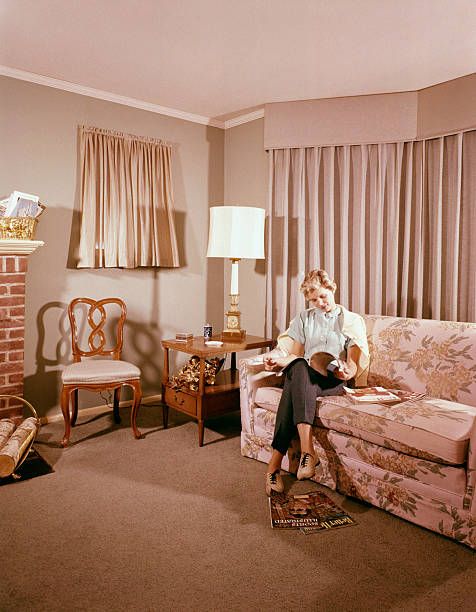
The 1950s were a defining period for modern interior design. In many homes, furniture, materials, and decorative objects reflected a growing interest in functionality, comfort, and contemporary living.
Mid-century modern design favoured clean lines, organic shapes, and practical forms. Furniture often featured tapered wooden legs, streamlined silhouettes, and combinations of timber, metal, glass, and moulded materials.
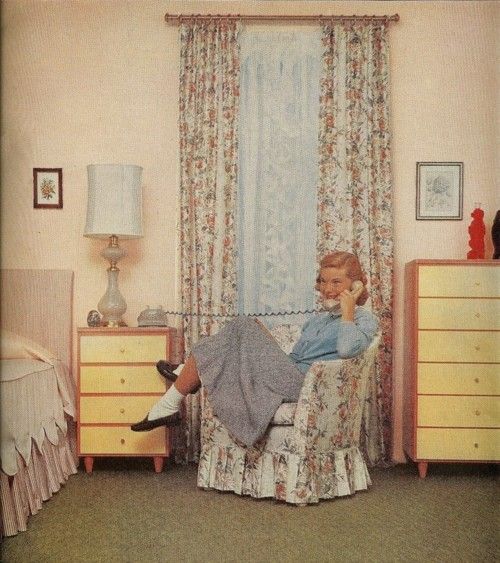
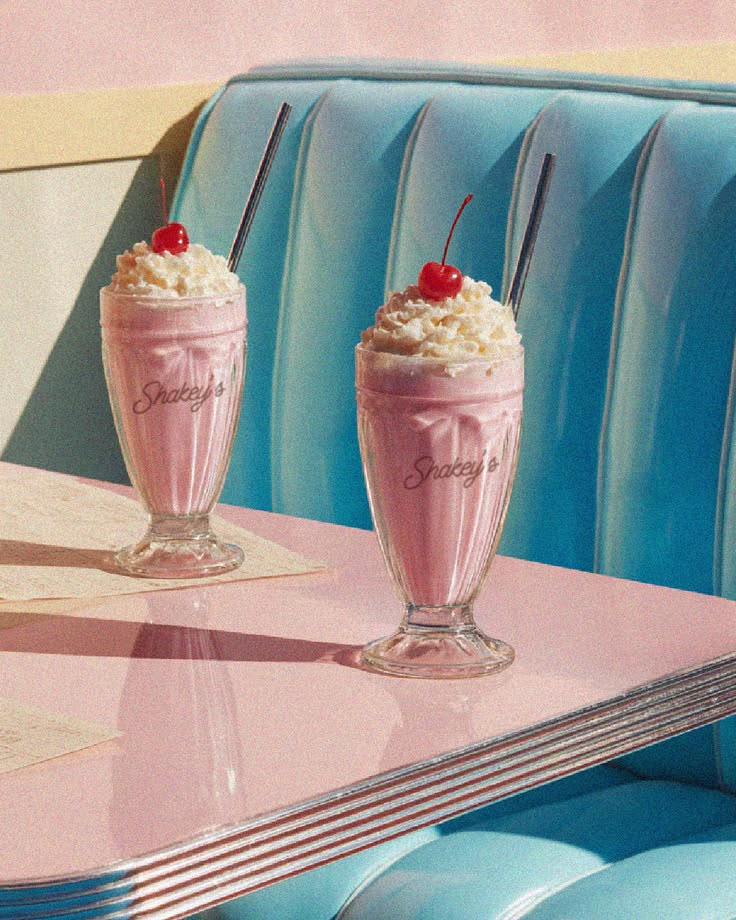
Colour was an important part of the aesthetic. Pastel pink, mint green, turquoise, butter yellow, and warm neutrals appeared alongside bolder combinations of red, black, and white.
Patterned wallpaper, graphic textiles, ceramic ornaments, and decorative clocks added personality to interiors. The overall effect balanced simplicity with playful details.
The kitchen became a particularly recognisable symbol of post-war modernity in the United States. Colourful appliances, practical cabinets, and coordinated accessories reflected the growing influence of consumer goods and new domestic technologies.
Outside the home, diners, hotels, and commercial spaces embraced neon signs, chrome details, geometric patterns, and sculptural furniture. These environments captured the energetic, forward-looking mood associated with the decade.
Although access to modern furnishings varied, the visual language of mid-century design spread internationally through magazines, exhibitions, architecture, and commercial products.
Today, its clean forms, warm materials, and functional approach remain popular. A vintage sideboard, a sculptural lamp, or a simple wooden chair can still bring the unmistakable atmosphere of the 1950s into a contemporary home.
Why the 1950s Still Inspire Us
The enduring appeal of the 1950s lies in the contrast between elegance and rebellion. The decade celebrated beautifully constructed clothing while giving rise to musical styles that challenged established expectations.
Its films remain popular because of their memorable performances, distinctive visual language, and stories about romance, ambition, insecurity, and independence. Its fashion continues to inspire designers who appreciate the relationship between silhouette, fabric, and proportion.
The decade also reminds us how strongly visual details can evoke the past. A red lipstick, a full skirt, a classic record, or a carefully designed chair can bring the atmosphere of an entire era into the present.
Modern fashion repeatedly revisits the silhouettes of the 1950s, while interior designers continue to draw inspiration from mid-century furniture. Musicians and filmmakers also return to the era’s sounds and images when exploring youth, freedom, and cultural change.
Perhaps the most fascinating quality of the decade is its variety. It offered the glamour of Hollywood, the refinement of couture, the comfort of casual clothing, and the rebellious energy of rock ’n’ roll.
Together, these influences created a cultural legacy that remains recognisable nearly seventy years later.
Discover the next chapter of vintage history — [Explore the 1960s →]