
The 1970s: Freedom, Bohemian Romance, and the Art of Self-Expression
The 1970s were a decade of transformation, individuality, and creative freedom. As the world moved beyond the optimism of the previous decade, fashion, music, cinema, and interior design began to reflect a new desire for authenticity. The polished elegance of earlier years gave way to a more relaxed, expressive aesthetic, where personal style mattered more than following a single set of rules.
From flowing maxi dresses and flared jeans to glamorous disco nights and the effortless sophistication of classic Hollywood influences, the 1970s offered a remarkable variety of styles. It was a time when bohemian romance met urban sophistication, natural beauty coexisted with extravagant glamour, and everyday clothing became a powerful expression of personality.
More than fifty years later, the decade continues to inspire designers, photographers, filmmakers, and vintage enthusiasts. Its distinctive combination of freedom, nostalgia, and individuality remains one of the most recognizable aesthetics in modern fashion.
Fashion: Bohemian Dreams and Everyday Freedom
Fashion in the 1970s was defined by diversity. Rather than following one dominant silhouette, people embraced a wide range of influences, from romantic bohemian clothing to glamorous eveningwear and sporty casual looks.
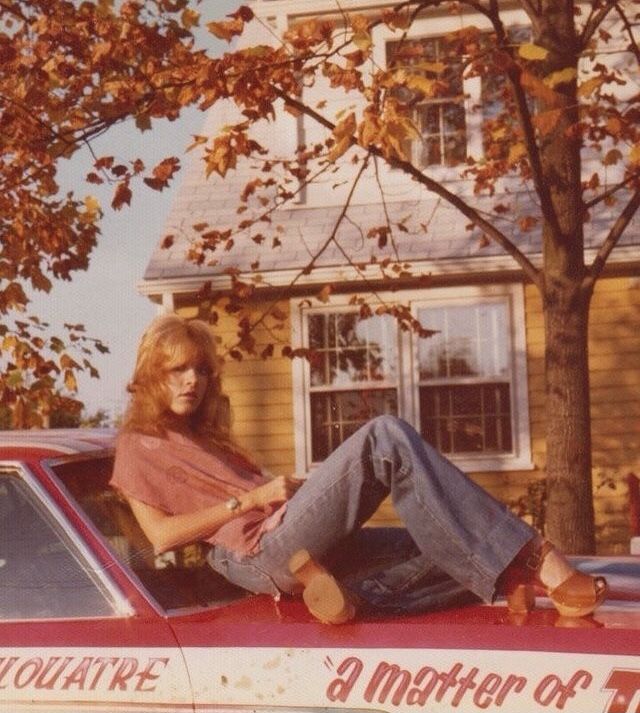
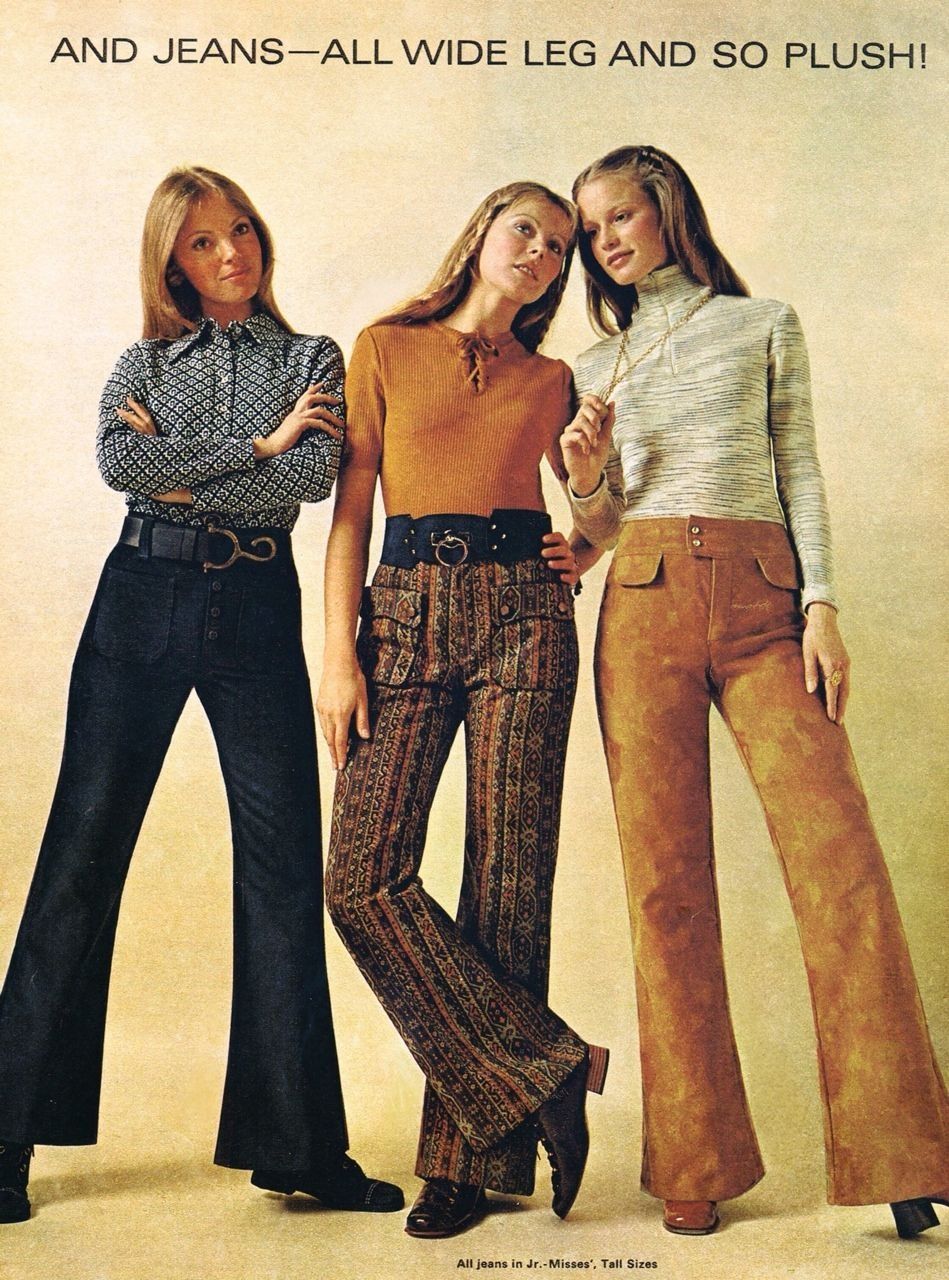
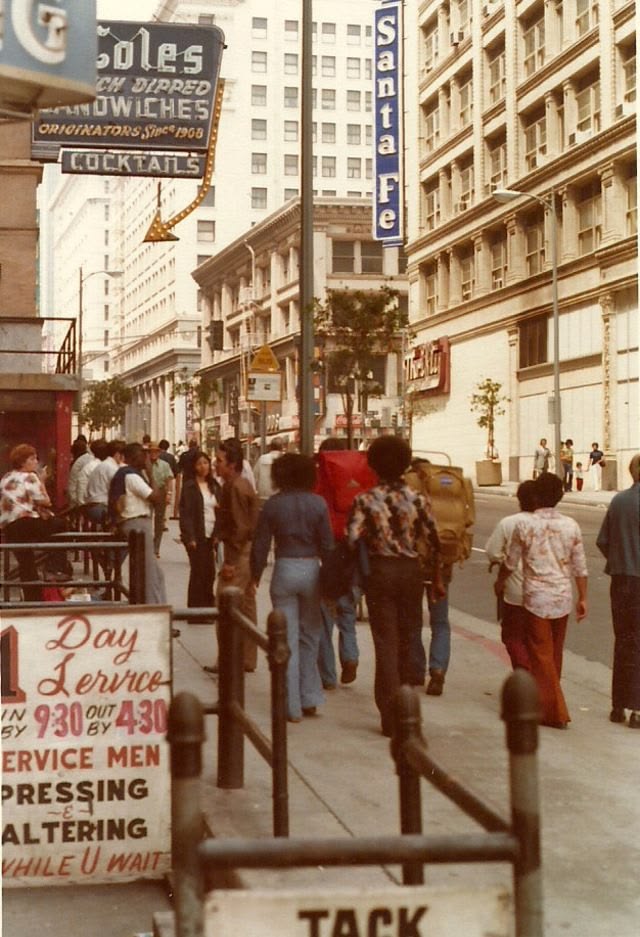
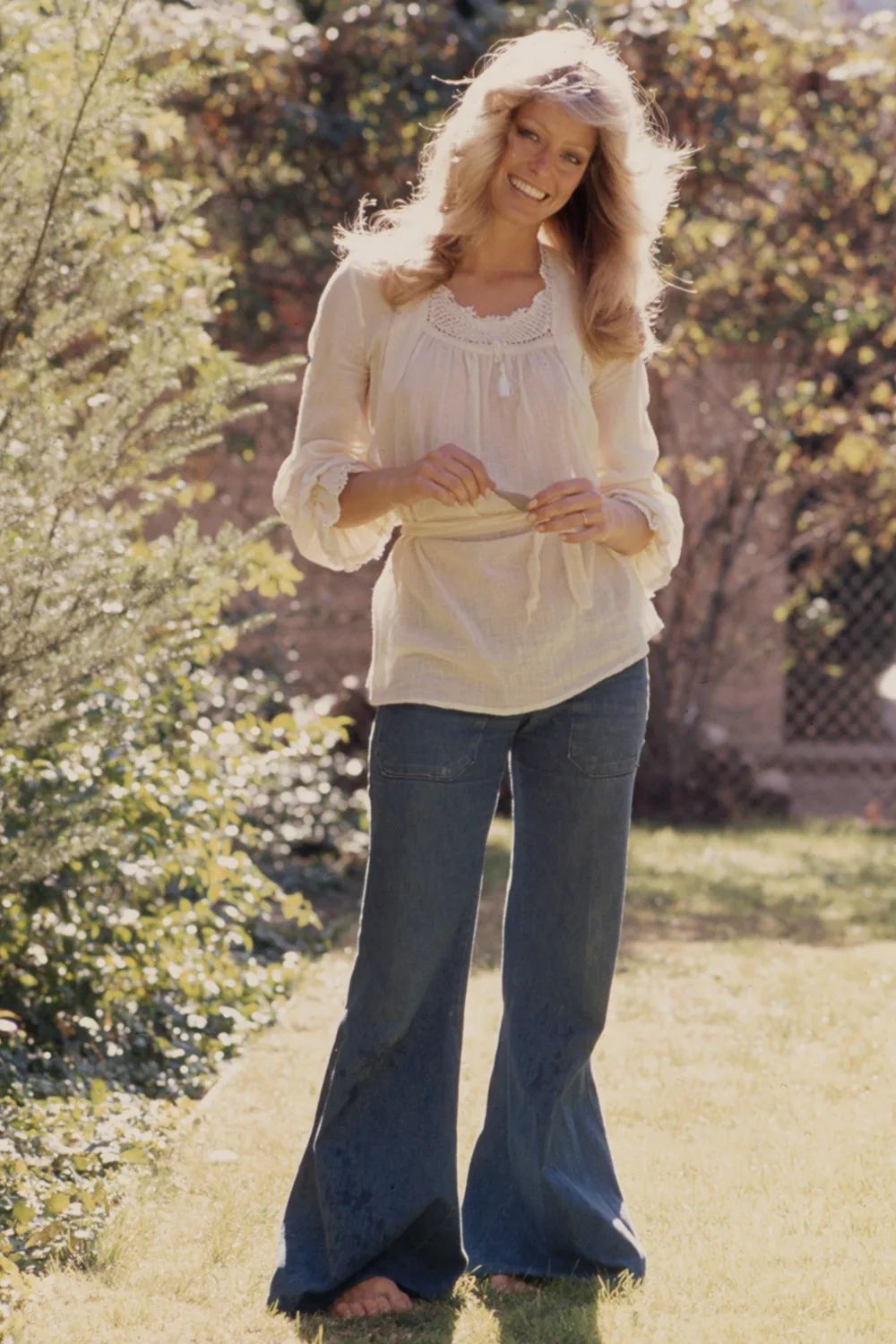
One of the decade’s most iconic trends was the flared trouser. Often paired with fitted shirts, patterned blouses, platform shoes, and wide belts, flared jeans became a symbol of youthful self-expression. Denim was no longer reserved for workwear; it became an essential part of everyday fashion.
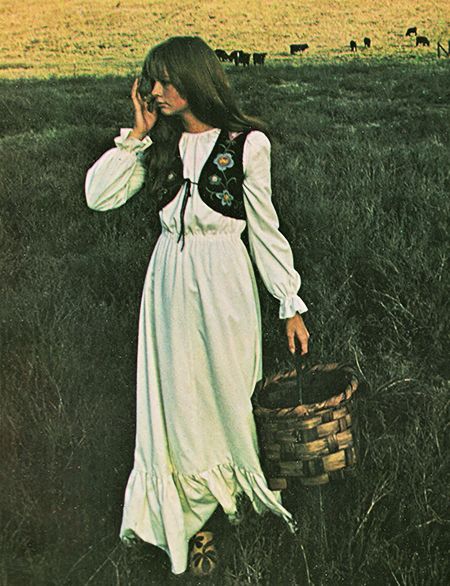
Bohemian style also flourished. Inspired by folk traditions, the counterculture movement, and a growing interest in natural living, this aesthetic featured flowing maxi dresses, embroidered blouses, suede jackets, fringed bags, crochet details, and earthy colors. Floral prints and soft, romantic fabrics created a carefree look that felt both nostalgic and modern.
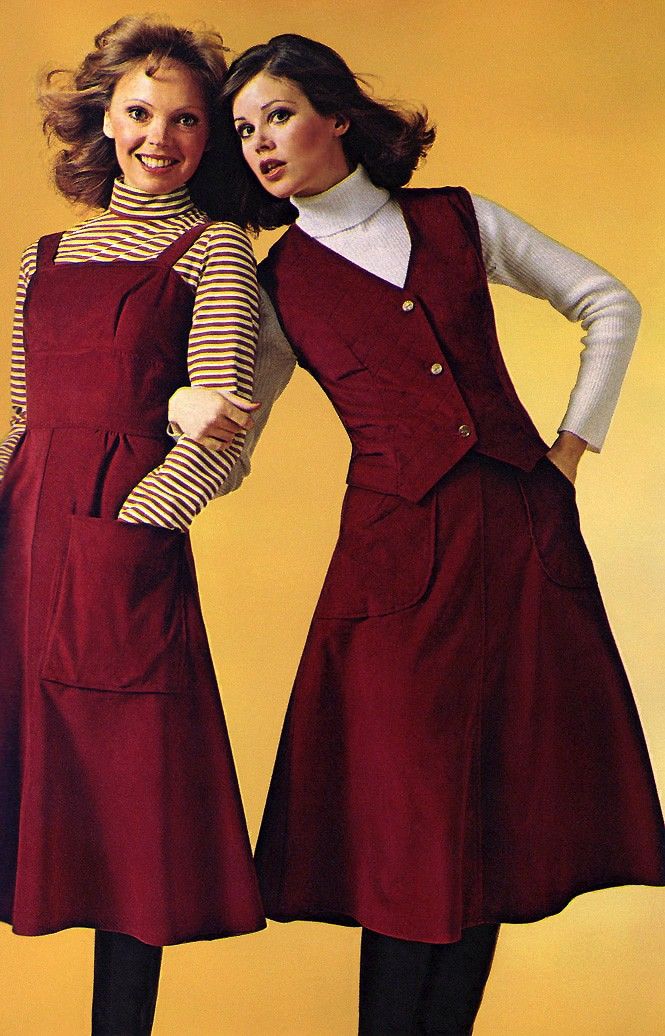
For those who preferred a more sophisticated appearance, the decade offered tailored suits, wide lapels, elegant blouses, and beautifully structured coats. The influence of designers such as Yves Saint Laurent helped make trousers and trouser suits an enduring part of women’s fashion. His iconic Le Smoking tuxedo suit, introduced in 1966, continued to influence the way women approached eveningwear throughout the following decade.
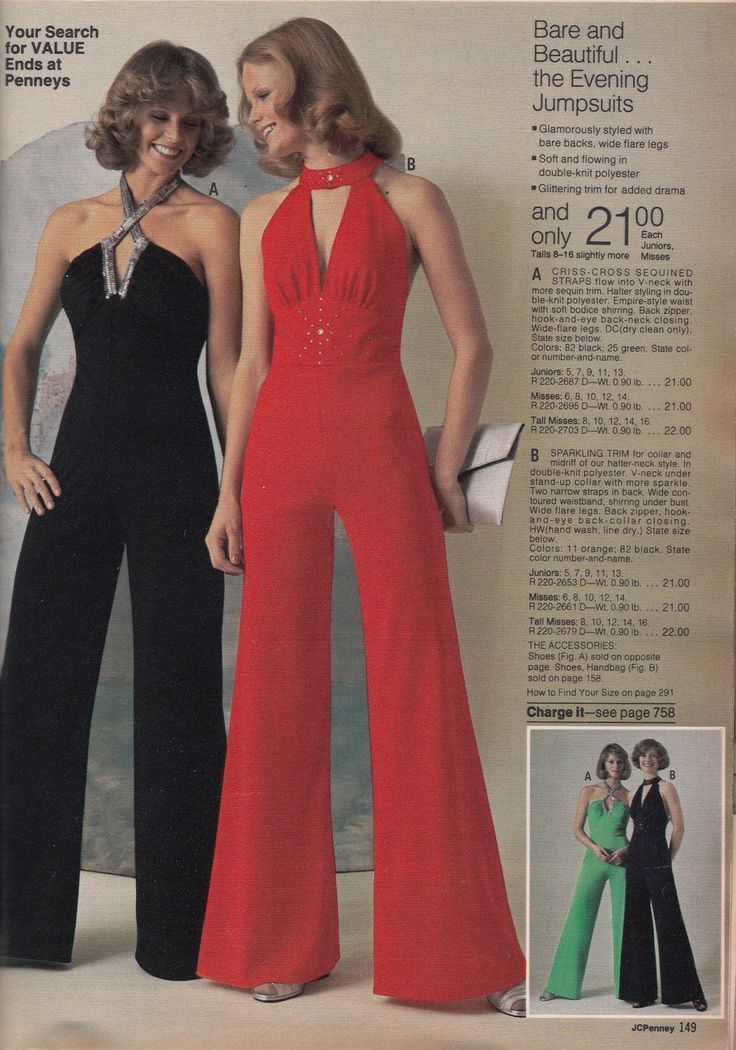
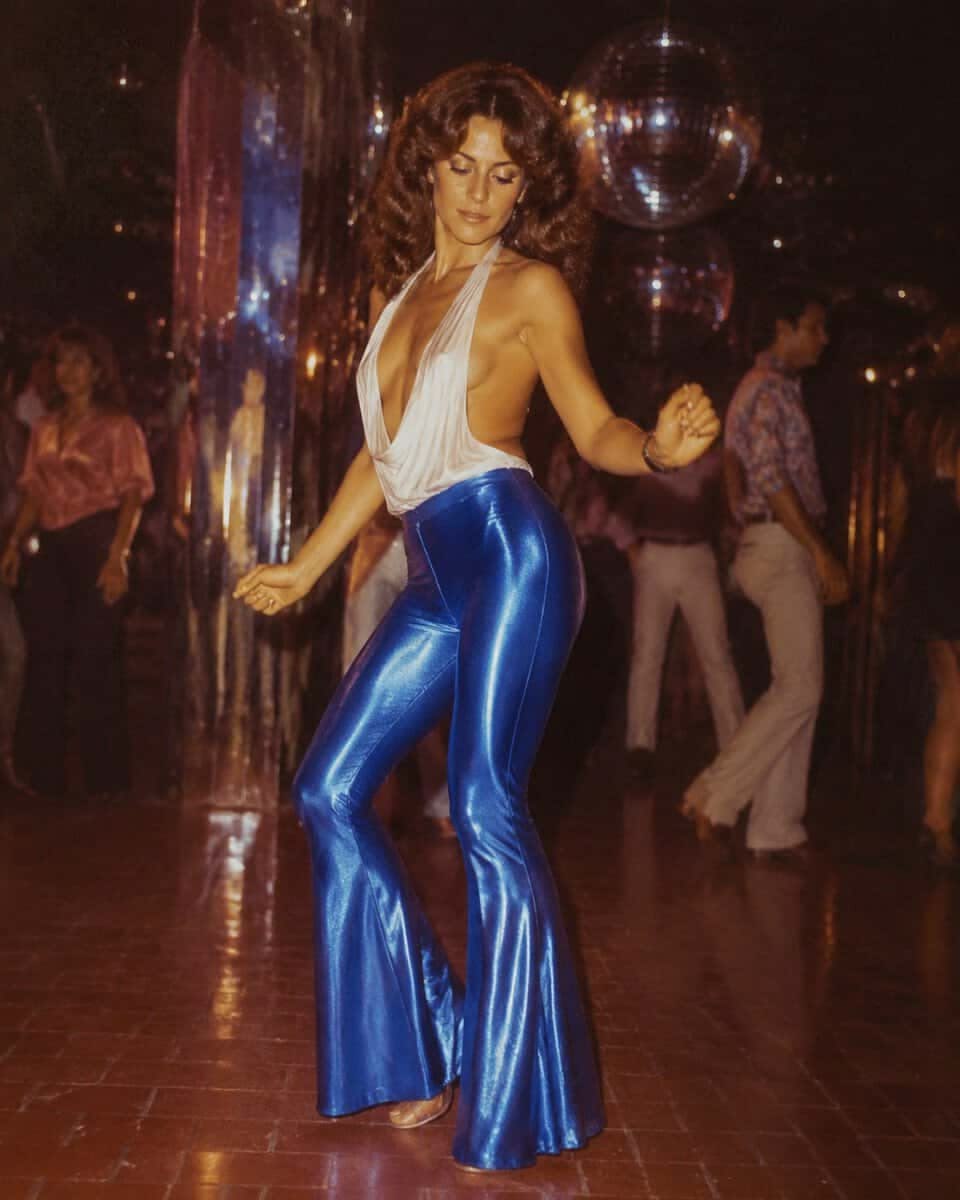
By the end of the 1970s, disco fashion had become impossible to ignore. Metallic fabrics, shimmering dresses, jumpsuits, halter necklines, and dramatic platform heels captured the excitement of nightlife. Fashion could be relaxed during the day and spectacular after dark.
The beauty of 1970s fashion lies in this freedom of choice. A woman could embrace a romantic floral dress one day, a tailored suit the next, and a glamorous satin outfit for an evening out.
Hollywood and Cinema: A New Kind of Glamour
The 1970s brought significant changes to cinema. Filmmakers increasingly explored complex characters, unconventional stories, and more realistic portrayals of everyday life. Alongside this new cinematic language, fashion and beauty remained powerful elements of visual storytelling.
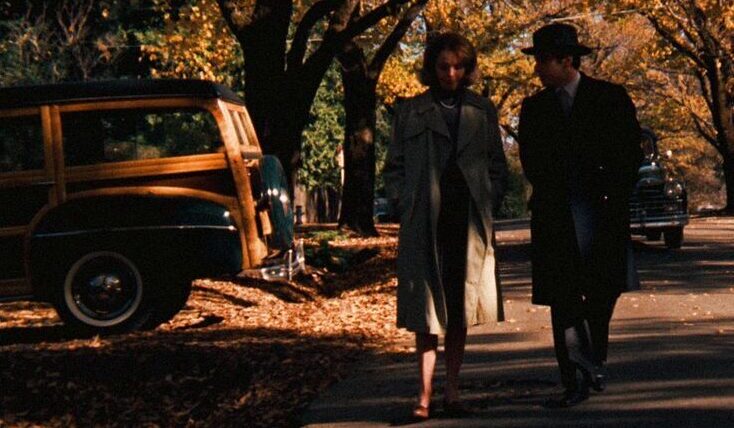
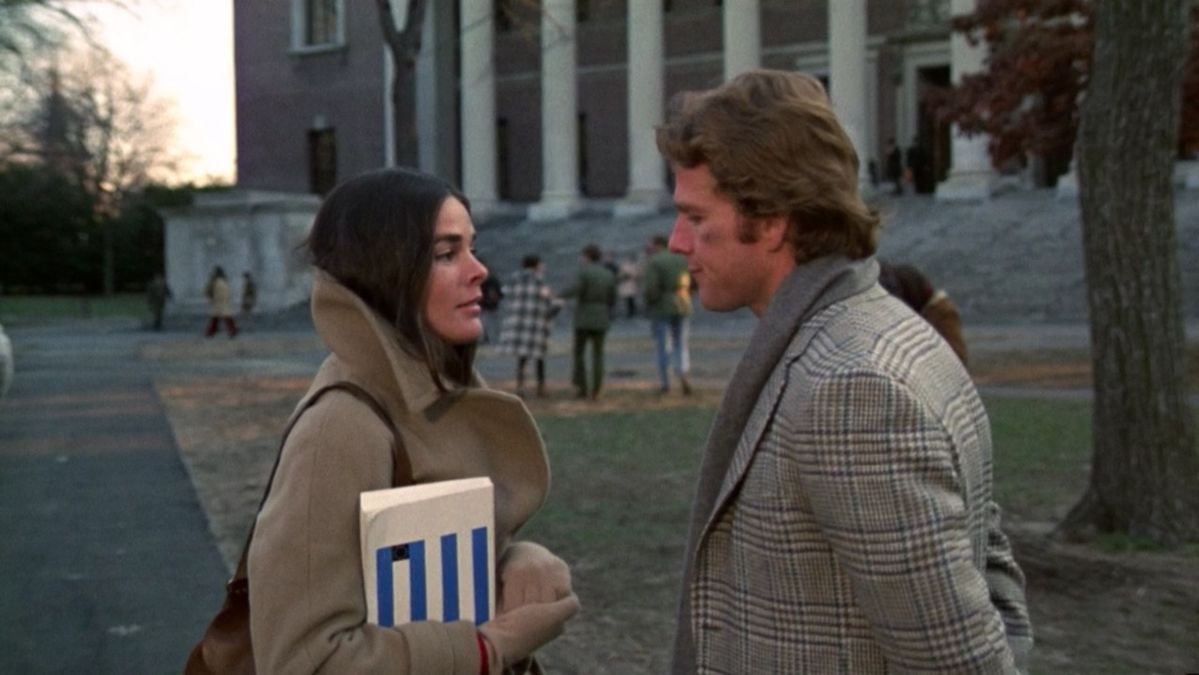
Films such as The Godfather (1972), Love Story (1970), and Annie Hall (1977) captured different sides of the decade’s cinematic identity. While The Godfather presented a world of power, family loyalty, and timeless masculine tailoring, Love Story became one of the most memorable romantic dramas of the era. Starring Ali MacGraw and Ryan O’Neal, the film told a moving story of love that transcended differences in social background. Its understated costumes, natural beauty, and tender atmosphere reflected a softer, more intimate side of 1970s style.
Ali MacGraw’s wardrobe in Love Story remains particularly memorable for its simplicity and understated elegance. Classic coats, knitted sweaters, scarves, and effortlessly styled hair created a look that felt both sophisticated and accessible. Rather than relying on extravagant glamour, her character embodied a natural, intellectual femininity that continues to inspire vintage fashion lovers.
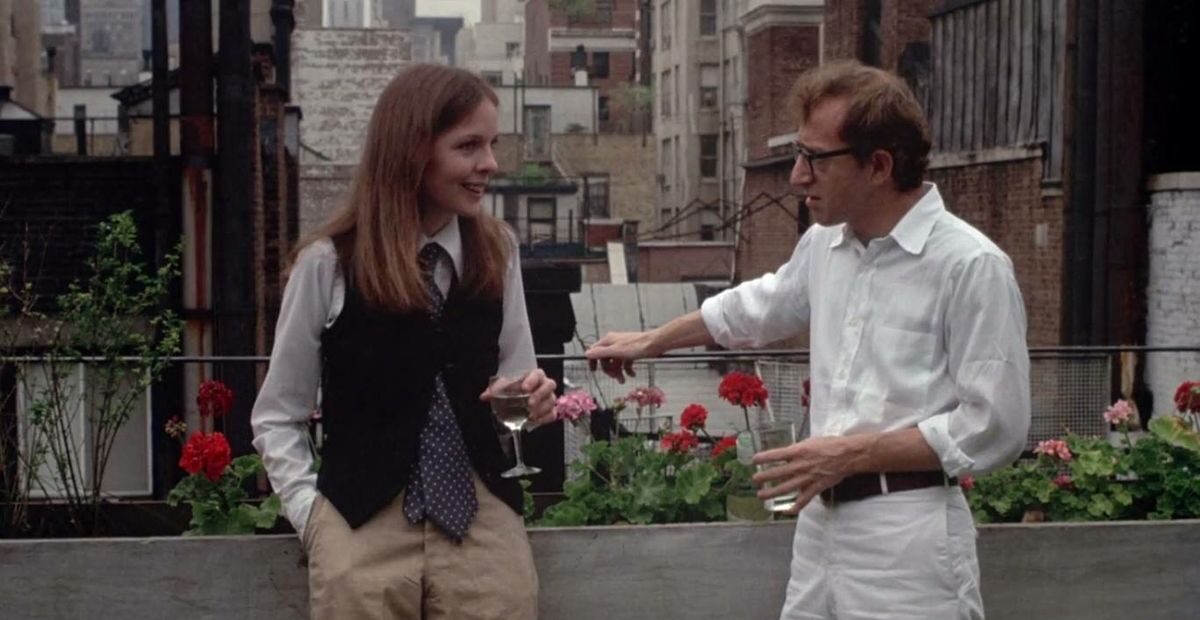
Annie Hall, starring Diane Keaton, offered a different but equally influential vision of style. Her character’s oversized jackets, waistcoats, wide-leg trousers, ties, and layered shirts challenged conventional ideas about feminine dressing. The look felt personal rather than polished, demonstrating that elegance did not always require a dress or a traditionally feminine silhouette.
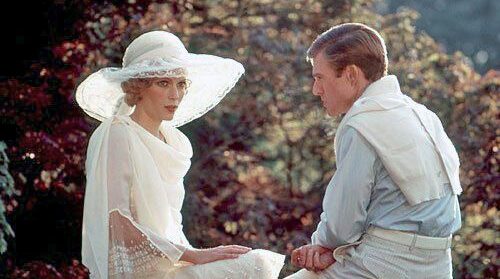
Meanwhile, The Great Gatsby (1974) revived interest in the glamour of the 1920s. Its luxurious costumes, beaded dresses, elegant suits, and romantic atmosphere demonstrated how historical fashion could return to contemporary culture through cinema.
Hollywood in the 1970s was not defined by a single ideal. It celebrated individuality, emotional storytelling, and the power of clothing to express character. From the romantic simplicity of Love Story to the unconventional sophistication of Annie Hall, cinema offered endless inspiration for the decade’s evolving sense of style.
Beauty and Hairstyles: Natural Elegance Meets Glamour
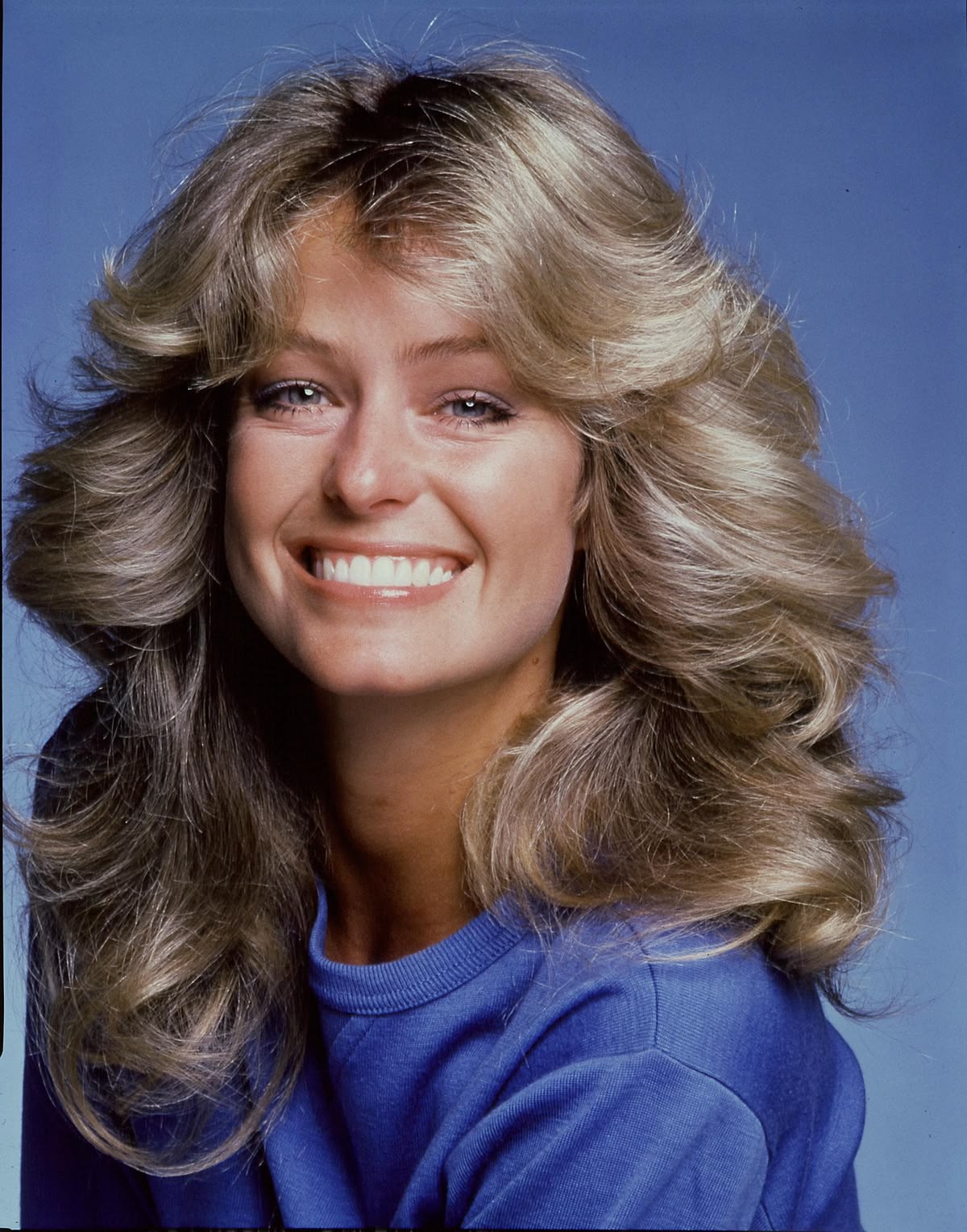
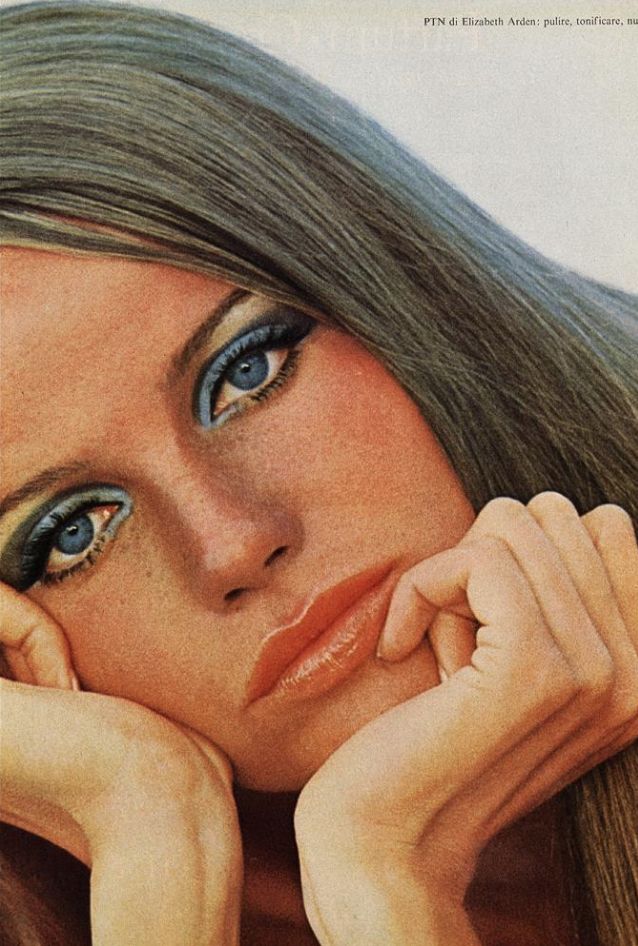
Beauty in the 1970s balanced natural simplicity with dramatic glamour. For everyday wear, women often chose soft makeup, warm eyeshadows, peach lipstick, and a natural-looking complexion. In the disco scene, however, shimmering eyeshadow, glossy lips, and luminous skin created a more striking appearance.
Hairstyles were equally expressive. Long hair with a center part, soft waves, and feathered layers became defining trends. Farrah Fawcett’s famous feathered hairstyle captured the decade’s relaxed yet polished glamour, while Afro hairstyles became powerful expressions of cultural pride and identity.
The 1970s encouraged women to experiment with beauty rather than follow a single ideal. Natural, romantic, and glamorous looks all had a place in the decade’s aesthetic.
Music: From Rock Anthems to Disco Nights
Music was central to the cultural identity of the 1970s. The decade brought together an extraordinary range of sounds, including classic rock, soul, funk, folk, punk, and disco. Each genre offered its own atmosphere and aesthetic.
Rock music continued to evolve through artists and bands such as David Bowie, Fleetwood Mac, Queen, and Led Zeppelin. David Bowie, in particular, blurred the boundaries between music, fashion, and performance. His changing personas, theatrical costumes, and experimental appearance made him an enduring symbol of artistic reinvention.
Folk and singer-songwriter music offered a more intimate alternative. Artists such as Carole King, Joni Mitchell, and James Taylor created songs that explored relationships, personal struggles, and the complexities of everyday life. Their music reflected the decade’s interest in authenticity and emotional honesty.
Disco became one of the most influential cultural movements of the late 1970s. With its rhythmic basslines, orchestral arrangements, glittering fashion, and energetic dance floors, disco transformed nightlife into a world of glamour and escapism. Artists such as Donna Summer, the Bee Gees, and Gloria Gaynor became closely associated with the sound.
At the same time, punk emerged as a deliberate rejection of polished mainstream culture. Its ripped clothing, leather jackets, safety pins, and rebellious attitude created a stark contrast with disco’s shimmering sophistication. Bands such as the Sex Pistols and the Ramones helped establish punk as both a musical movement and a distinctive visual style.
The music of the 1970s was united by its diversity. It gave people different ways to express themselves, whether through dancing, political rebellion, romantic songwriting, or extravagant performance.
Youth Culture: Freedom and Individuality
The social changes of the 1960s continued to shape the 1970s. The women’s liberation movement challenged traditional expectations, while trousers, tailored suits, and more relaxed clothing offered women new ways to express independence.
Youth culture became increasingly diverse. Some embraced bohemian fashion, others preferred punk’s rebellious spirit, while disco lovers found glamour and freedom on the dance floor. Music and clothing became powerful expressions of identity and personal values.
The decade was not without social and economic challenges, but its growing emphasis on self-expression helped transform fashion into something more personal.
Interior Design: Warm Colors and Eclectic Comfort
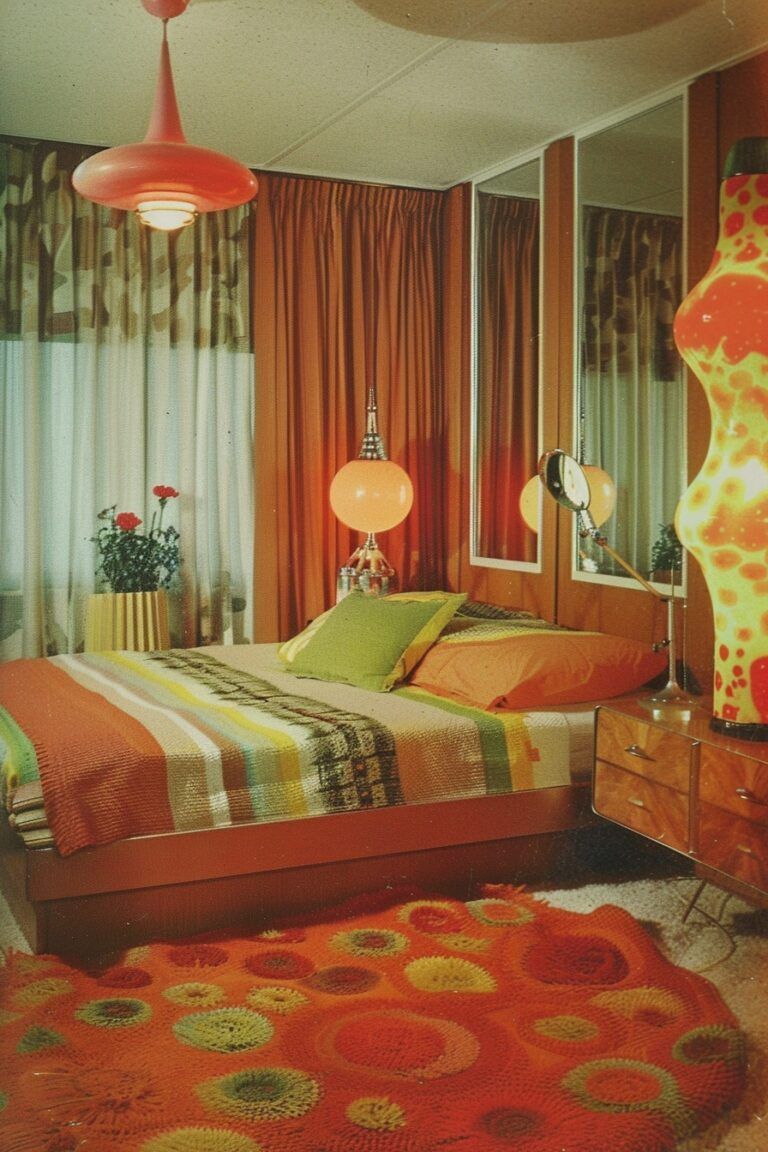
The interiors of the 1970s reflected the decade’s love of individuality. Compared with the clean lines and restrained palettes associated with some earlier modernist interiors, 1970s homes often embraced warmth, texture, and visual abundance.
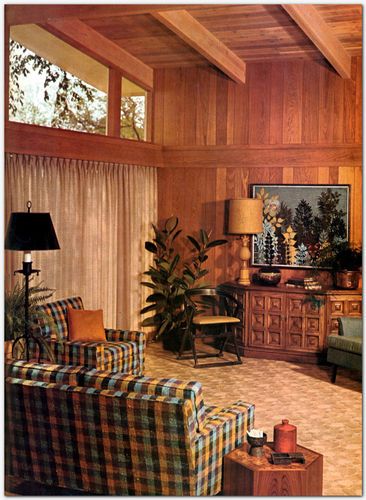
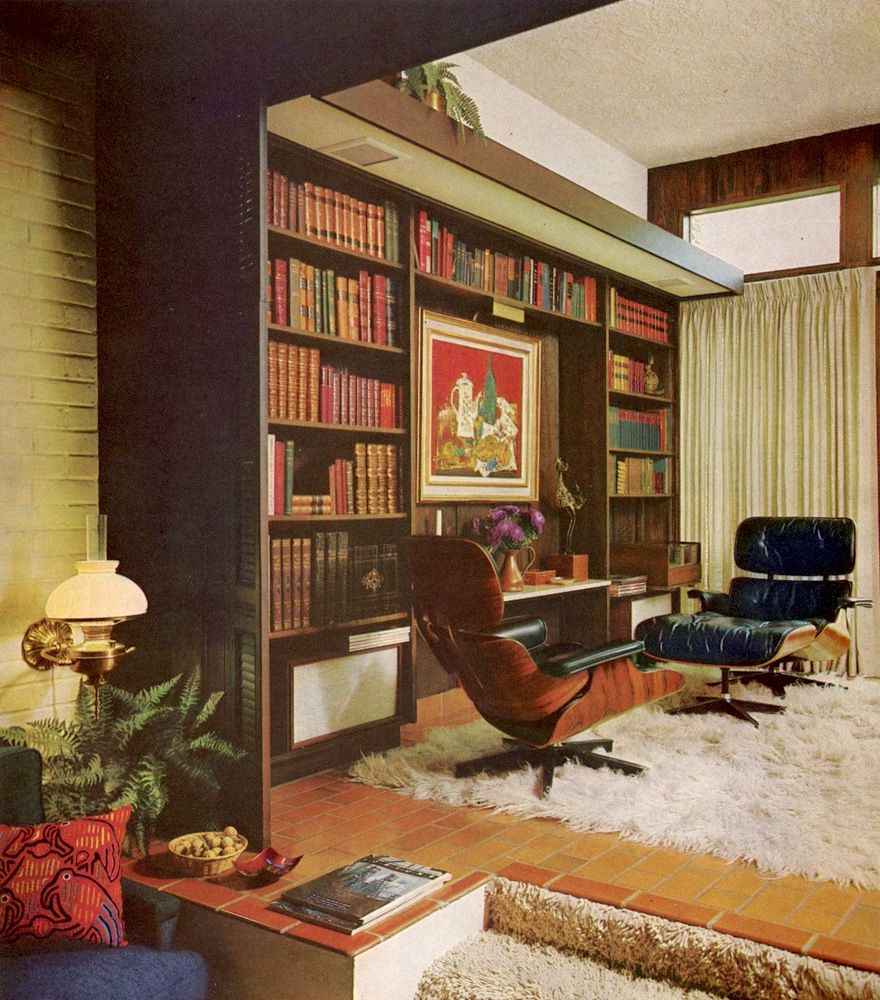
Earthy colors were everywhere. Avocado green, mustard yellow, burnt orange, chocolate brown, and deep rust appeared on walls, furniture, carpets, and decorative objects. These tones created cozy spaces that felt connected to nature.
Natural materials played an important role. Wood paneling, wicker furniture, rattan chairs, macramé wall hangings, and woven textiles brought texture into the home. Houseplants became popular decorative features, softening interiors and reinforcing the decade’s interest in a more natural lifestyle.
At the same time, futuristic design remained influential. Plastic furniture, sculptural lighting, glossy surfaces, and unusual shapes reflected an ongoing fascination with technology and modern living.
Patterns were bold and expressive. Geometric motifs, oversized florals, and abstract prints appeared on wallpaper, upholstery, and curtains. Rather than aiming for perfect coordination, many interiors combined different textures and objects to create a personal, lived-in atmosphere.
The result was a distinctive balance between comfort and experimentation. A 1970s interior could be earthy and bohemian, sleek and futuristic, or a mixture of both.
Iconic Style Inspirations of the 1970s
Several influential figures continue to define the decade’s fashion and beauty.
Diane Keaton represented an intellectual, unconventional approach to dressing. Her tailored trousers, waistcoats, oversized jackets, and layered shirts made menswear-inspired fashion feel relaxed and distinctly personal.
Farrah Fawcett became a beauty icon through her feathered hairstyle, radiant smile, and effortless California-inspired glamour. Her look captured the softer, more natural side of the decade.
Bianca Jagger embodied the sophisticated glamour of the disco era. Her elegant suits, dramatic eveningwear, and confident personal style demonstrated how a woman could combine classic tailoring with a bold, modern attitude.
David Bowie transformed fashion into a form of performance. Through his changing appearances and theatrical costumes, he challenged conventional ideas about masculinity, identity, and celebrity style.
Diana Ross brought extraordinary glamour to the stage with dramatic gowns, voluminous hairstyles, and dazzling accessories. Her image connected the elegance of earlier entertainment traditions with the spectacle of 1970s performance.
Jane Birkin became associated with a relaxed, romantic form of French-inspired style. Her simple dresses, denim, fringe, and natural beauty helped establish an aesthetic that remains influential in contemporary fashion.
Together, these figures demonstrate the extraordinary variety of 1970s style. The decade could be polished or rebellious, understated or extravagant, romantic or experimental.
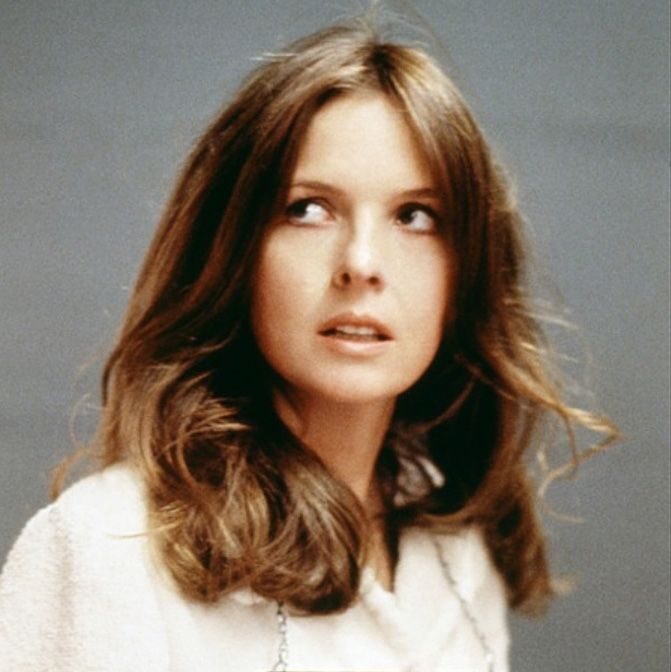
Diane Keaton
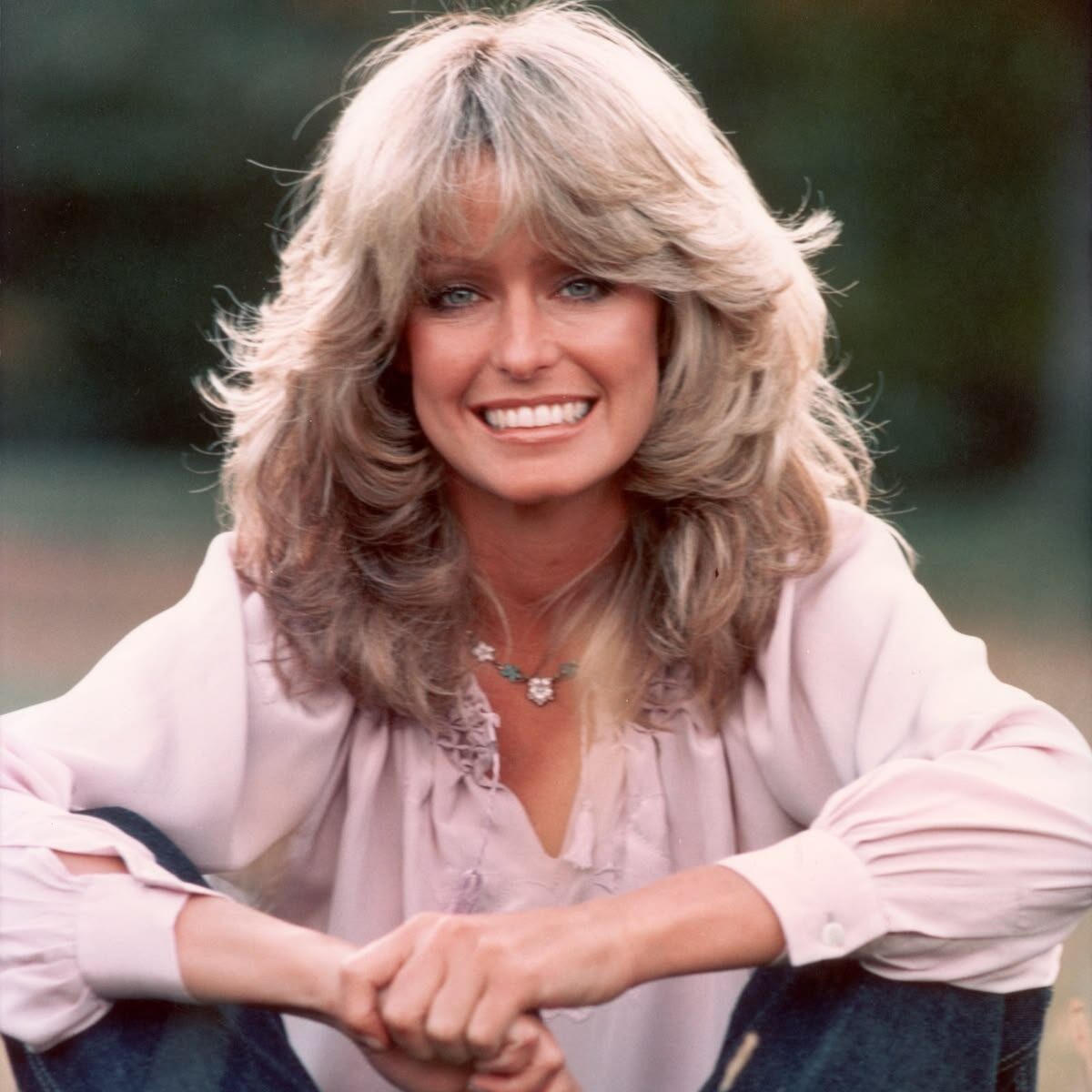
Farrah Fawcett
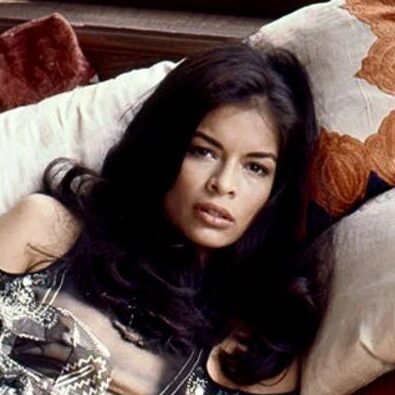
Bianca Jagger
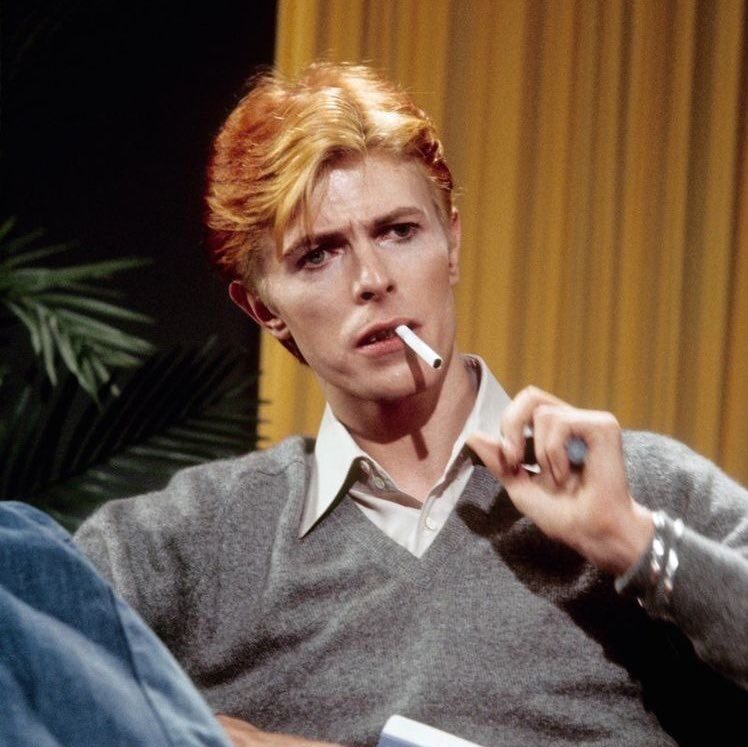
David Bowie
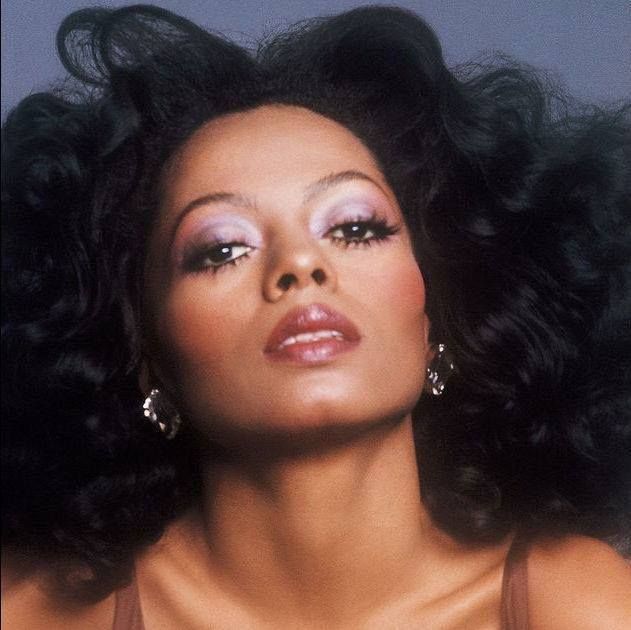
Diana Ross
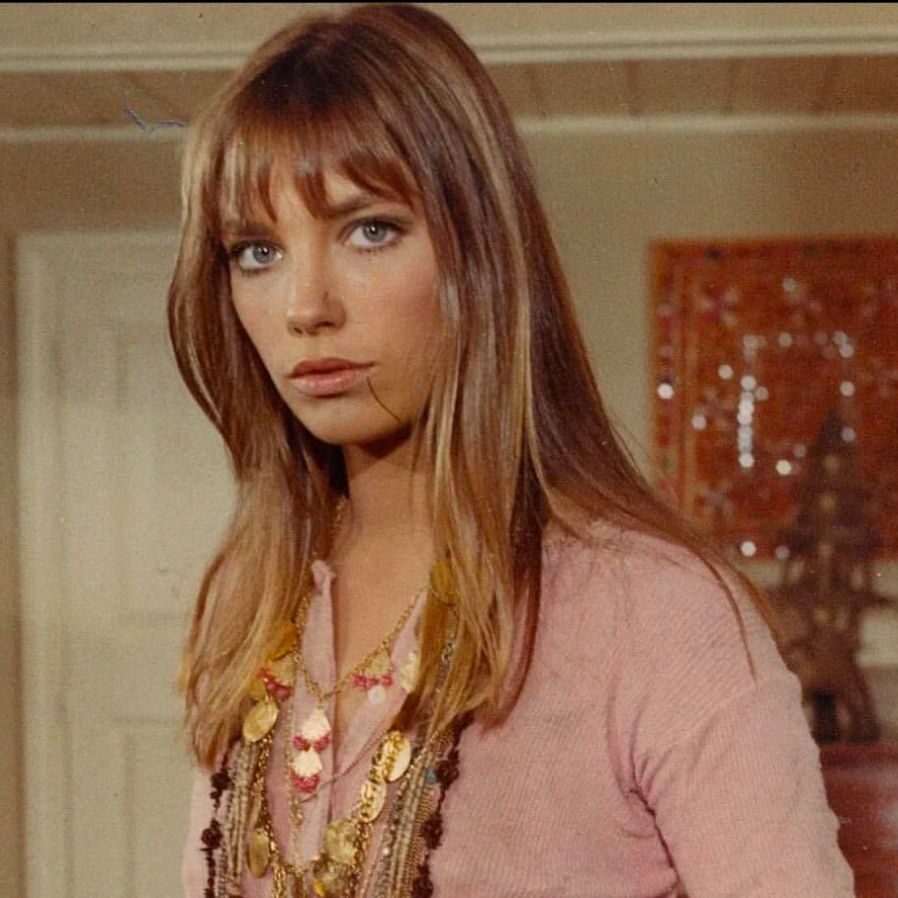
Jane Birkin
Why the 1970s Still Inspire Us
The enduring appeal of the 1970s lies in its freedom from a single definition of beauty or elegance. It was a decade that embraced contrasts: the softness of bohemian fashion and the sharpness of punk, the natural beauty of long flowing hair and the sparkle of disco makeup, the simplicity of denim and the drama of eveningwear.
Many of its defining pieces remain essential in modern wardrobes. Flared jeans, tailored blazers, suede jackets, maxi dresses, platform shoes, and vintage-inspired accessories continue to return to contemporary collections. The decade’s influence can also be seen in warm interior palettes, eclectic decorating, and the revival of retro typography and graphic design.
Perhaps most importantly, the 1970s remind us that style is not simply about following trends. It is about creating a visual language that reflects personality, interests, and the way we wish to experience the world.
For vintage lovers, the decade offers endless inspiration. Its photographs, films, music, and clothing preserve a world that feels both distant and surprisingly familiar.
Discover the next chapter of vintage history — [Explore the 1980s →]