
The 1980s: Bold Glamour, Power Dressing, and Pop Culture
The 1980s were a decade of confidence, extravagance, and unapologetic self-expression. Fashion became bolder, silhouettes grew more dramatic, and popular culture embraced a new kind of glamour. From oversized blazers and statement accessories to glamorous evening dresses and colorful athletic wear, the decade celebrated individuality on a grand scale.
It was an era shaped by powerful music icons, unforgettable films, ambitious fashion, and a growing fascination with celebrity culture. The understated looks of previous decades gave way to stronger colors, striking shapes, and a more theatrical approach to personal style.
Today, the 1980s remain one of the most recognizable periods in fashion history. Their distinctive combination of confidence, nostalgia, and extravagance continues to inspire designers, photographers, filmmakers, and vintage enthusiasts.
Fashion: Power Dressing and Statement Style
Fashion in the 1980s was all about making an impression. One of the decade’s defining trends was power dressing, characterized by structured blazers, broad shoulders, tailored trousers, and elegant suits. As more women entered influential professional roles, clothing became a way to communicate confidence, independence, and authority.
The power suit became an essential part of this aesthetic. Broad shoulder pads, sharply defined waists, pencil skirts, and carefully coordinated accessories created a strong silhouette. Designers such as Giorgio Armani helped popularize relaxed, sophisticated tailoring, while fashion houses like Chanel continued to reinterpret classic elegance for a changing era.
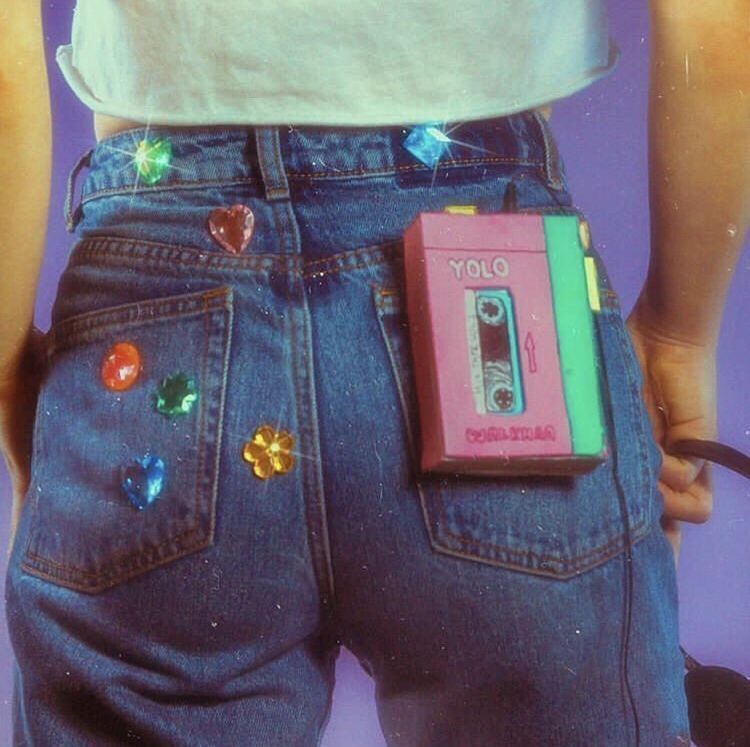
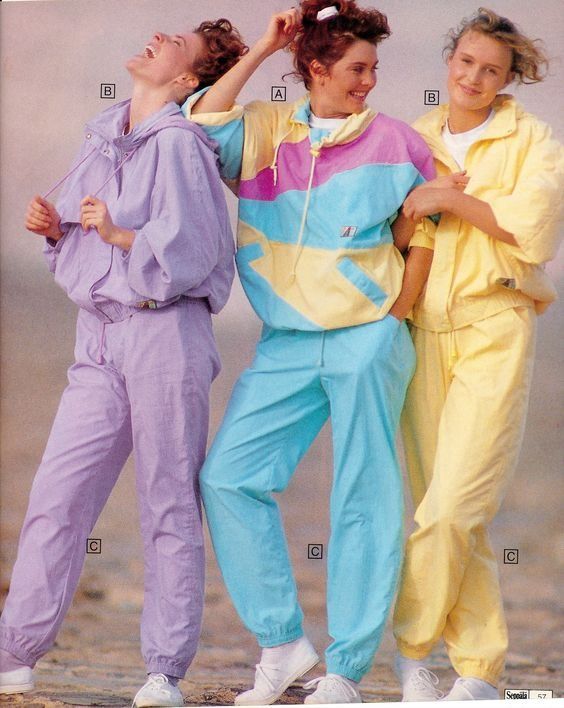
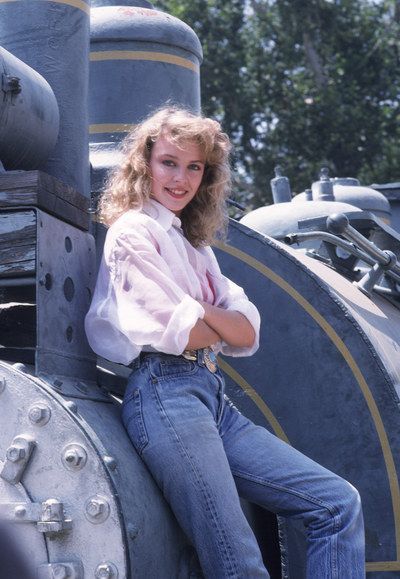
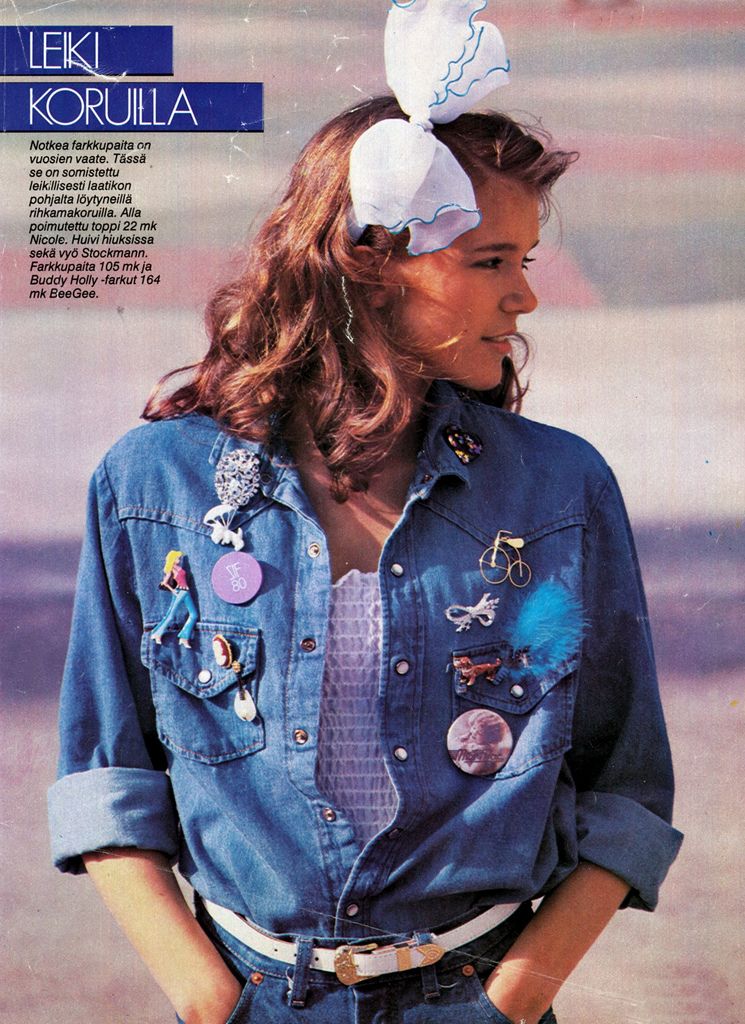
Yet the decade was not defined by professional clothing alone. Casual fashion became increasingly expressive, with acid-wash jeans, denim jackets, leggings, oversized sweatshirts, and colorful knitwear appearing in everyday wardrobes. Sneakers and athletic-inspired clothing gained popularity beyond the gym, reflecting a growing interest in fitness and an active lifestyle.
Romantic fashion also found its place among the decade’s bolder trends. Lace, ruffles, puffed sleeves, floral prints, and delicate accessories offered a softer alternative to structured tailoring. These details appeared in everything from everyday blouses to elaborate evening dresses.
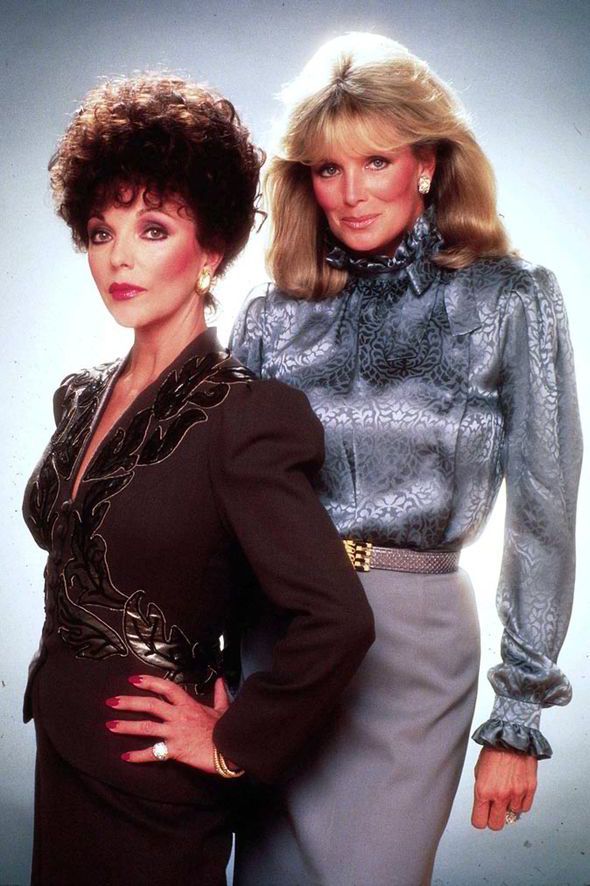
Eveningwear embraced extravagance. Sequins, satin, velvet, metallic fabrics, dramatic sleeves, and statement jewelry transformed dressing up into an opportunity for self-expression. Glittering dresses and bold accessories reflected the glamorous atmosphere of nightclubs, celebrity events, and popular entertainment.
The 1980s proved that fashion did not have to be subtle to be elegant. Whether expressed through a perfectly tailored suit, a romantic dress, or a dramatic evening ensemble, confidence was the defining accessory.
Hollywood and Cinema: The Age of Iconic Style
Cinema in the 1980s produced unforgettable characters whose clothing became as memorable as their stories. Romantic dramas, teen films, action movies, and extravagant adventures all contributed to the decade’s visual identity. Film wardrobes reflected the changing attitudes of the era, from professional ambition and youthful rebellion to romance and luxurious glamour.
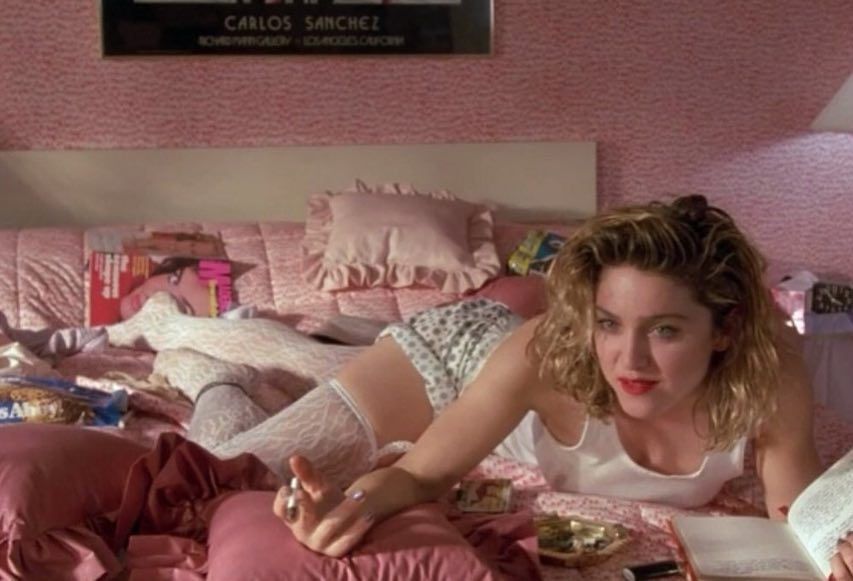
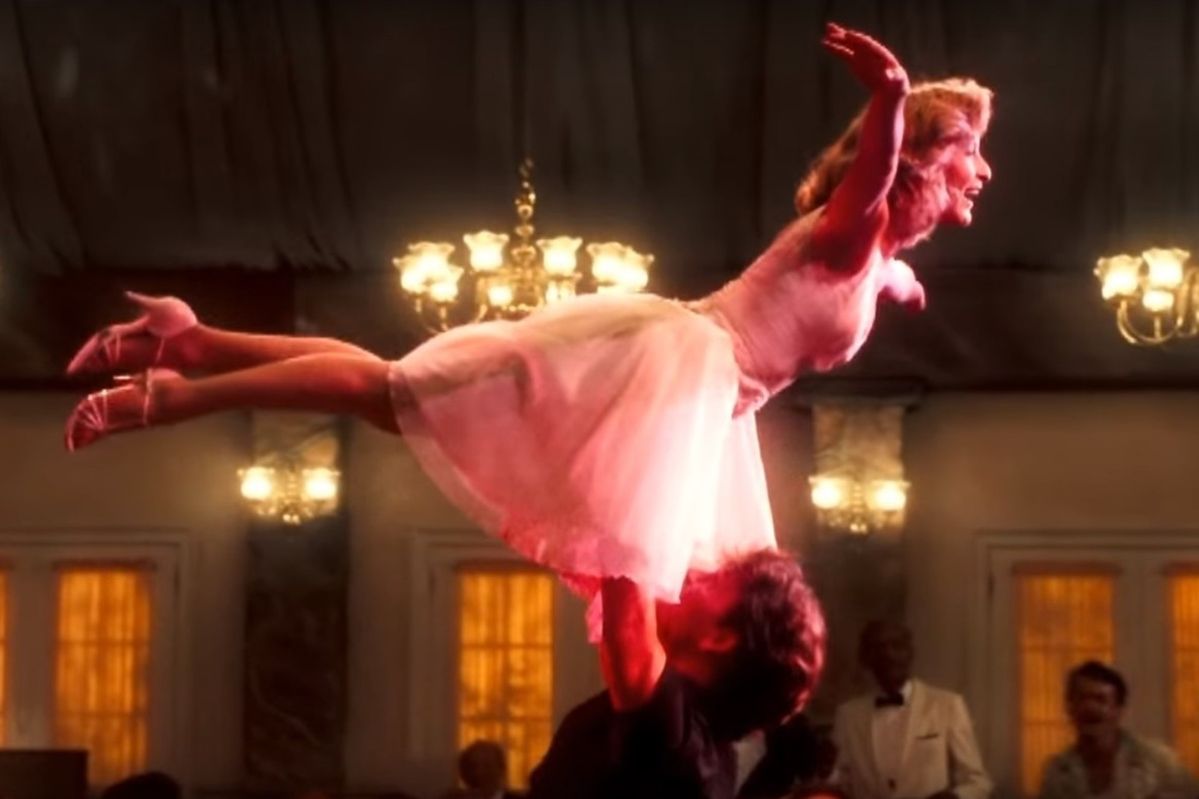
Films such as Pretty in Pink (1986), Working Girl (1988), and Desperately Seeking Susan (1985) captured different aspects of 1980s fashion. From playful, vintage-inspired outfits to professional tailoring and rebellious street style, cinema reflected the many identities people explored through clothing.
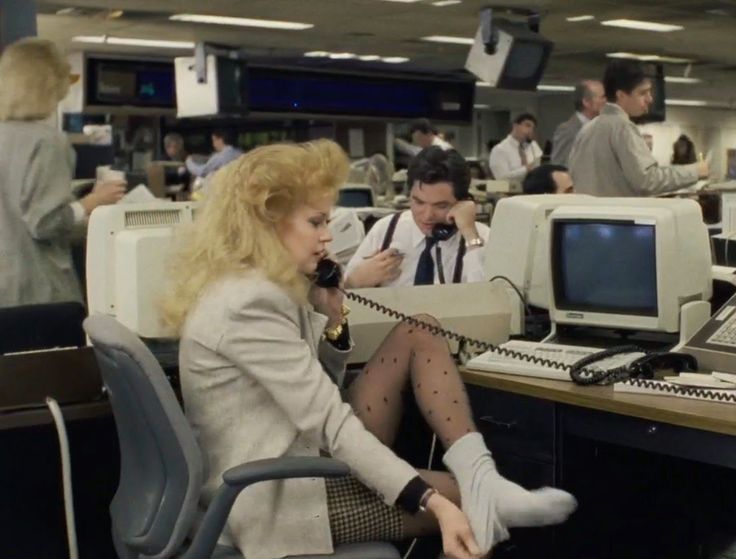
Working Girl, starring Melanie Griffith, became particularly associated with ambition and power dressing. Its tailored suits and structured silhouettes reflected the changing image of women in the workplace. The film’s wardrobe demonstrated how professional clothing could communicate determination while remaining stylish and distinctly feminine.
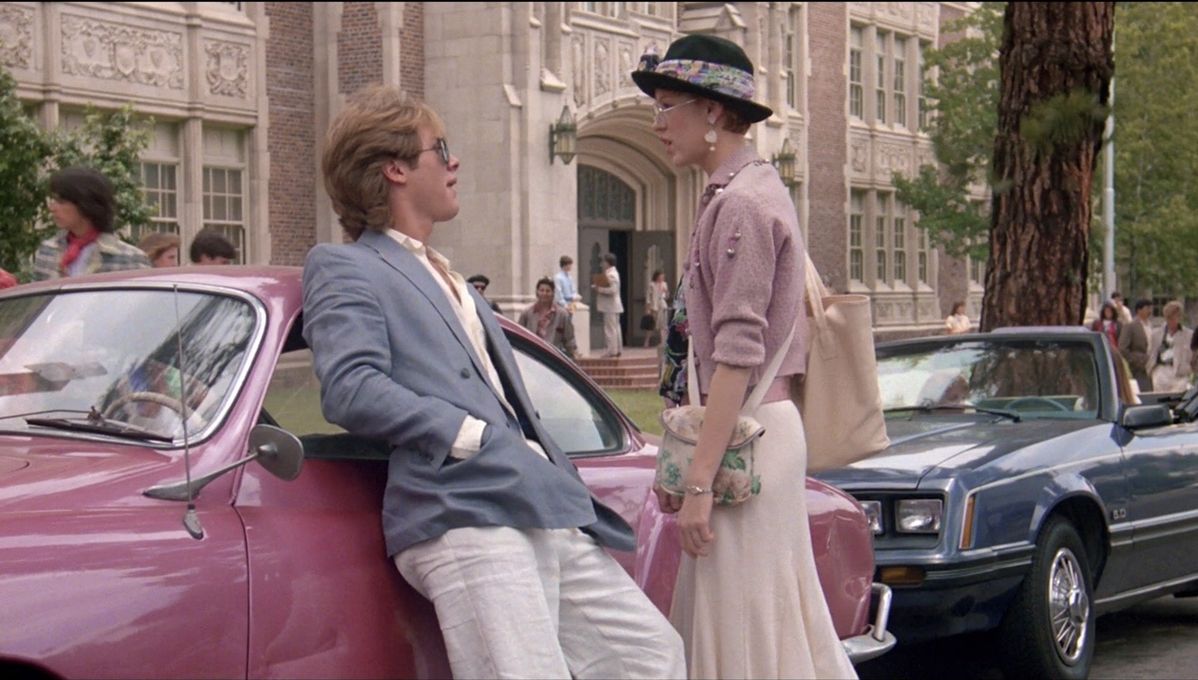
Pretty in Pink, starring Molly Ringwald, celebrated individuality through creative, unconventional fashion. Its layered clothing, playful combinations, and distinctive accessories reflected the importance of personal identity in youth culture. The film remains closely associated with the romantic, slightly rebellious aesthetic of 1980s teen cinema.
Desperately Seeking Susan, featuring Madonna and Rosanna Arquette, offered another memorable vision of the decade. Its layered jewelry, leather jackets, oversized clothing, and eclectic accessories captured the energy of New York street style.
Romance and glamour also flourished in films such as Dirty Dancing (1987). Its summer clothing, soft feminine silhouettes, and memorable dance scenes captured a more intimate and nostalgic side of the decade.
Hollywood in the 1980s demonstrated that style could be powerful, playful, romantic, or rebellious. Film wardrobes became a lasting source of inspiration, proving that the most memorable fashion often begins with a character whose personality shines through what they wear.
Beauty and Hairstyles: Volume, Color, and Confidence
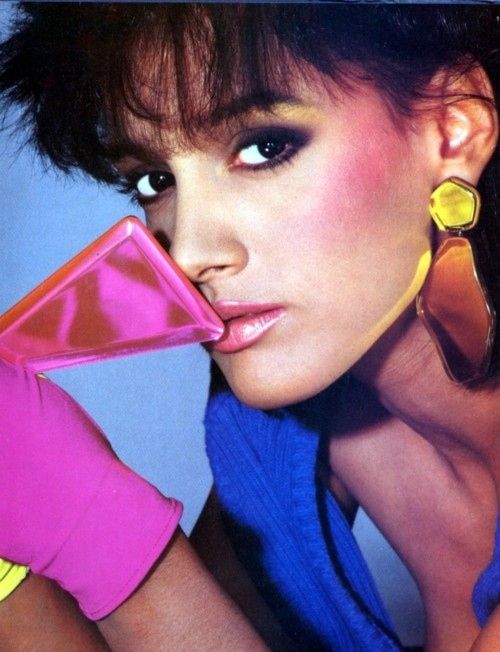
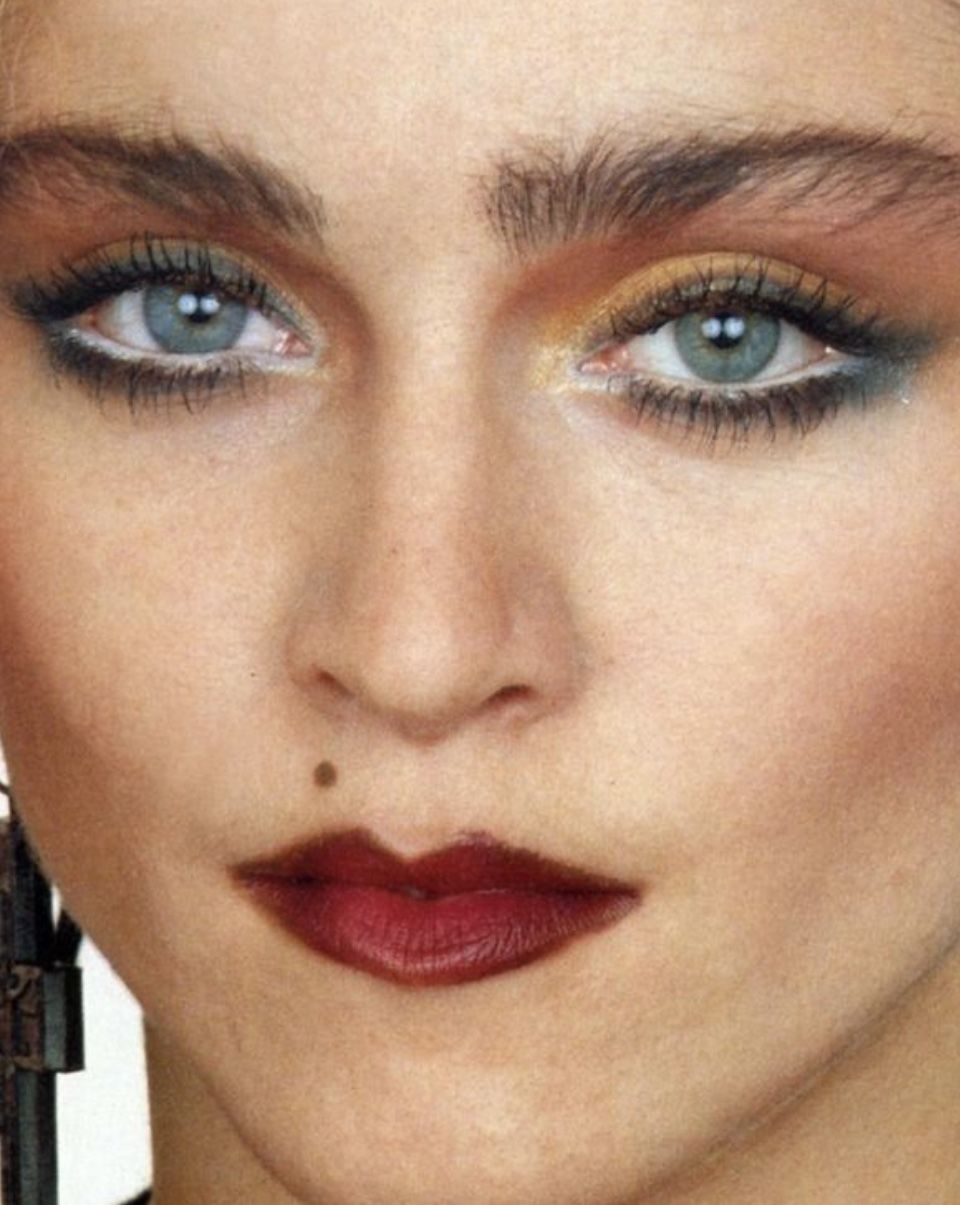
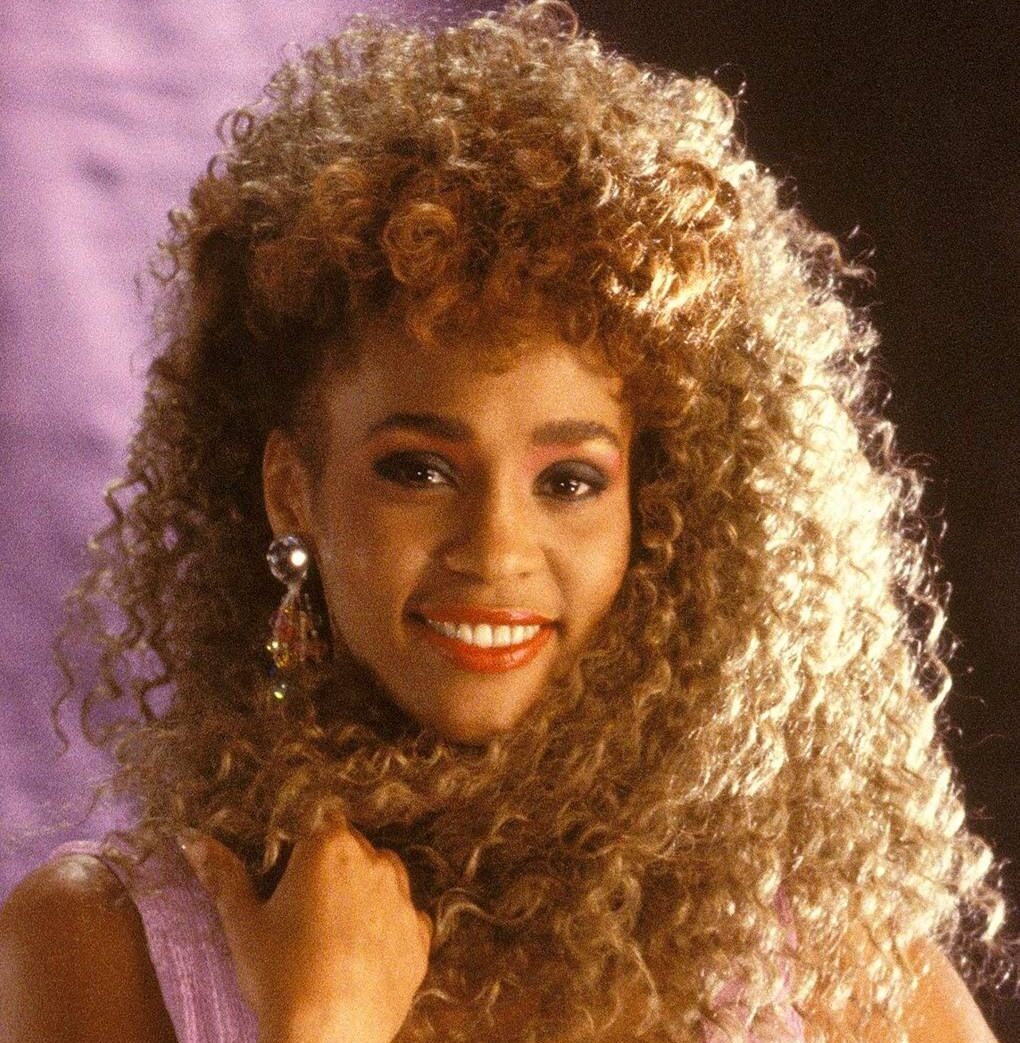
Beauty in the 1980s embraced dramatic expression. Makeup became more colorful, with bright eyeshadows, defined blush, bold lipstick, and carefully shaped eyebrows. Pink, blue, purple, and shimmering metallic shades brought a sense of fun and theatricality to everyday beauty.
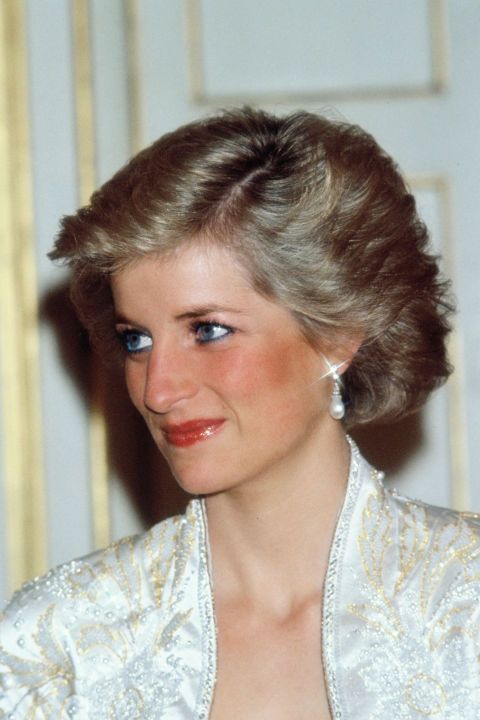
Blush was often applied prominently to define the cheekbones, while lipstick ranged from soft rose and classic red to vibrant pink. Eye makeup could be subtle or intensely colorful, depending on the occasion and personal style. Beauty was no longer simply about creating a polished appearance; it was also an opportunity to experiment.
Hair was equally distinctive. Voluminous curls, feathered layers, side-swept bangs, and dramatic blowouts became signature styles. Hair products helped create the height and movement that defined the decade’s most recognizable looks.
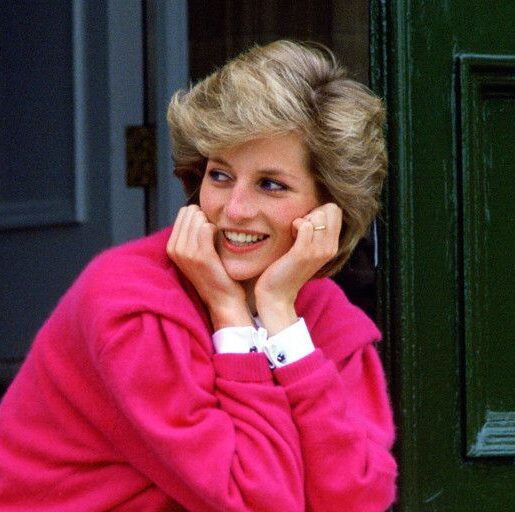
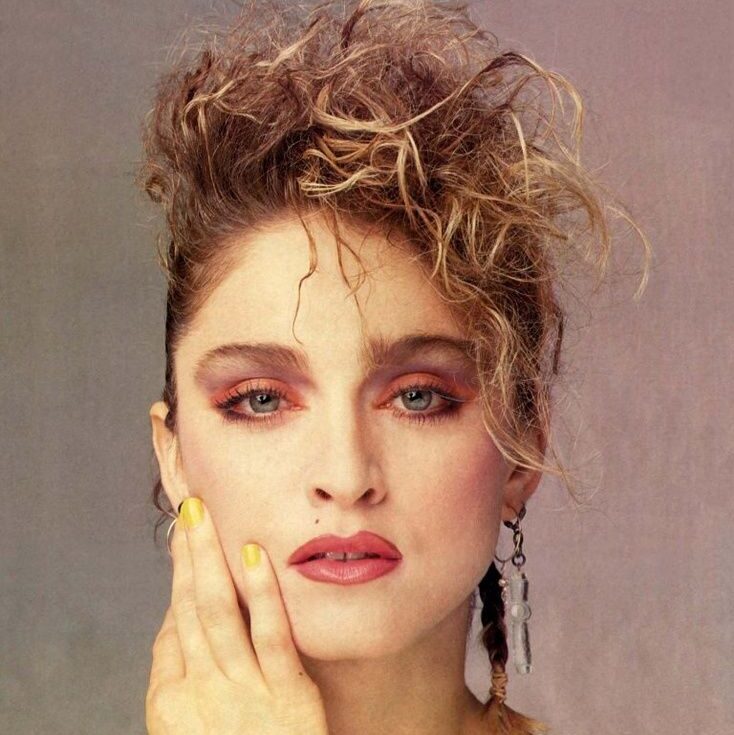
Icons such as Madonna, Cyndi Lauper, and Princess Diana offered different interpretations of 1980s beauty. Madonna embraced playful reinvention through changing hairstyles and bold makeup. Cyndi Lauper experimented with vivid colors and unconventional styling, while Princess Diana became known for her elegant, softly feathered hairstyle.
The decade also celebrated a variety of textures and lengths. Curly hair, natural volume, short sculpted cuts, and long layered styles all found their place in popular culture.
The 1980s beauty philosophy was simple: personal style deserved to be seen. Whether elegant, romantic, rebellious, or extravagant, beauty became an extension of individuality.
Music: Pop Royalty and the Sound of a Generation
Music was central to the identity of the 1980s. The rise of music television transformed performers into global style icons, making fashion an essential part of the musical experience. Music videos brought clothing, hairstyles, choreography, and visual storytelling directly into people’s homes.
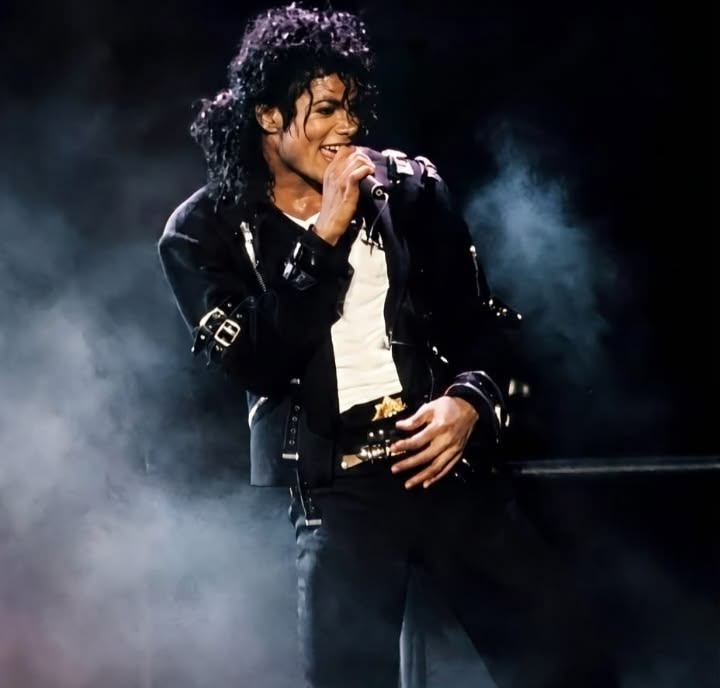
Michael Jackson became famous for his distinctive jackets, single white glove, and military-inspired details. His carefully constructed stage image demonstrated how a recognizable outfit could become inseparable from a musical performance. Madonna continually reinvented her appearance through lace, layered jewelry, bows, bracelets, and bold accessories, making experimentation a defining part of her public identity.
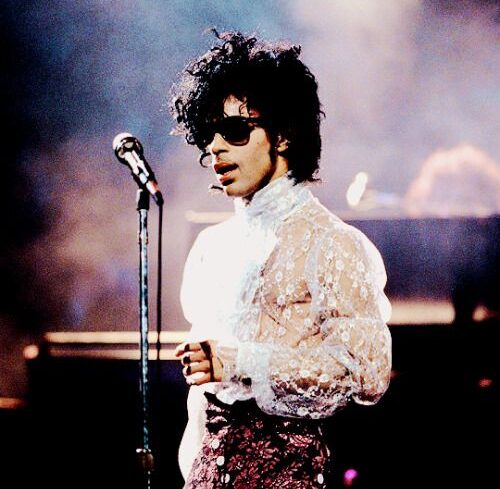
Prince combined flamboyant tailoring with a distinctive sense of androgynous glamour. His ruffled shirts, fitted suits, and dramatic stage costumes challenged conventional expectations of masculine fashion. Meanwhile, Cyndi Lauper embraced colorful, unconventional styling that reflected the playful energy of the decade.
Rock music also had a powerful influence on fashion. Bands such as Bon Jovi and Guns N’ Roses became associated with leather jackets, denim, graphic T-shirts, and dramatic stagewear. Their style reflected the rebellious spirit of rock culture, while synth-pop and new wave introduced futuristic sounds and experimental visual aesthetics.
The decade also produced unforgettable songs from artists such as Whitney Houston, Tina Turner, and George Michael. Their performances brought together powerful vocals, memorable stage presence, and distinctive personal styles.
Music videos became miniature fashion statements, spreading trends across the world. In the 1980s, the connection between music, celebrity, and personal style became stronger than ever, creating a visual culture that continues to influence fashion today.
Youth Culture: Individuality and Rebellion
Youth culture in the 1980s was shaped by music, television, films, and a growing variety of subcultures. Preppy fashion, punk-inspired clothing, new wave aesthetics, and sporty streetwear offered different ways to express identity.
The preppy look featured collared shirts, knitwear, loafers, carefully styled hair, and classic combinations of colors. Inspired partly by American college culture, it presented a neat and polished alternative to more rebellious trends.
At the other end of the spectrum, punk and alternative styles embraced leather jackets, ripped denim, graphic clothing, bold makeup, and unconventional hairstyles. These looks challenged traditional expectations and allowed young people to communicate their individuality through fashion.
Hip-hop culture also began to influence mainstream style during the decade. Tracksuits, sneakers, sportswear, and statement accessories became increasingly visible, particularly as hip-hop music and its associated visual culture reached wider audiences.
Teen films and television helped bring these different aesthetics into popular culture. Clothing became a way to signal musical interests, social identity, and personal attitudes, while fashion magazines encouraged readers to experiment with new combinations.
The 1980s were not defined by a single youth style. Instead, they offered a diverse collection of identities, each with its own music, clothing, and cultural references.
Interior Design: Color, Geometry, and Modern Glamour
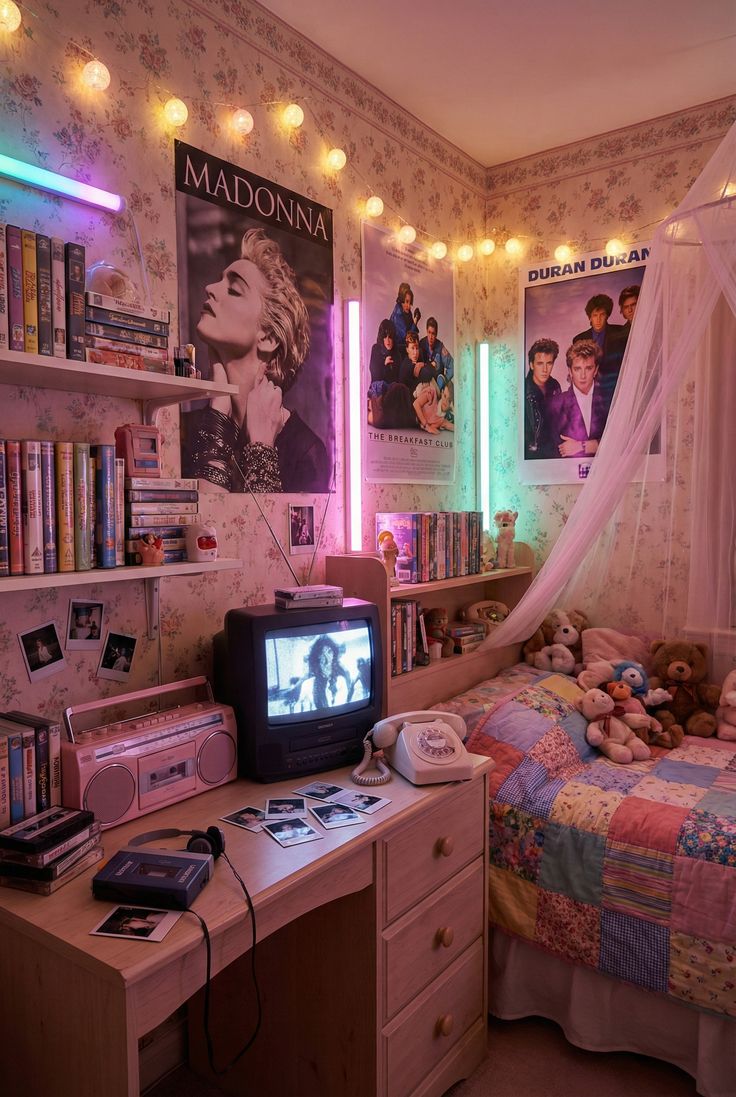
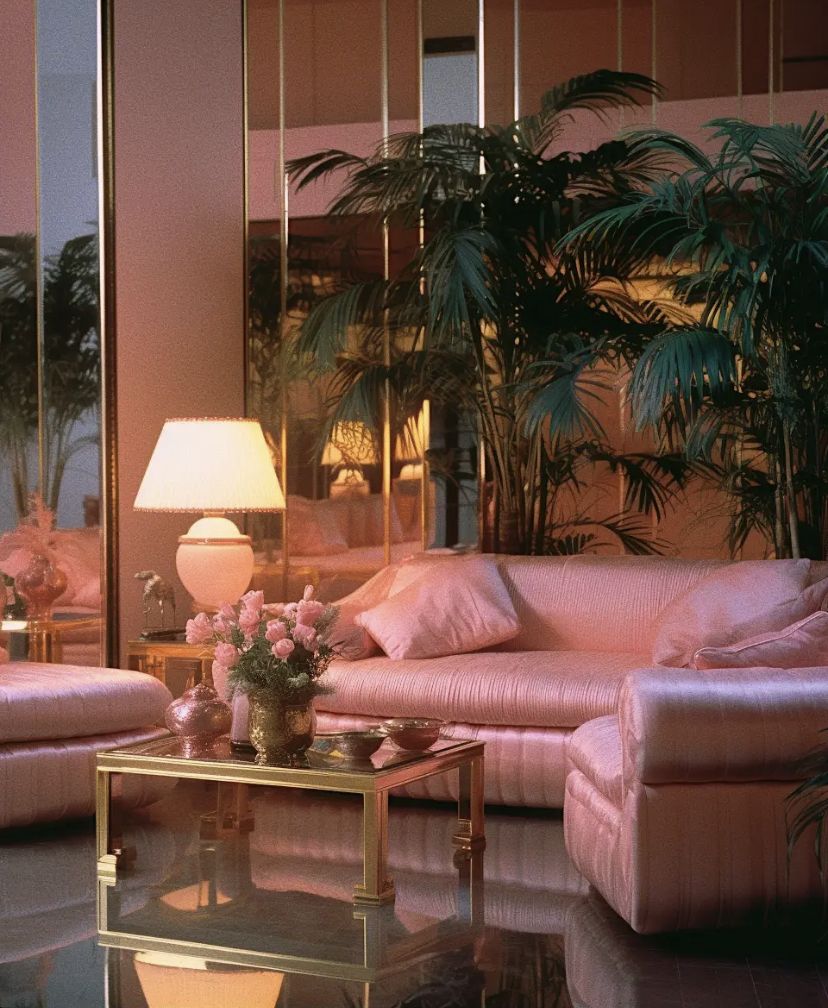
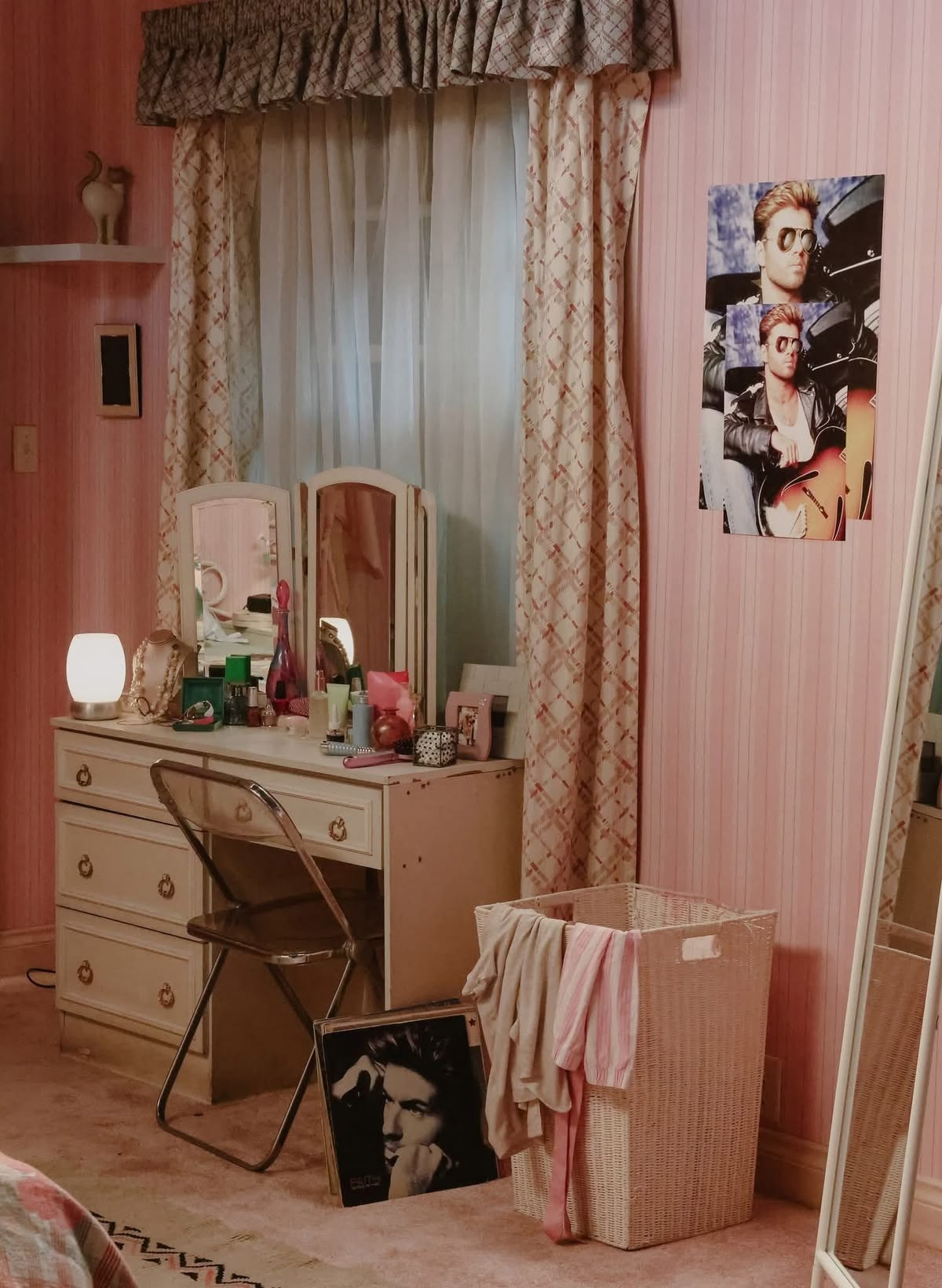
Interior design in the 1980s reflected the decade’s enthusiasm for color, technology, and expressive shapes. Pastel pink, mint green, turquoise, peach, and lavender appeared alongside black, white, and glossy metallic accents. Some interiors embraced soft, coordinated palettes, while others experimented with striking contrasts.
Geometric patterns, mirrored surfaces, glass tables, lacquered furniture, and sculptural lighting created spaces that often felt futuristic. The Memphis design movement, founded in 1981, became known for its playful shapes, bright colors, bold patterns, and unconventional combinations of materials.
Traditional influences remained popular as well. Floral fabrics, wooden furniture, decorative curtains, and classic accessories offered a more familiar interpretation of domestic elegance. Many homes combined these traditional elements with contemporary technology and modern decorative objects.
The decade’s interiors were often designed to feel personal and expressive. Decorative objects, colorful textiles, framed prints, and carefully chosen accessories gave rooms their character. Even when the overall aesthetic was restrained, distinctive shapes and materials helped create a recognizable 1980s atmosphere.
The result was a design era that combined modern ambition with decorative flair. From pastel bedrooms to glamorous living rooms, interior design became another way to express individuality.
Iconic Style Inspirations of the 1980s
Several influential figures continue to define the decade’s visual identity.
Princess Diana became an international style icon, known for her elegant suits, statement collars, evening dresses, and evolving personal style. Her wardrobe balanced classic sophistication with the bolder silhouettes of the decade.
Madonna transformed fashion into a form of reinvention, combining lace, layered jewelry, bold accessories, and rebellious femininity. Her constantly changing image reflected the experimental spirit of 1980s pop culture.
Michael Jackson influenced both music and fashion with military-inspired jackets, distinctive accessories, and unforgettable stage outfits. His visual identity became one of the most recognizable of the decade.
Joan Collins, particularly through her role as Alexis Carrington in Dynasty, embodied extravagant glamour with powerful shoulders, dramatic jewelry, luxurious fabrics, and perfectly styled hair.
Cyndi Lauper represented a playful, unconventional approach to style through vivid colors, layered accessories, and experimental hair. Her look celebrated creativity rather than traditional ideas of elegance.
Brooke Shields became associated with youthful, effortless beauty and the relaxed sophistication of 1980s fashion imagery. Her modeling and film appearances helped establish a distinctive look that combined simplicity with glamour.
Together, these figures illustrate the decade’s remarkable range, from polished elegance to bold theatrical expression. Each offered a different interpretation of what it meant to be stylish in the 1980s.
Princess Diana
Madonna
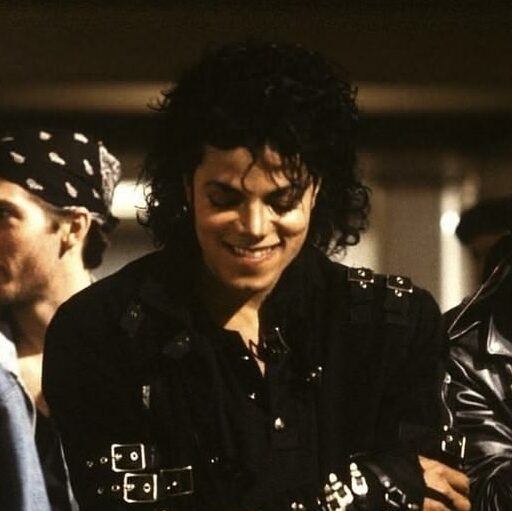
Michael Jackson
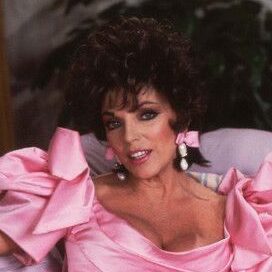
Joan Collins
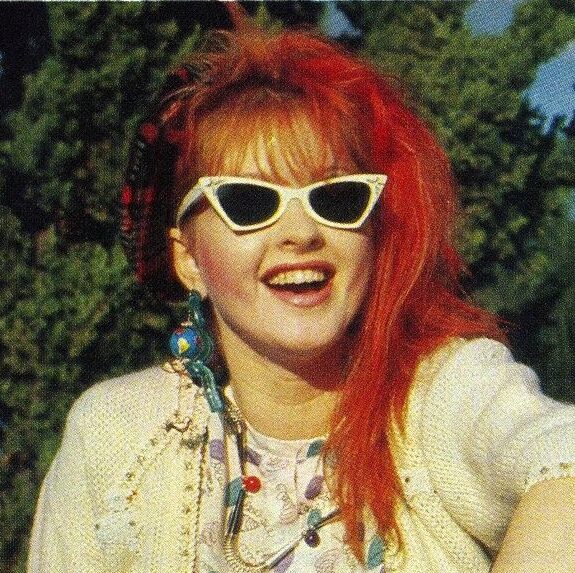
Cyndi Lauper
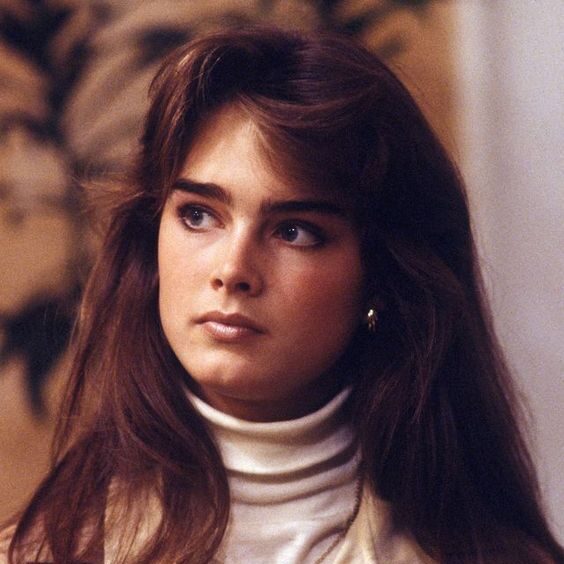
Brooke Shields
Why the 1980s Still Inspire Us
The influence of the 1980s remains visible in modern fashion. Oversized blazers, structured shoulders, high-waisted denim, statement earrings, colorful knitwear, and vintage sportswear regularly return to contemporary wardrobes.
The decade’s films and music also continue to inspire photography, design, and popular culture. Its visual language is instantly recognizable, whether expressed through bold typography, vibrant colors, dramatic silhouettes, or nostalgic film references.
The 1980s also remind us that classic elegance and extravagant fashion can coexist. A tailored blazer can feel timeless, while a bold accessory can transform an otherwise simple outfit. This balance between familiar pieces and expressive details is one reason the decade remains relevant.
Perhaps the most enduring lesson of the 1980s is the importance of confidence. The decade encouraged people to experiment, take up space, and express themselves without apology.
The 1980s were a celebration of individuality, ambition, and unapologetic glamour. From power dressing and unforgettable film wardrobes to pop music and expressive beauty, the decade created a visual legacy that remains influential today.
Its style reminds us that fashion can be more than decoration. It can communicate confidence, reflect personal identity, and transform ordinary moments into something memorable.
The spirit of the 1980s lives on wherever bold expression meets vintage nostalgia — proving that sometimes, the most timeless statement is simply the courage to stand out.
Discover the next chapter of vintage history — [Explore the 1990s →]