
The 1990s: Minimalist Elegance, Grunge, and the Rise of Pop Culture
The 1990s were a decade of contrasts, where understated elegance met rebellious individuality. After the extravagance and bold silhouettes of the previous decade, fashion began to embrace simpler shapes, neutral colors, and a more relaxed approach to dressing. At the same time, grunge, hip-hop, and youth culture introduced styles that challenged traditional ideas of beauty and sophistication.
It was an era shaped by supermodels, unforgettable romantic comedies, influential musicians, and the growing power of television and popular culture. Slip dresses, oversized denim jackets, tailored blazers, chunky shoes, and simple white T-shirts became defining elements of a generation’s wardrobe.
The 1990s also marked a shift in the way people experienced fashion and entertainment. Music videos, glossy magazines, sitcoms, and films helped establish trends that quickly became part of everyday life. From the polished glamour of the supermodel era to the effortless style of independent cinema, the decade offered countless interpretations of modern femininity and personal expression.
Today, the 1990s remain an important source of inspiration for contemporary fashion. Their combination of minimalism, nostalgia, and youthful rebellion continues to influence designers, photographers, and vintage enthusiasts.
Fashion: Minimalism Meets Individuality
Fashion in the 1990s moved away from the dramatic silhouettes of the 1980s and embraced a more understated aesthetic. Clean lines, simple shapes, and neutral colors became increasingly popular, creating a style that felt modern, effortless, and timeless.
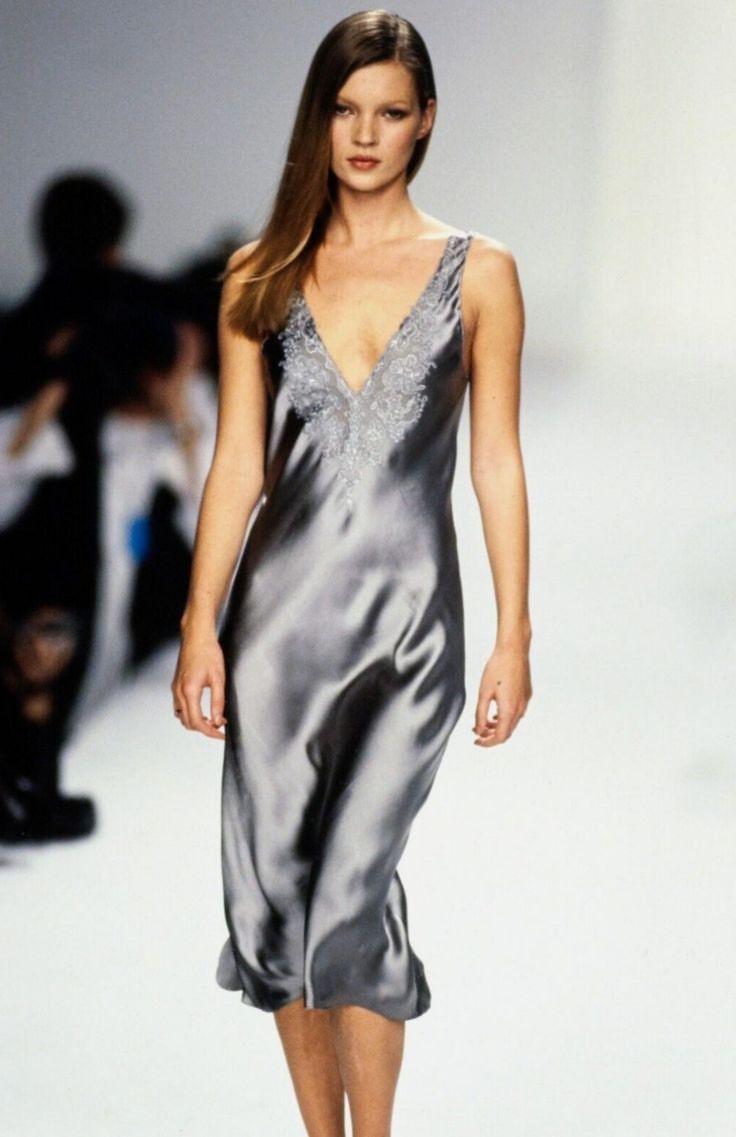
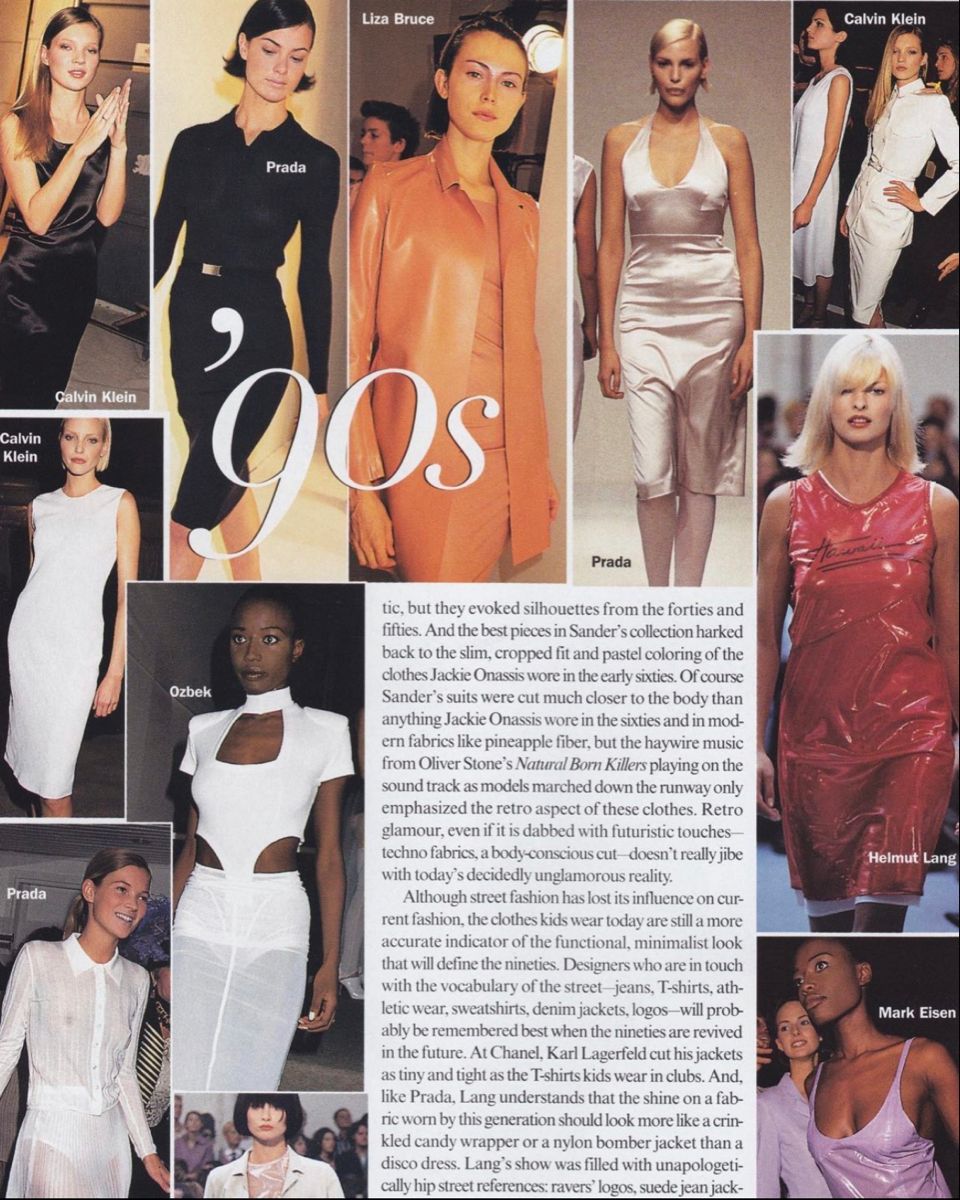
Minimalism was one of the decade’s defining movements. Designers such as Calvin Klein and Helmut Lang favored streamlined silhouettes, restrained color palettes, and uncomplicated designs. Slip dresses, fitted tops, straight-leg trousers, and simple coats reflected a new appreciation for clothing that looked elegant without excessive decoration.
The slip dress became one of the most recognizable garments of the decade. Often made from satin or silk-like fabrics, it could be worn alone for an evening look or layered over a T-shirt for a more casual outfit. Its simple silhouette captured the decade’s preference for understated sensuality.
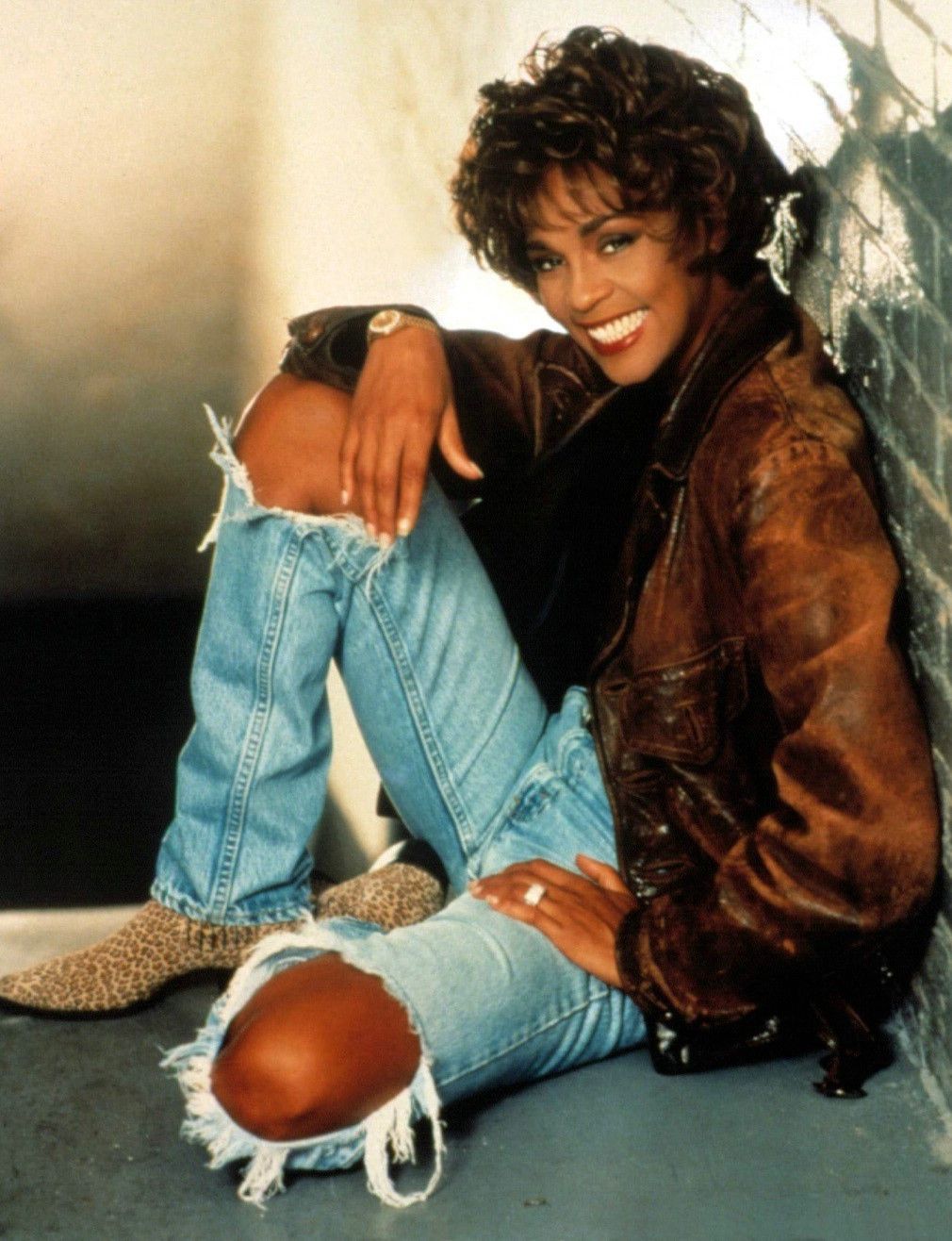
At the same time, grunge fashion offered a completely different aesthetic. Inspired by alternative rock music, it embraced oversized flannel shirts, ripped jeans, worn-in boots, vintage T-shirts, and layered clothing. Rather than aiming for perfection, grunge celebrated an intentionally relaxed, almost careless appearance.
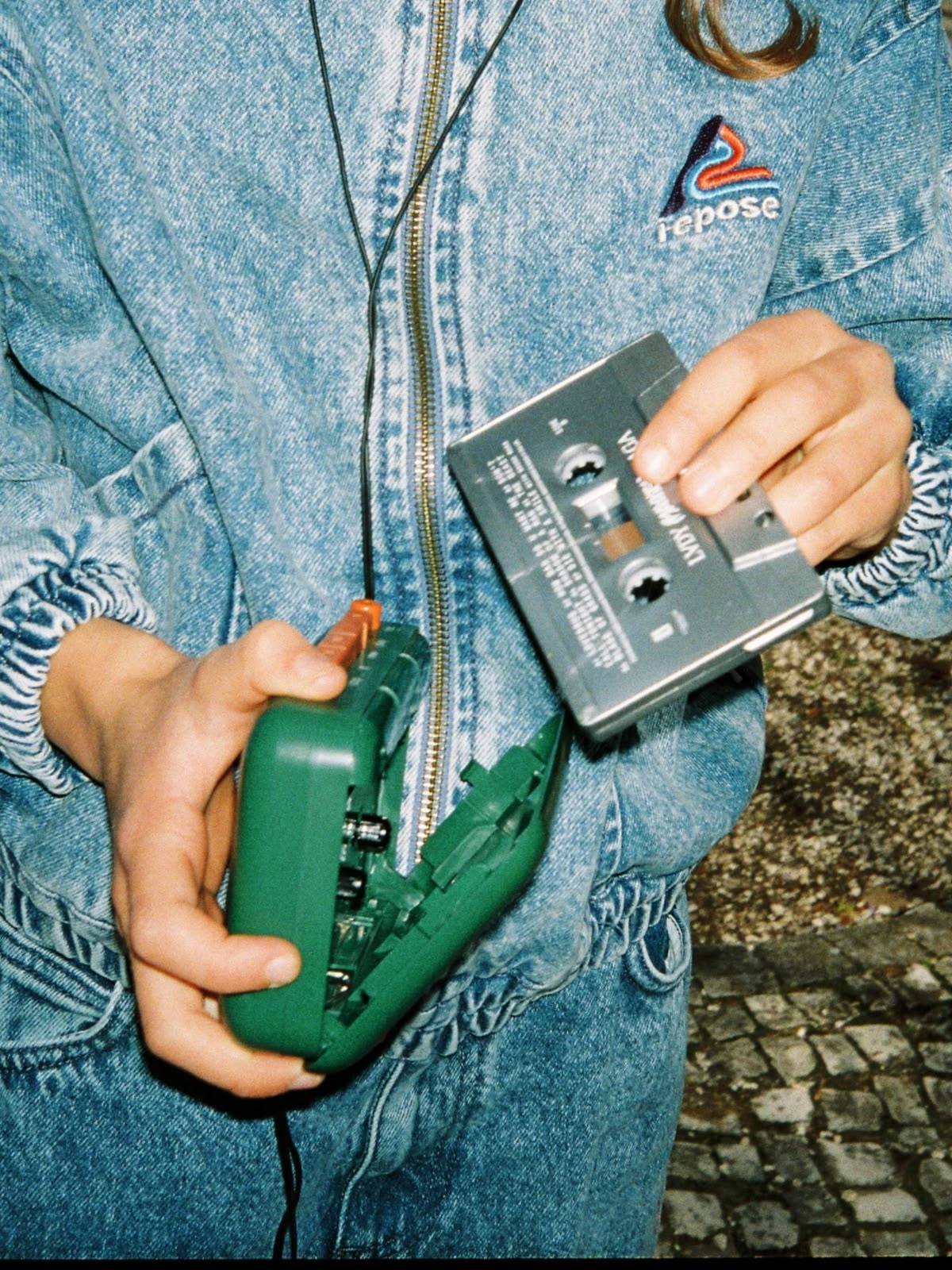
Denim was another essential part of everyday fashion. Straight-leg jeans, denim jackets, overalls, and relaxed silhouettes became wardrobe staples. Meanwhile, sporty clothing, crop tops, leather jackets, and chunky platform shoes reflected the influence of youth culture and streetwear.
The decade also brought a renewed appreciation for classic tailoring. Simple black blazers, white shirts, pencil skirts, and long coats offered an elegant alternative to more casual trends.
The beauty of 1990s fashion lies in its versatility. It could be minimalist and refined, rebellious and informal, or glamorous and feminine. Rather than following one dominant ideal, the decade encouraged people to create their own interpretation of style.
Hollywood and Cinema: Romance, Youth, and Timeless Style
Cinema in the 1990s reflected the decade’s changing attitudes toward fashion, relationships, and identity. Romantic comedies, teen films, independent cinema, and psychological dramas all contributed to its distinctive visual culture.
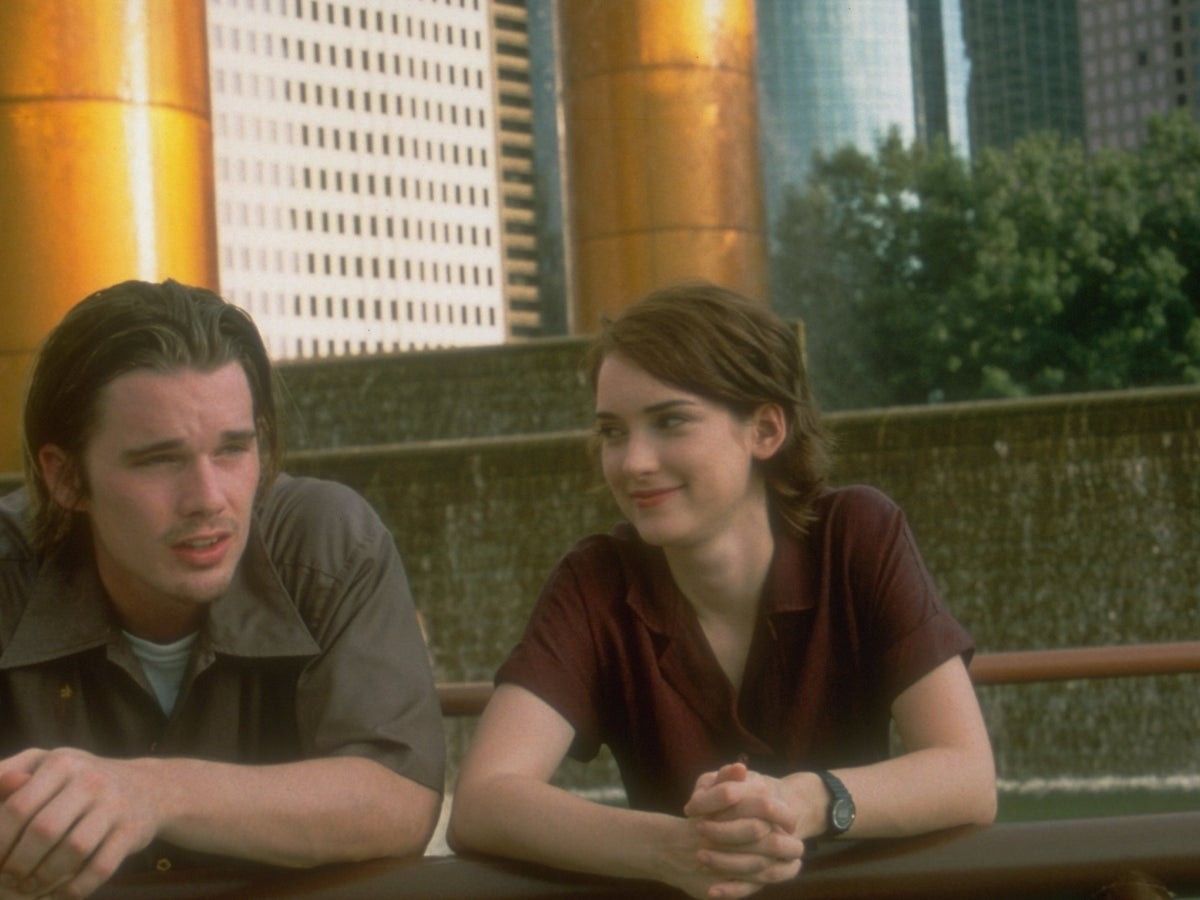
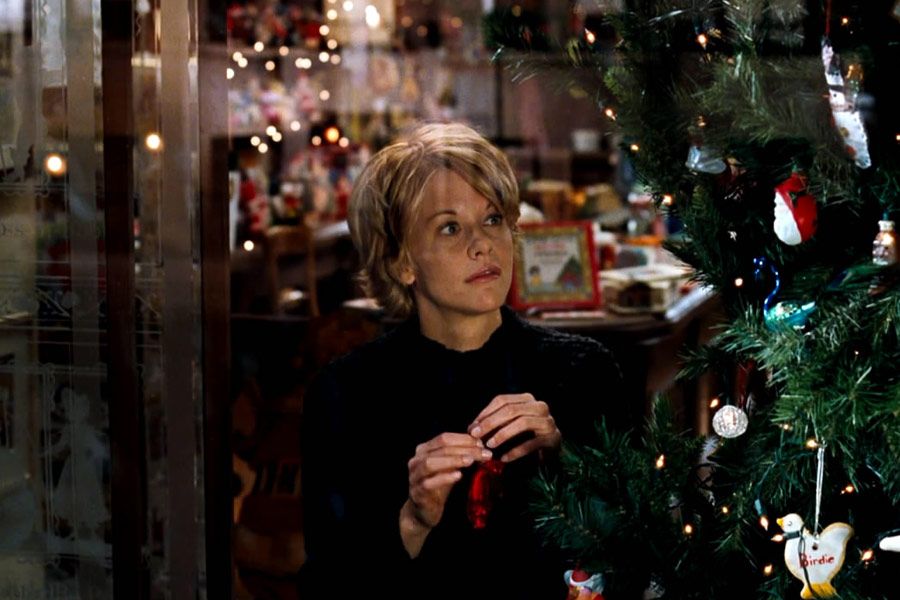
Films such as Pretty Woman (1990), Clueless (1995), Reality Bites (1994), and You’ve Got Mail (1998) captured different aspects of the decade’s style. From glamorous eveningwear and polished tailoring to plaid skirts and relaxed vintage-inspired outfits, cinema became an important source of fashion inspiration.
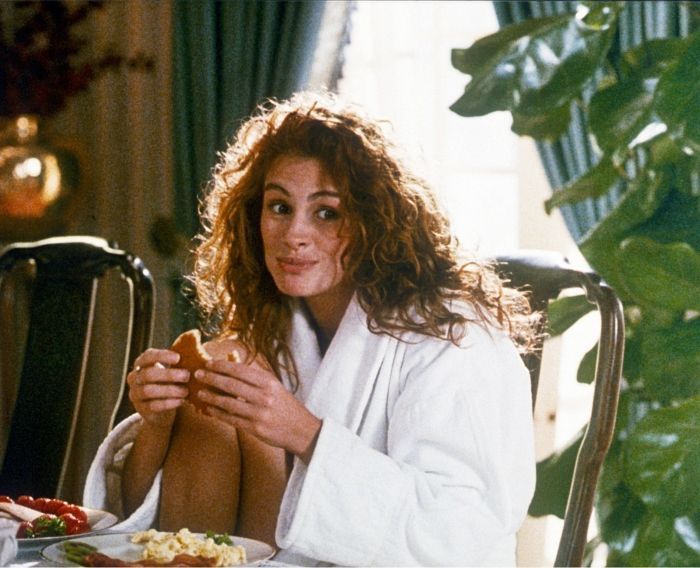
Pretty Woman, starring Julia Roberts and Richard Gere, offered a memorable transformation story through fashion. Its wardrobe moved between casual streetwear, sophisticated tailoring, and elegant evening dresses, illustrating how clothing could express changing confidence and identity.
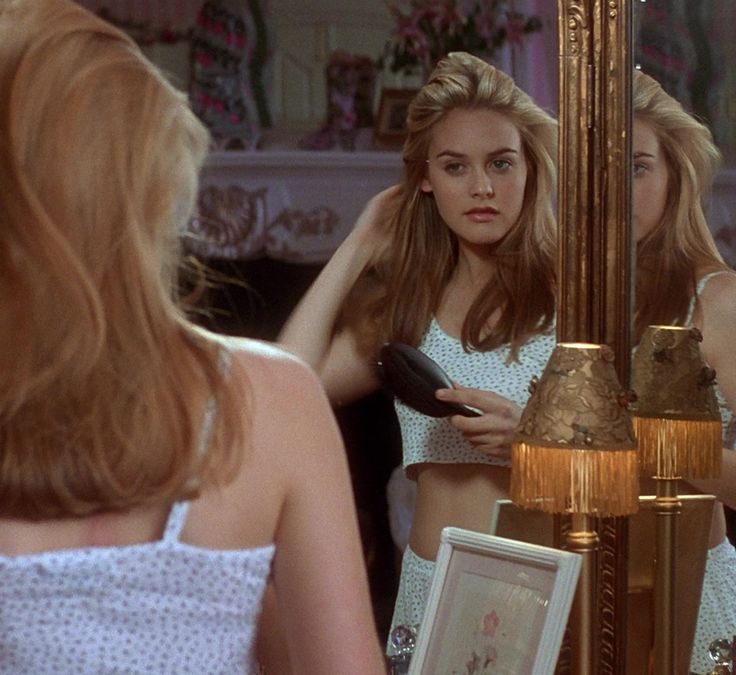
Clueless, starring Alicia Silverstone, became one of the decade’s most influential fashion films. Its coordinated plaid sets, knee-high socks, tailored jackets, and playful accessories transformed preppy fashion into a recognizable cultural phenomenon. The film continues to inspire contemporary interpretations of 1990s style.
Meanwhile, Reality Bites captured the more introspective side of youth culture. Its relaxed clothing, vintage-inspired layers, and understated appearance reflected the interests and uncertainties of a generation navigating adulthood.
Romantic comedies such as You’ve Got Mail also offered a softer vision of 1990s fashion, with classic coats, knitwear, simple dresses, and understated urban elegance.
Hollywood in the 1990s demonstrated that style did not always require extravagance. Sometimes, a simple outfit, a recognizable silhouette, or a character’s effortless confidence could become more influential than the most elaborate costume.
Beauty and Hairstyles: Natural Looks and Iconic Glamour
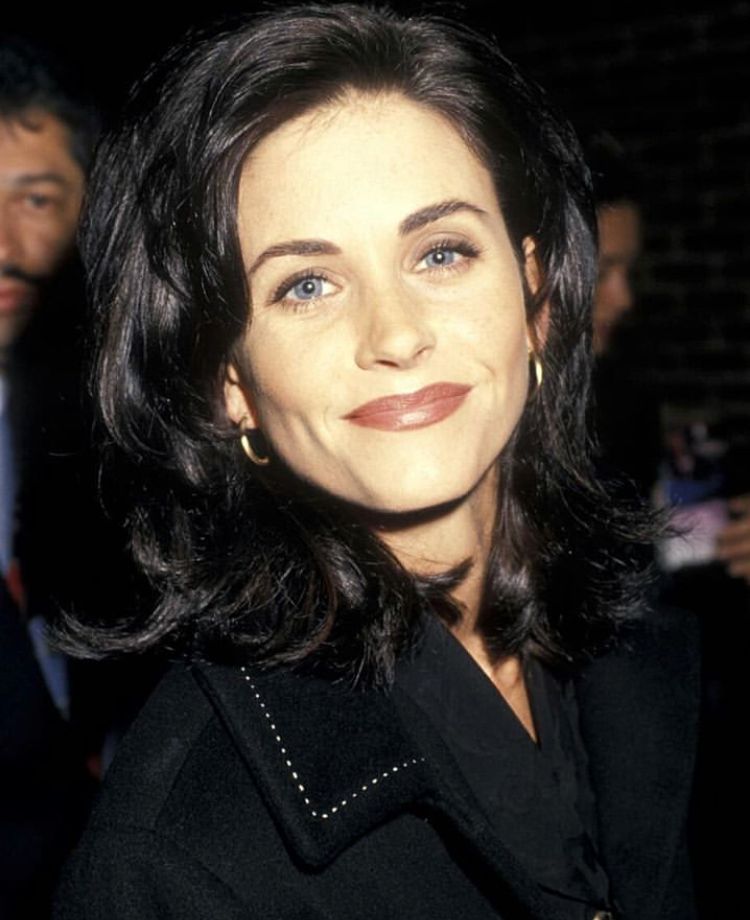
Beauty in the 1990s was defined by a balance between natural simplicity and carefully constructed glamour. Makeup often emphasized matte skin, neutral eyeshadows, defined lips, and softly sculpted features.
Brown, mauve, and muted rose lipsticks became especially popular, creating a sophisticated look that complemented the decade’s minimalist fashion. Thin eyebrows were another recognizable trend, while dark lip liner paired with lighter lipstick created a distinctive beauty aesthetic.
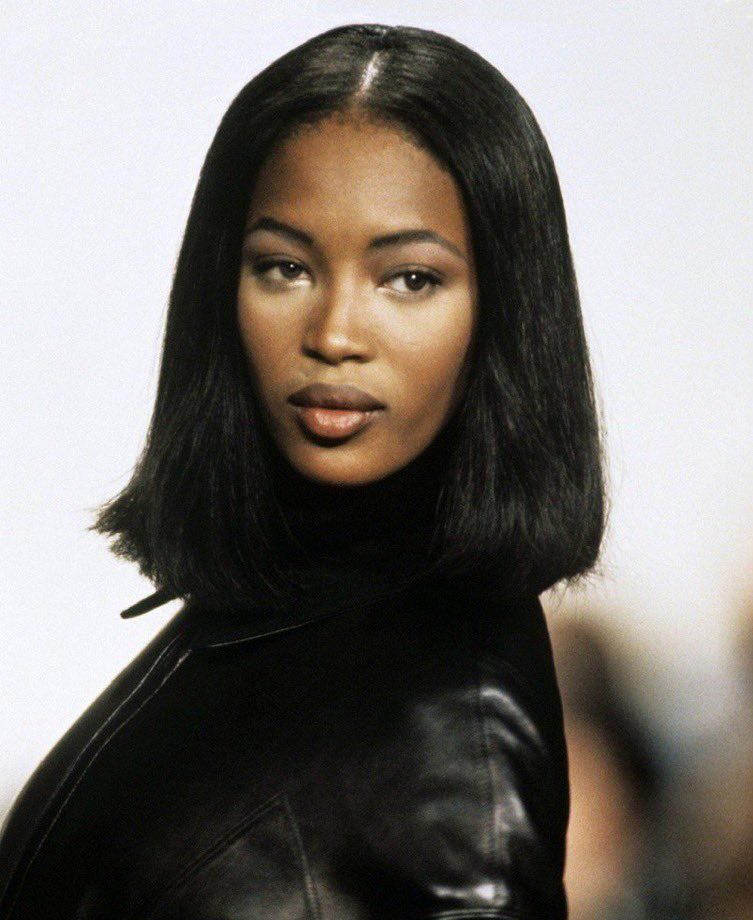
The supermodel era had an enormous influence on beauty standards. Cindy Crawford, Naomi Campbell, Christy Turlington, and Claudia Schiffer became international icons, known for their distinctive features, confident presence, and glamorous editorial appearances.
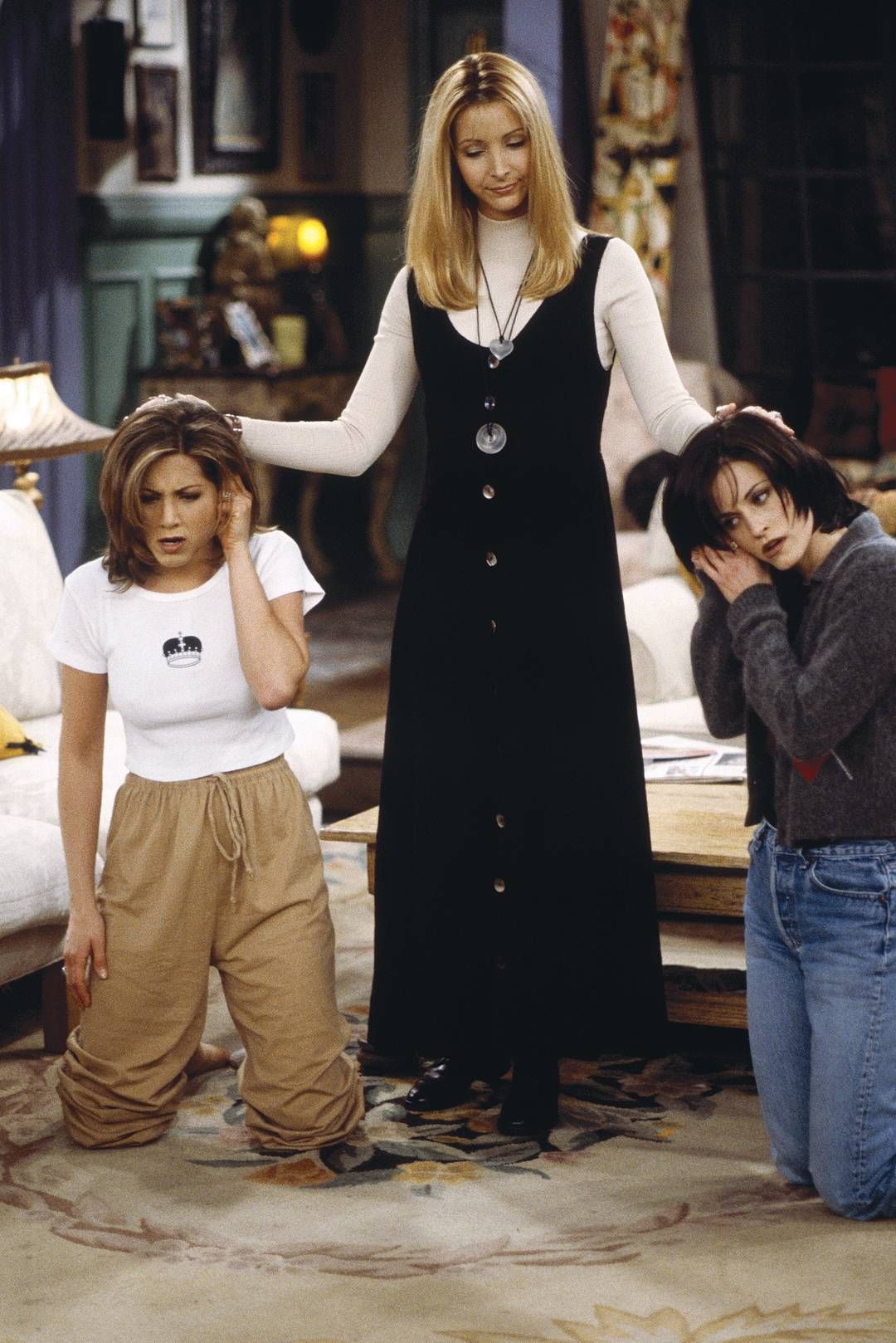
Hairstyles ranged from sleek, straight hair to voluminous blowouts, layered cuts, and playful updos. The Rachel haircut, popularized by Jennifer Aniston’s character in Friends, became one of the decade’s most recognizable hairstyles. Shorter cuts, including the pixie style associated with Winona Ryder in the 1990s, also gained popularity.
For evening occasions, glossy lips, shimmering eyeshadow, and defined eyeliner offered a more glamorous alternative to everyday minimalism.
The 1990s beauty aesthetic was full of contrasts. It celebrated natural-looking simplicity while also embracing carefully styled hair and unmistakable makeup trends.
Music: Grunge, Pop, and the Sound of a Generation
Music shaped the cultural identity of the 1990s, introducing sounds and styles that influenced fashion far beyond the stage.
Grunge emerged from the alternative rock scene and became one of the decade’s defining cultural movements. Bands such as Nirvana, Pearl Jam, and Soundgarden popularized a sound that felt raw, emotional, and deliberately unpolished. Flannel shirts, ripped denim, worn-out sneakers, and oversized sweaters became closely associated with the movement.
At the same time, pop music reached new levels of international popularity. Artists such as Britney Spears, the Spice Girls, and the Backstreet Boys became major cultural figures, influencing hairstyles, clothing, and teenage fashion. Their colorful outfits and memorable music videos helped define the decade’s more playful side.
R&B and hip-hop also had an enormous influence on music and style. Artists such as Aaliyah, TLC, and Tupac Shakur helped shape fashion through baggy trousers, sportswear, crop tops, oversized jackets, and distinctive accessories.
Meanwhile, singers such as Mariah Carey and Celine Dion became associated with powerful vocals and glamorous stage appearances. Their styles ranged from elegant evening dresses to the more relaxed looks of everyday celebrity culture.
The 1990s brought together very different musical identities, from grunge’s anti-glamour aesthetic to polished pop performances. This diversity helped make the decade’s cultural landscape so memorable.
Youth Culture: A New Era of Self-Expression
Youth culture in the 1990s was shaped by alternative music, television, magazines, and the growing influence of global pop culture. Fashion became a way for young people to express their interests, attitudes, and sense of belonging.
Grunge rejected the polished appearance associated with mainstream fashion, favoring thrifted clothing, layered outfits, and worn-in textures. In contrast, preppy style embraced coordinated clothing, plaid patterns, simple knitwear, and a more polished appearance.
Hip-hop culture influenced mainstream fashion through oversized silhouettes, athletic clothing, sneakers, and statement accessories. Pop music introduced another aesthetic, with colorful outfits, platform shoes, crop tops, and playful combinations.
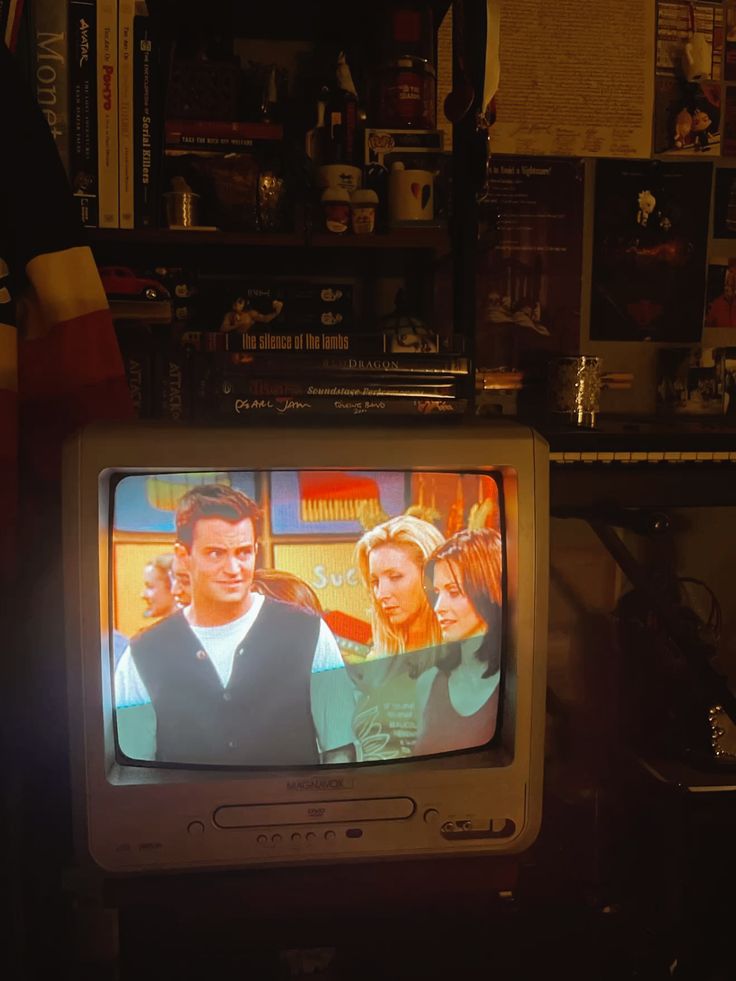
Television shows such as Friends and Beverly Hills, 90210 became important sources of style inspiration. Their characters reflected different aspects of 1990s life, from relaxed urban wardrobes to polished teenage fashion.
The decade also saw the early expansion of the internet, which would gradually change the way people discovered information, music, and fashion. Although magazines and television remained dominant sources of inspiration, digital culture was beginning to reshape communication.
The 1990s did not have one universal definition of cool. Instead, they offered a wide range of styles that allowed individuality to flourish.
Interior Design: Minimalism and Contemporary Comfort
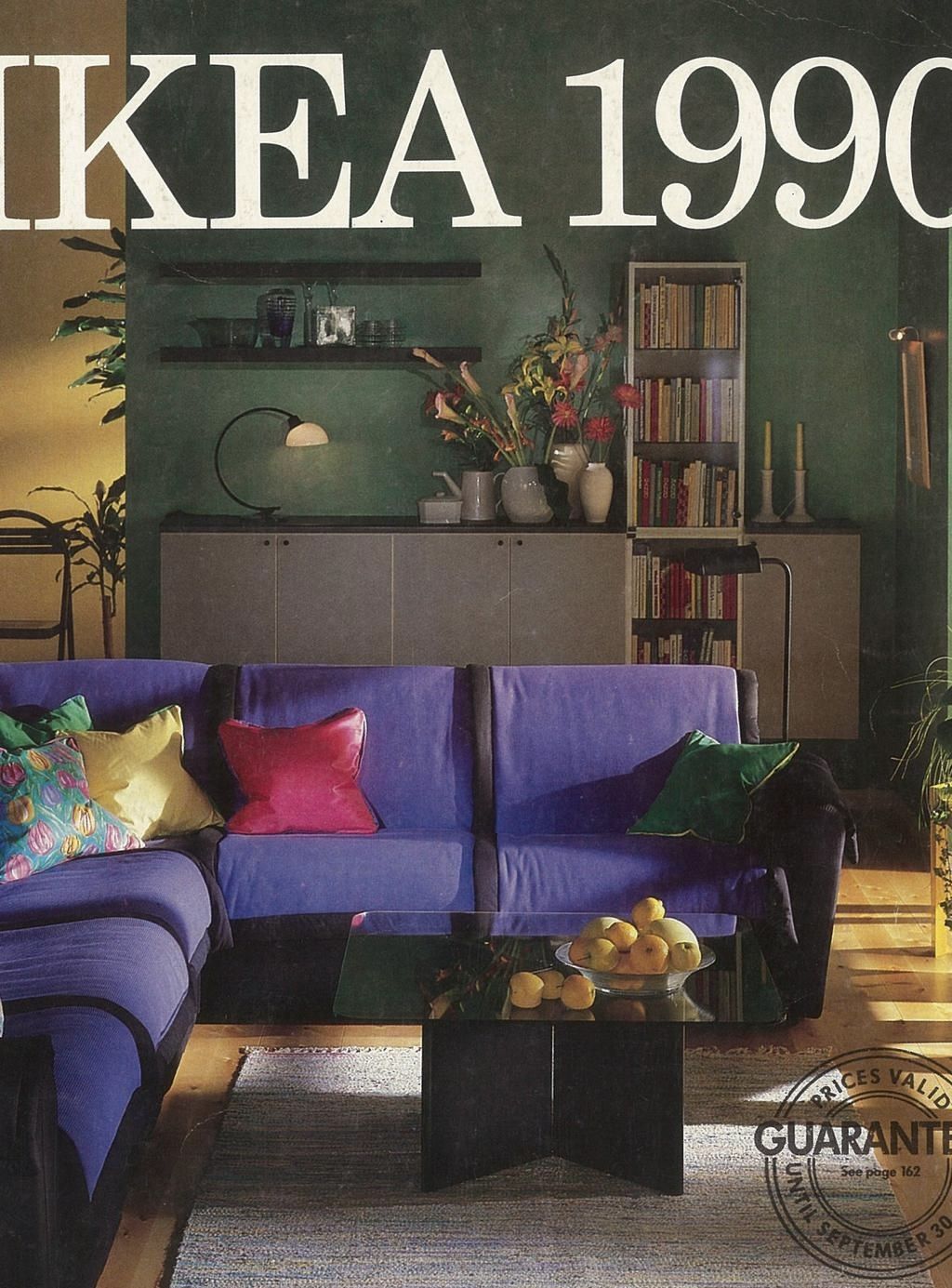
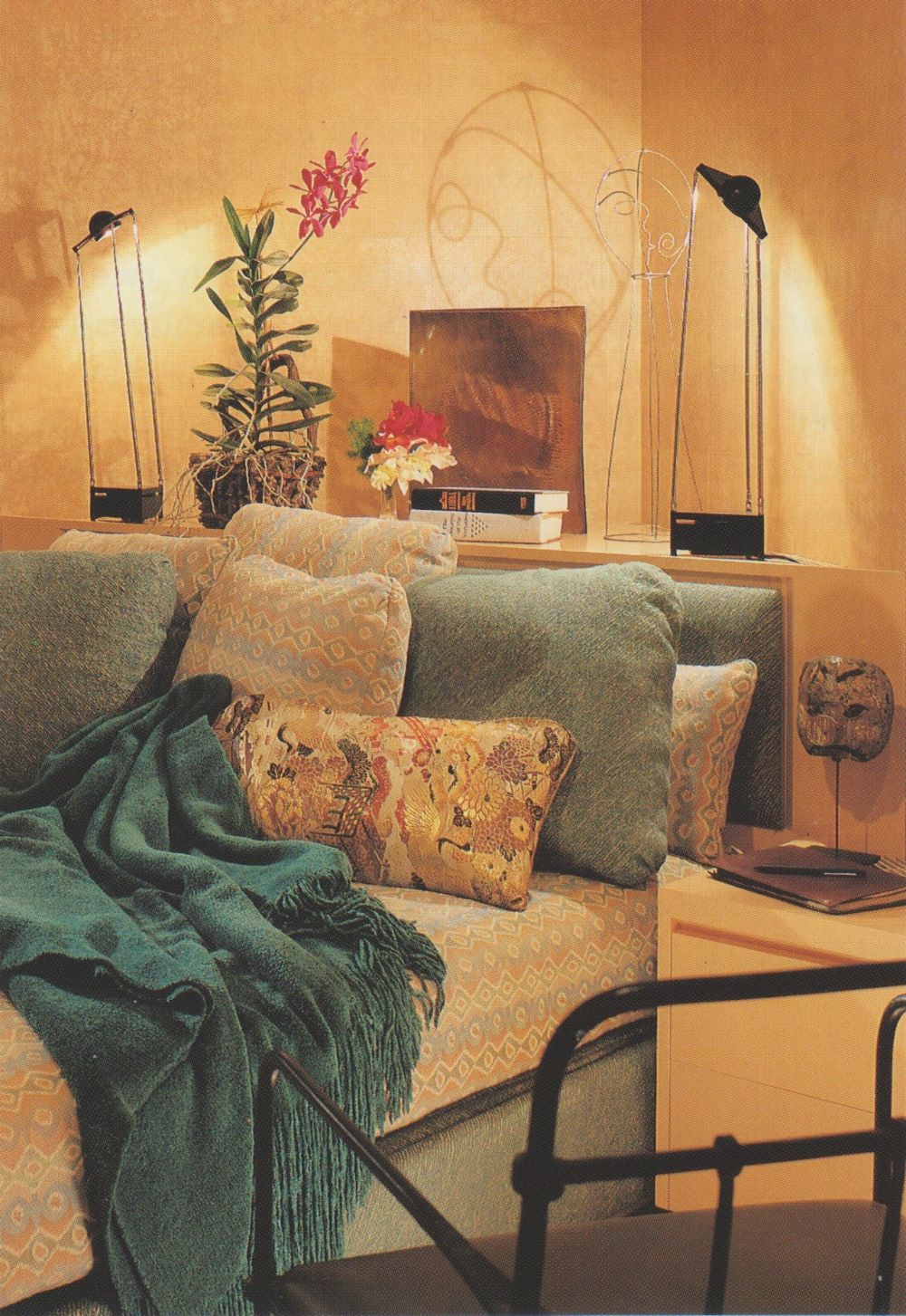
Interior design in the 1990s moved toward simpler spaces, neutral colors, and practical furniture. Compared with the bold colors and decorative excess associated with parts of the 1980s, many interiors embraced a calmer and more restrained aesthetic.
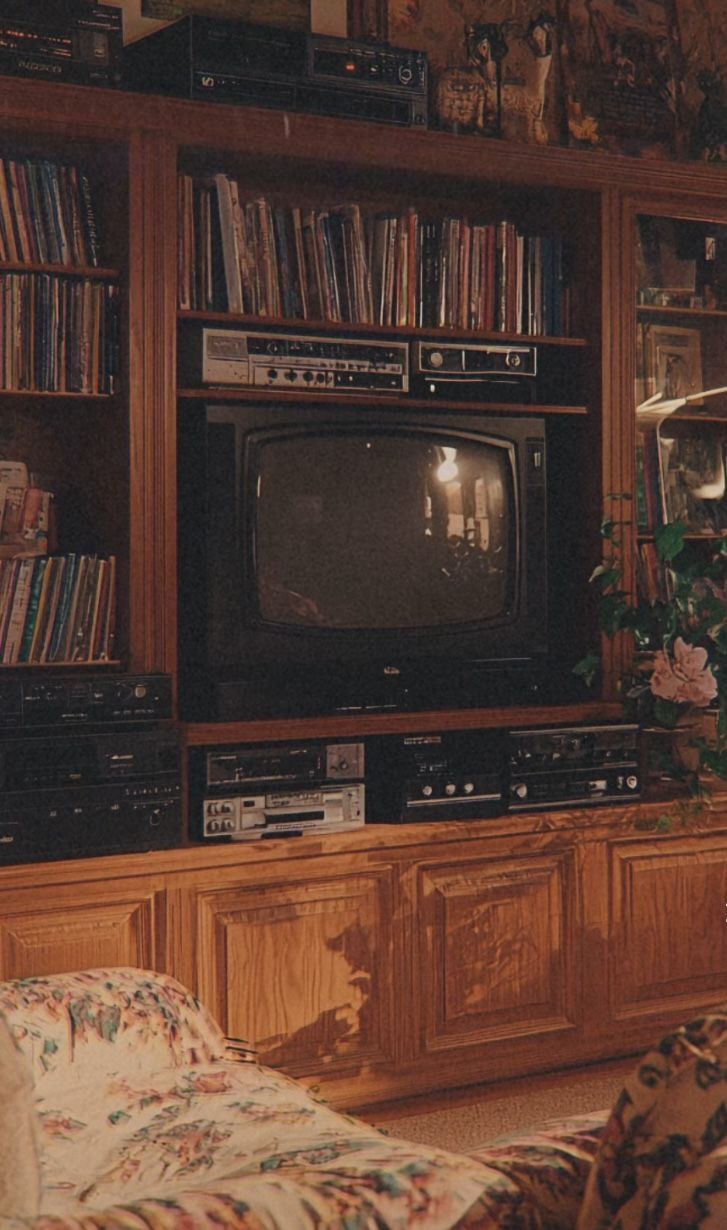
Cream, beige, white, gray, and soft brown became popular choices for walls, furniture, and textiles. Natural wood, comfortable sofas, simple curtains, and understated decorative objects created relaxed living spaces.
Minimalist influences encouraged people to reduce visual clutter and focus on function. Clean-lined furniture, glass tables, and uncomplicated lighting helped create interiors that felt modern without being overly formal.
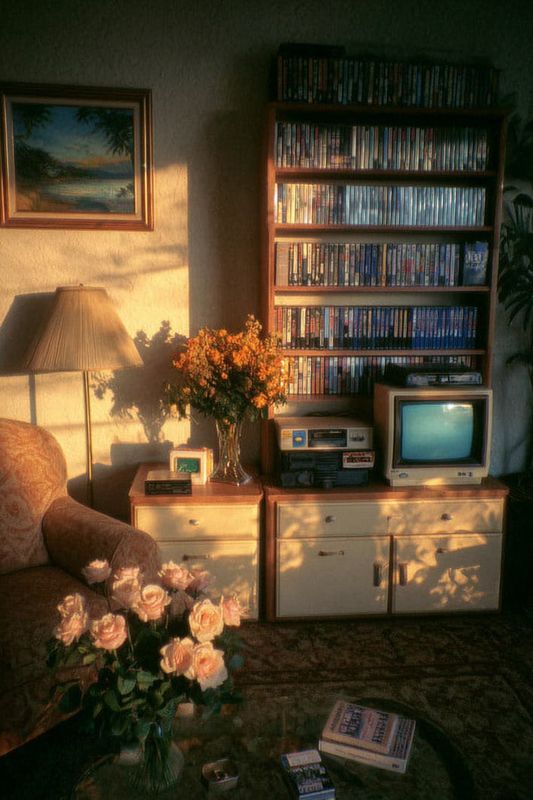
At the same time, traditional and cozy styles remained popular. Floral upholstery, patterned curtains, wooden cabinets, and decorative accessories continued to appear in family homes, demonstrating that the decade was not defined by minimalism alone.
Technology also became more visible in domestic spaces. Televisions, stereo systems, computers, and entertainment equipment increasingly shaped the arrangement of living rooms and home offices.
The interiors of the 1990s reflected a desire for comfort, practicality, and simplicity. Their understated character continues to appeal to those who prefer timeless spaces over rapidly changing trends.
Everyday Life: Casual Style and Changing Technology
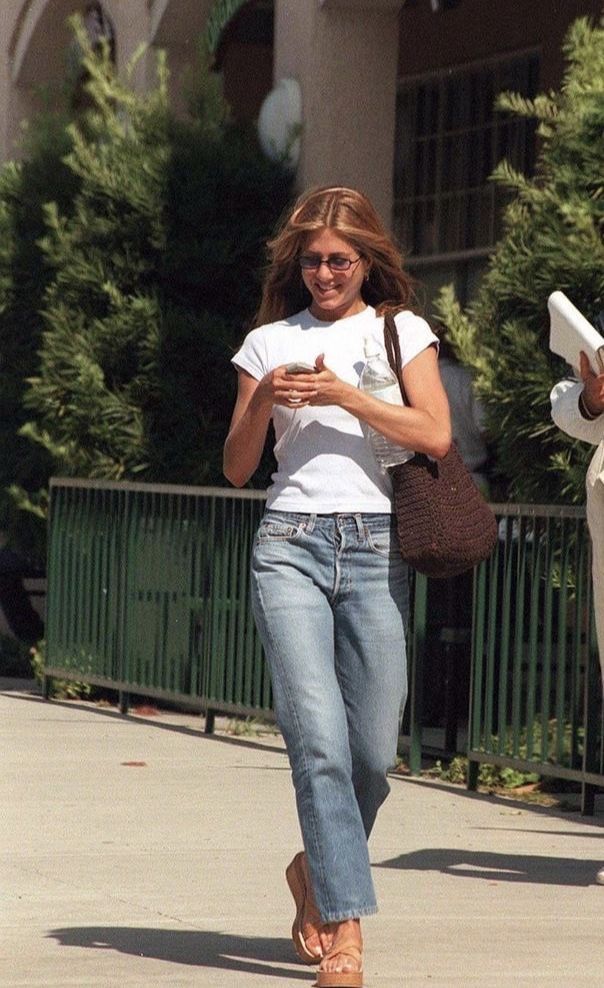
Everyday fashion in the 1990s prioritized comfort and versatility. Jeans, basic T-shirts, knitwear, sneakers, flannel shirts, and simple jackets formed the foundation of many wardrobes.
Layering was especially popular. A dress could be worn over a T-shirt, a cardigan could soften a minimalist outfit, and an oversized jacket could transform a simple combination into a recognizable 1990s look.
Accessories often remained understated. Small shoulder bags, simple chokers, oval sunglasses, hair clips, and compact backpacks became popular additions to everyday outfits.
Technology gradually changed daily life throughout the decade. Personal computers became more common, mobile phones began to spread, and the internet opened new possibilities for communication and information. These developments were not equally accessible everywhere, but they helped establish the foundations of the digital culture that would define the following decades.
Television, music magazines, fashion editorials, and films continued to influence how people dressed. Celebrities and fictional characters offered style inspiration, while vintage shopping and secondhand clothing provided opportunities to create individual looks.
The everyday aesthetic of the 1990s was built around adaptability. Clothing did not always need to be elaborate to make an impression; often, a few simple pieces combined thoughtfully created the most memorable outfits.
Iconic Style Inspirations of the 1990s
Several figures continue to define the decade’s fashion and beauty.
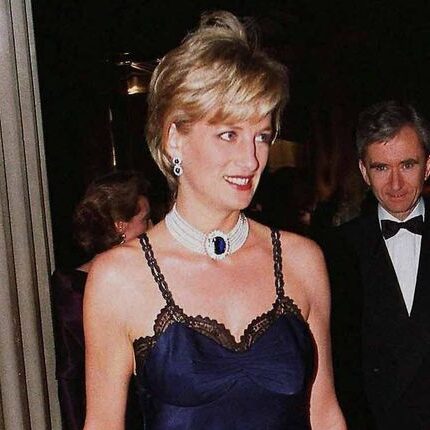
Princess Diana embraced a more relaxed personal style during the 1990s, wearing oversized sweatshirts, cycling shorts, casual denim, and elegant minimalist outfits. Her off-duty looks remain influential in contemporary fashion.
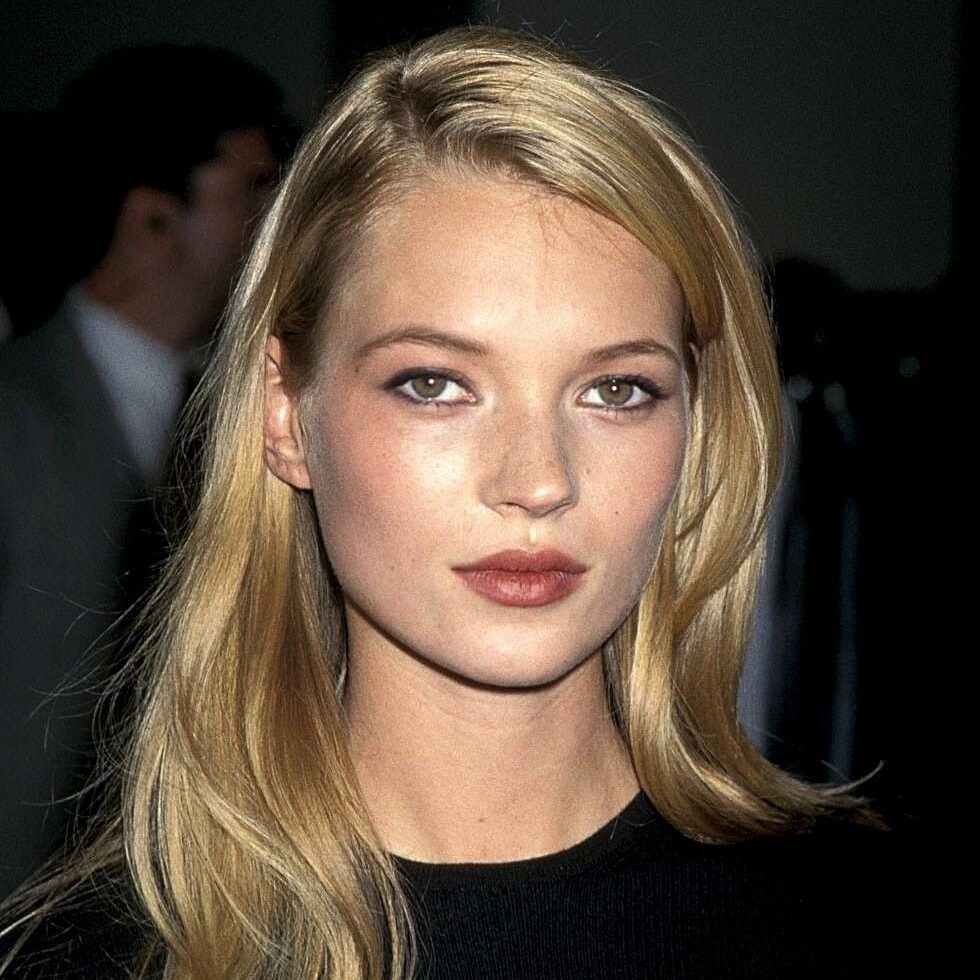
Kate Moss became one of the defining faces of 1990s minimalism. Her understated outfits, slip dresses, simple jeans, and effortless appearance helped establish the decade’s less-is-more aesthetic.
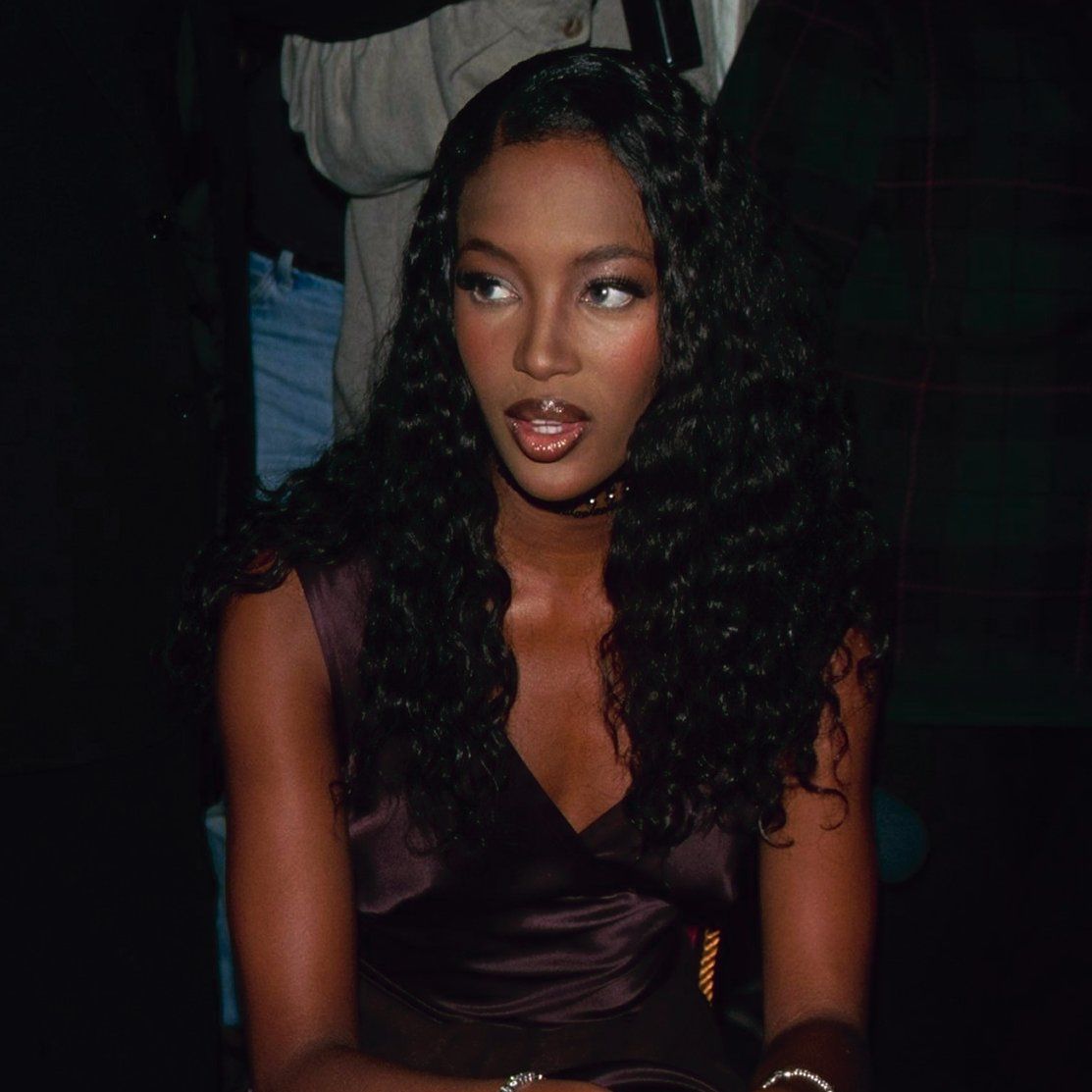
Naomi Campbell represented the glamour of the supermodel era. Her striking runway presence and elegant editorial appearances helped shape the fashion industry’s image of the 1990s.
Jennifer Aniston, through her role as Rachel Green in Friends, became a major source of inspiration for hairstyles and casual fashion. Her character’s wardrobe combined fitted tops, simple dresses, denim, and relaxed tailoring.
Gwyneth Paltrow embodied the decade’s understated sophistication through minimalist dresses, clean silhouettes, and elegant red-carpet appearances.
Aaliyah influenced streetwear with her oversized trousers, crop tops, baseball caps, and relaxed combinations. Her style blended comfort, confidence, and a distinctive sense of individuality.
Together, these figures illustrate the many sides of 1990s style, from supermodel glamour to minimalist elegance and relaxed streetwear.
Princess Diana
Kate Moss
Naomi Campbell
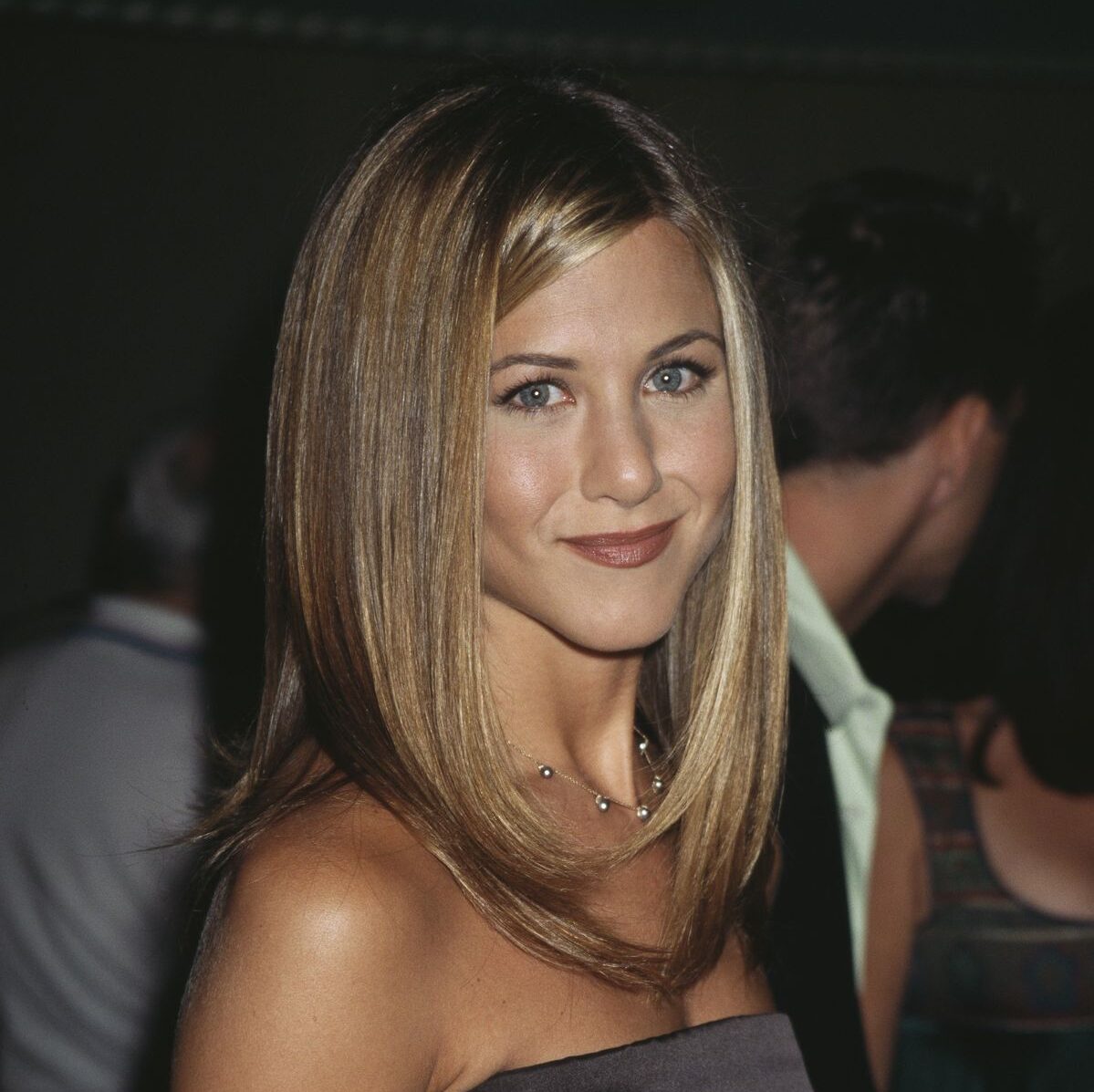
Jennifer Aniston
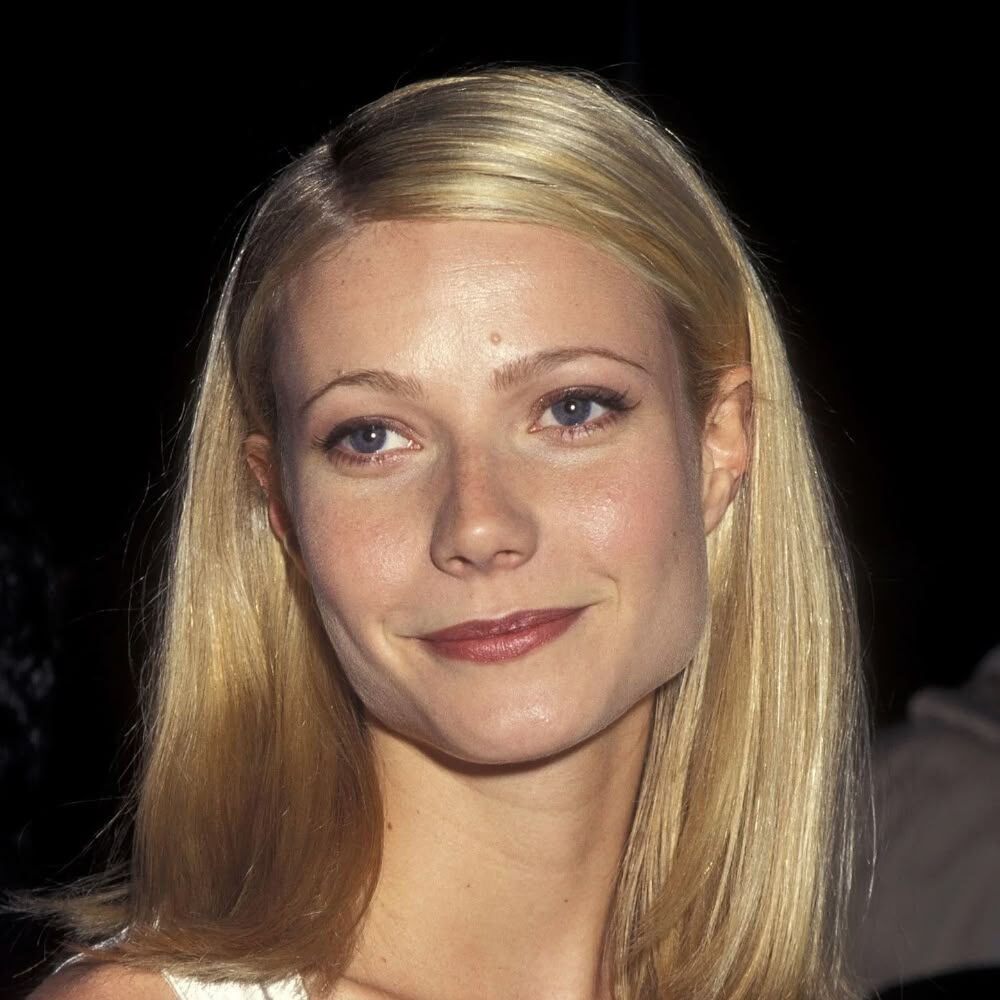
Gwyneth Paltrow
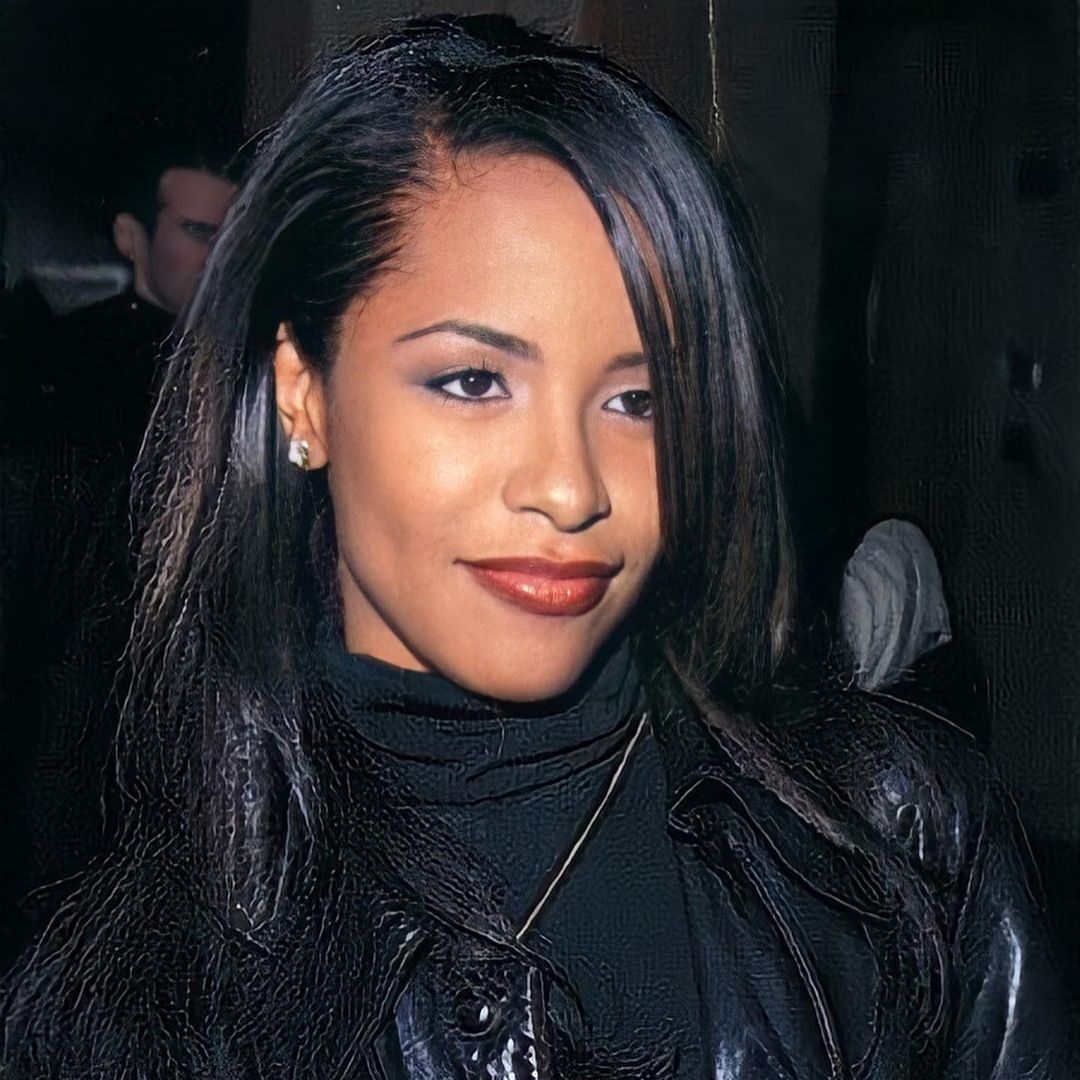
Aaliyah
Why the 1990s Still Inspire Us
The influence of the 1990s remains visible in contemporary fashion. Slip dresses, straight-leg jeans, oversized blazers, leather jackets, simple white T-shirts, and small shoulder bags continue to appear in modern collections.
The decade’s minimalist aesthetic offers an appealing alternative to more extravagant trends. Its emphasis on clean lines, versatile pieces, and understated colors makes many 1990s looks easy to reinterpret for contemporary wardrobes.
At the same time, grunge and streetwear continue to inspire designers who value individuality and relaxed styling. The decade’s films, music, and television shows also remain important sources of nostalgia, offering visual references that feel both familiar and timeless.
Perhaps the greatest lesson of the 1990s is that style does not need to be complicated to be memorable. A simple dress, a well-worn jacket, or a carefully chosen accessory can communicate personality just as effectively as an elaborate outfit.
For vintage enthusiasts, the 1990s offer a world of contrasts: polished minimalism, rebellious youth culture, romantic cinema, and the beginning of a new digital age.
The 1990s were a decade of understated elegance, creative rebellion, and changing cultural identities. From the simplicity of minimalist fashion to the expressive energy of grunge and pop culture, the era offered countless ways to define personal style.
Its lasting influence reminds us that fashion is not only about following trends, but also about finding pieces that reflect who we are. The most memorable looks of the decade often combined simplicity with individuality, creating an aesthetic that remains relevant long after the original trends have passed.
The spirit of the 1990s lives on wherever timeless basics meet vintage nostalgia — proving that true style does not always need to make a statement. Sometimes, its quiet confidence is what makes it unforgettable.