
The Roaring Twenties: An Era of Glamour, Jazz, and New Beginnings
The decade that redefined fashion, music, and the meaning of modern elegance.
The 1920s remain one of the most fascinating decades of the twentieth century. Often remembered for their dazzling parties, jazz-filled nights, and effortless glamour, the Roaring Twenties marked a period of profound cultural change. It was an era when traditions began to loosen their grip, new ideas flourished, and a fresh sense of freedom found its way into everyday life.
From the shimmering dresses of the Jazz Age to the silver screens of early Hollywood, the decade created an aesthetic that continues to inspire fashion, cinema, and popular culture nearly a century later.
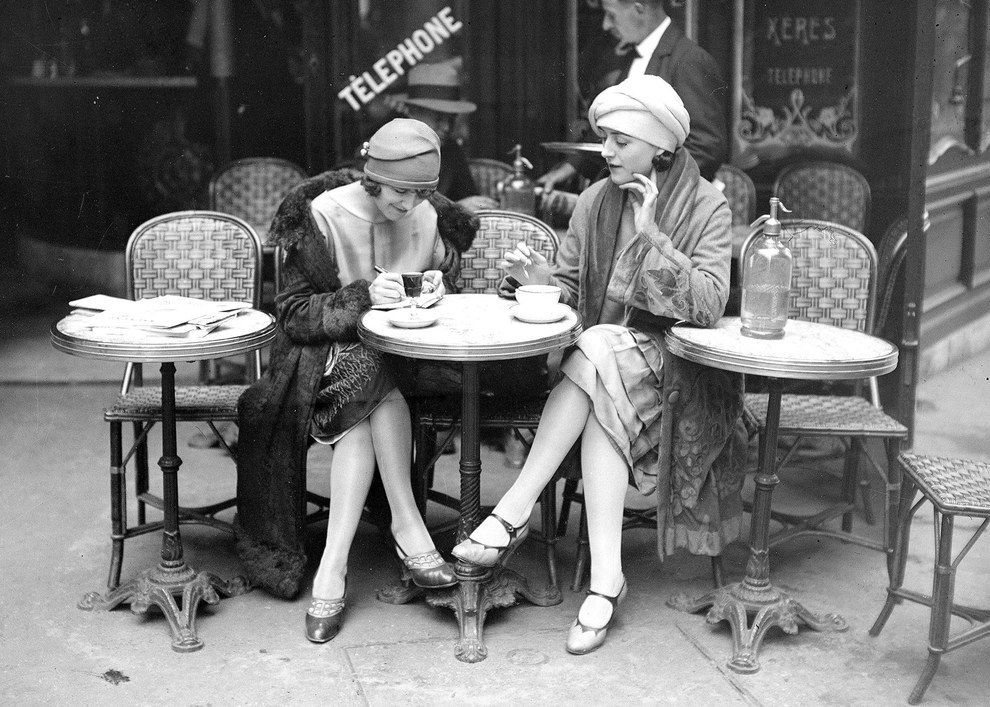
The Fashion Revolution
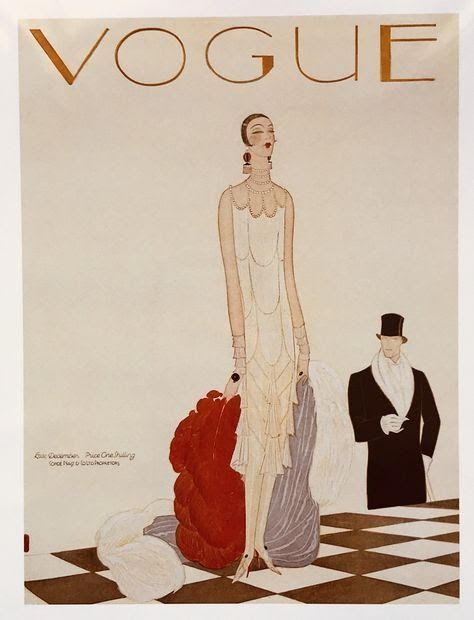
Few decades transformed women’s fashion as dramatically as the 1920s. After the restrictive silhouettes of the previous era, clothing became lighter, looser, and more practical. The fashionable silhouette shifted towards a straighter figure, with dropped waists, shorter hemlines, and dresses designed for movement.
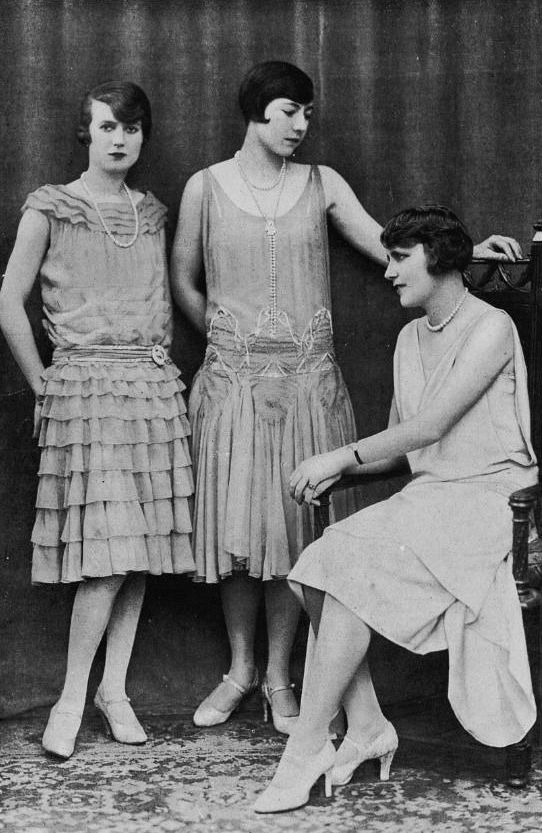
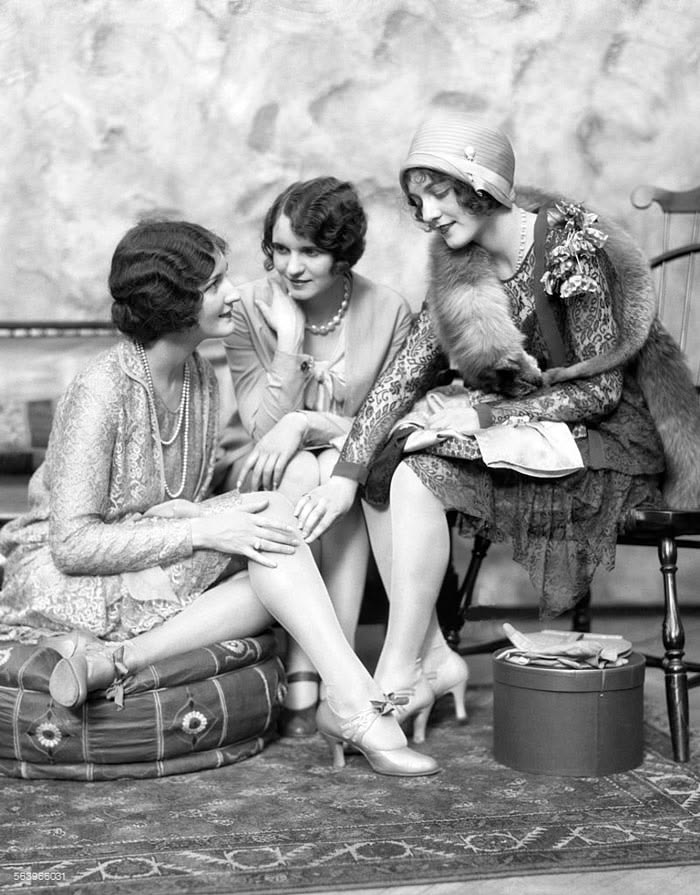
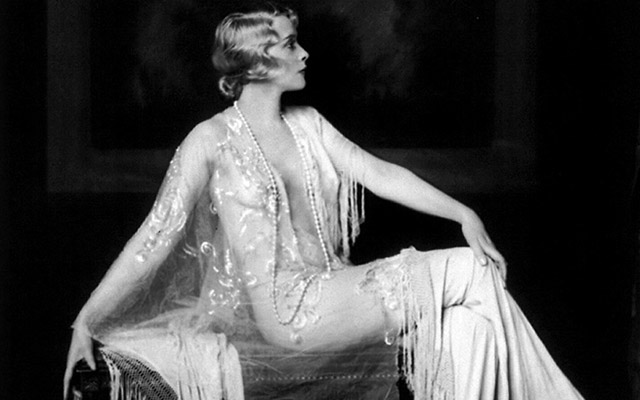
Eveningwear embraced luxurious fabrics, intricate embroidery, sequins, and fringe that shimmered beneath the lights of crowded dance halls. Meanwhile, designers such as Coco Chanel helped popularise a more relaxed approach to elegance, proving that simplicity could be just as striking as extravagance.
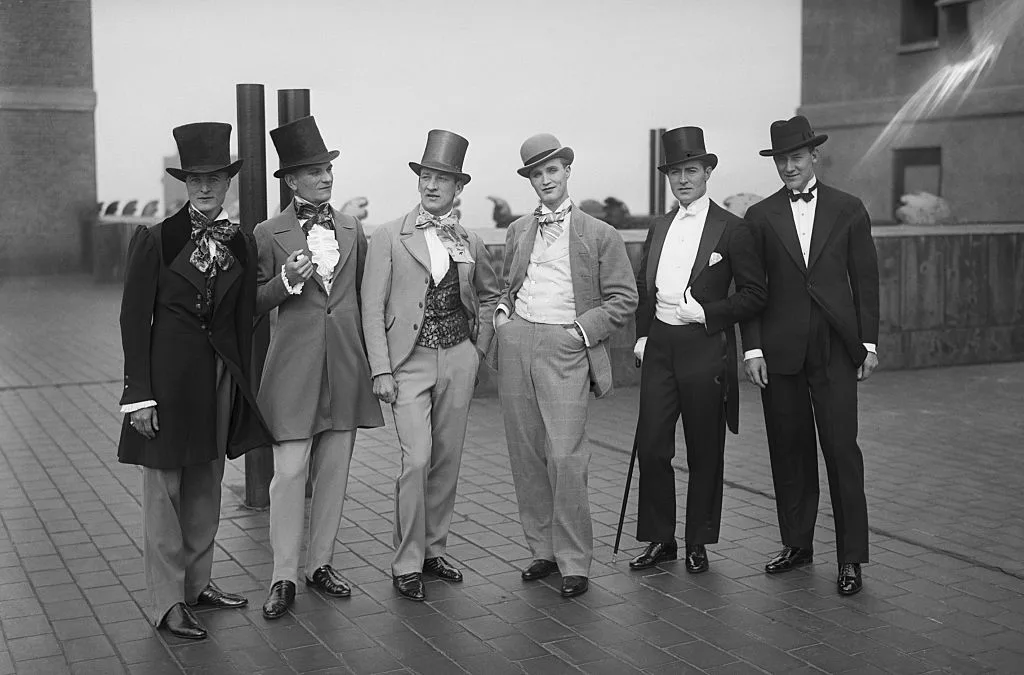
Yet the fashion of the decade was not defined by flappers alone. Elegant gowns, tailored suits, embroidered coats, and beautifully detailed accessories remained essential elements of 1920s style.
The Sound of the Jazz Age
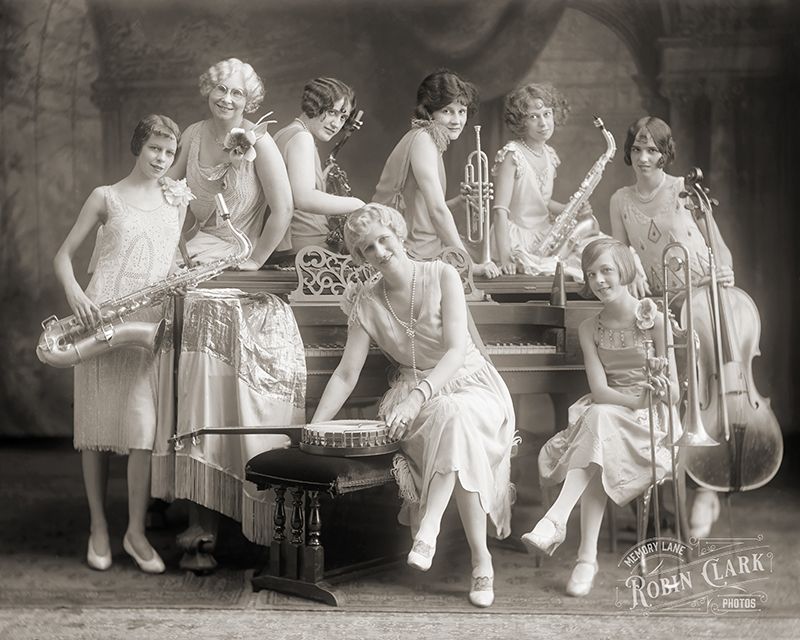
Music gave the 1920s their unmistakable rhythm. Jazz spread from African American musical communities into dance halls, clubs, and popular entertainment across the United States and beyond. Its syncopated rhythms and improvisational spirit captured the energy of a changing world.
Artists such as Louis Armstrong, Duke Ellington, and Bessie Smith helped shape the sound of the era. In Harlem, the Harlem Renaissance brought extraordinary creativity to music, literature, and the arts, celebrating Black cultural expression and influencing American culture for generations to come.
The Charleston became one of the decade’s defining dances, while jazz bands provided the soundtrack to glamorous evenings and lively celebrations. Music was no longer simply something to listen to; it was something to experience, dance to, and make part of one’s identity.
Hollywood and the Silver Screen
The 1920s were a golden chapter in the development of cinema. Silent films reached enormous audiences, and movie stars became international icons whose hairstyles, clothing, and mannerisms influenced everyday life.
Figures such as Clara Bow, Gloria Swanson, and Louise Brooks embodied different aspects of the decade’s glamour. Clara Bow became associated with the spirited flapper image, Gloria Swanson was admired for her sophisticated screen presence, and Louise Brooks became unforgettable for her sleek black bob.
Cinema also helped establish the visual language of the era: dramatic lighting, elaborate costumes, grand interiors, and expressive close-ups. Before dialogue transformed the industry at the end of the decade, actors communicated emotion through gesture, expression, and movement.
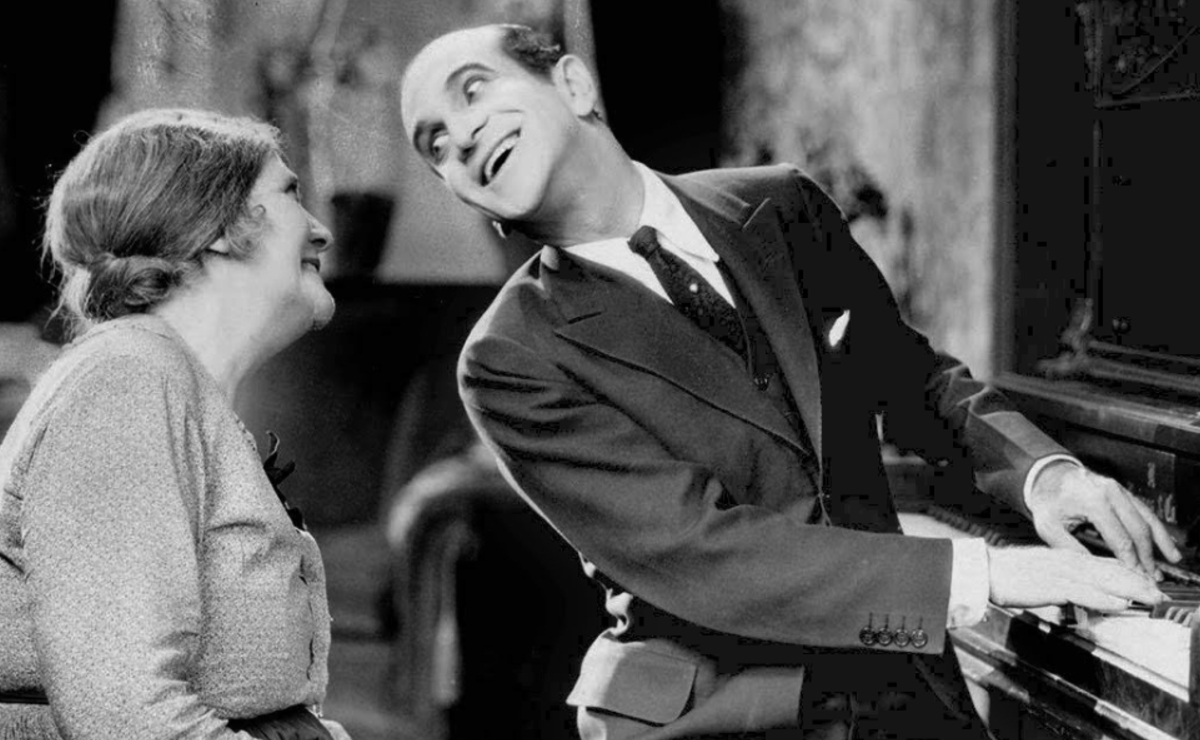
In 1927, The Jazz Singer introduced synchronised dialogue and singing in a feature-length film, becoming a landmark in the transition from silent cinema to sound. The world of film was changing, and a new chapter in entertainment was beginning.
Art Deco: The Beauty of Modernity
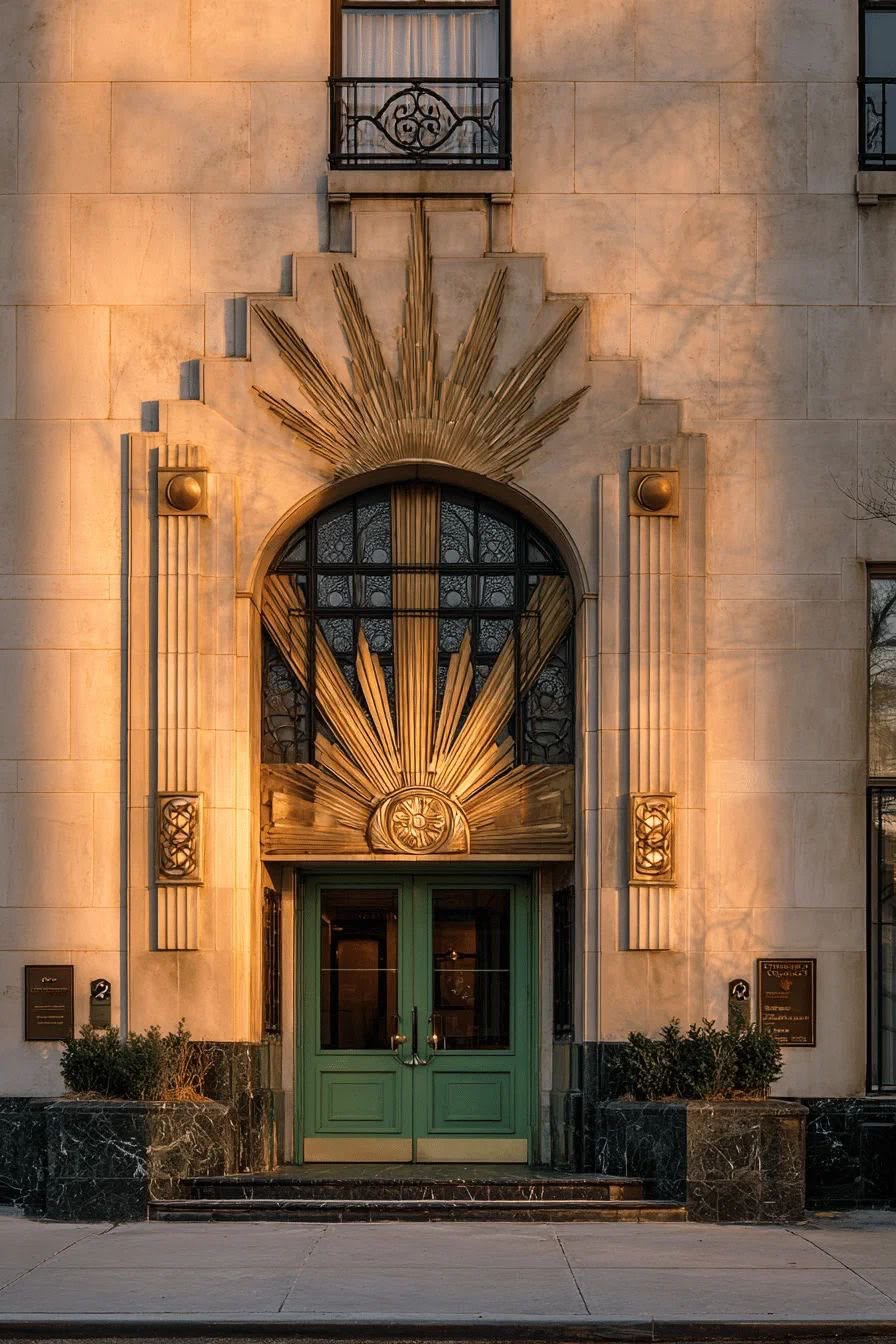
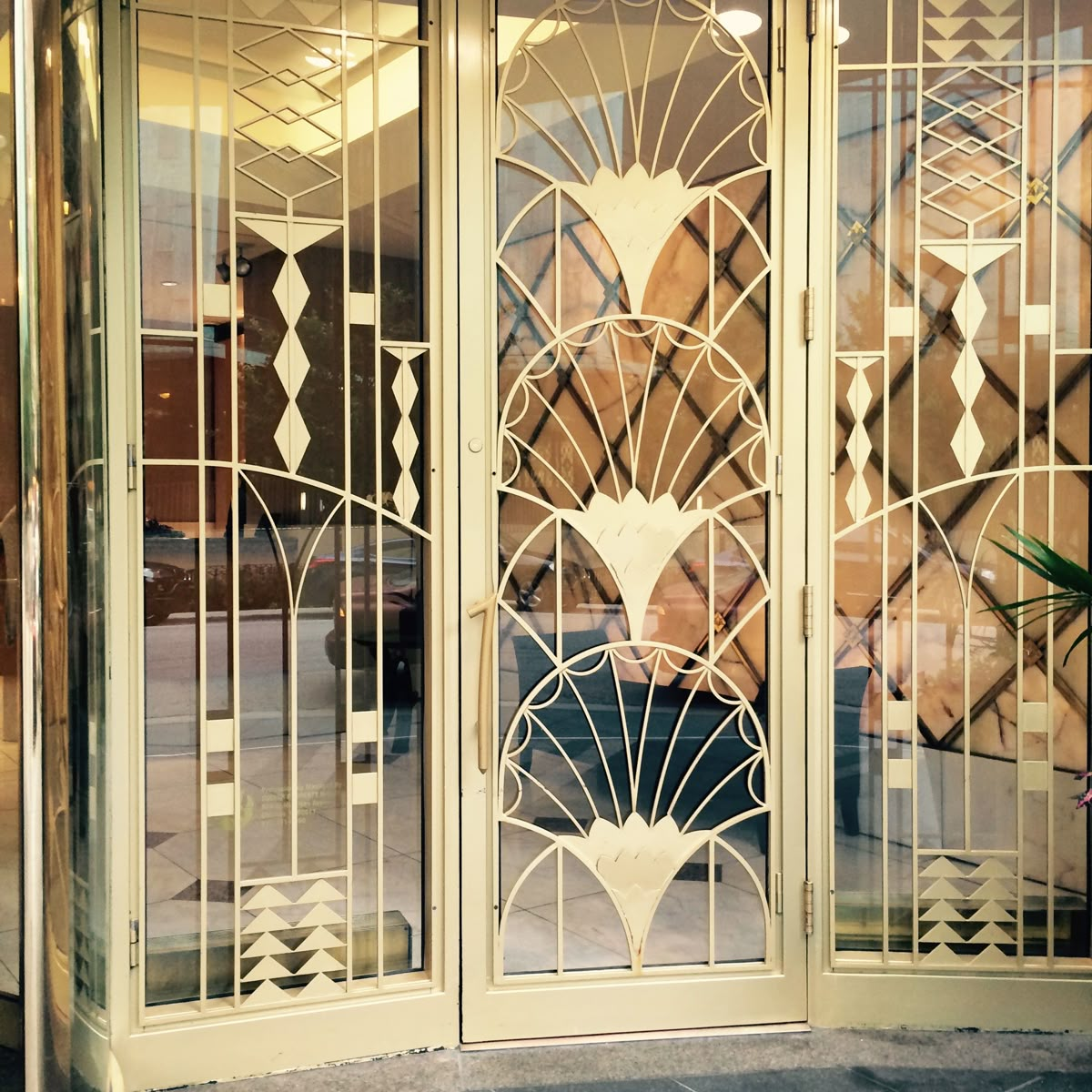
The visual identity of the 1920s extended far beyond fashion and cinema. Art Deco emerged as one of the decade’s most recognisable design movements, celebrating modernity through geometric shapes, symmetrical patterns, luxurious materials, and bold decorative details.
Gold accents, polished metal, black-and-white contrasts, stylised sunbursts, and elegant architectural lines became defining features of the style. From jewellery and furniture to theatres and skyscrapers, Art Deco brought a sense of sophistication to the modern world.
Its influence remains especially visible in vintage-inspired interiors, typography, accessories, and graphic design. The style managed to feel both futuristic and timeless, making it one of the most enduring legacies of the decade.
The Spirit of the Roaring Twenties
Behind the glamour, the 1920s were a decade of contradictions. Technological progress, expanding consumer culture, and changing social attitudes existed alongside economic inequality, racial discrimination, and political tensions. In the United States, Prohibition drove the rise of illegal speakeasies, while the decade’s final years culminated in the Wall Street Crash of 1929.
Nevertheless, the period left an extraordinary cultural legacy. It encouraged new forms of self-expression, transformed entertainment, and challenged established ideas about how people should dress, dance, and live.
The Roaring Twenties were not simply a decade of parties and beautiful clothes. They were a turning point in modern culture, when the past and the future seemed to meet beneath the glow of city lights.
Why We Still Love the 1920s
Nearly a century later, the appeal of the 1920s remains undeniable. Perhaps it is the elegance of a beaded evening gown, the melancholy beauty of a black-and-white film, or the irresistible sound of a jazz trumpet drifting through the night.
The decade offers a world of contrasts: simplicity and extravagance, tradition and rebellion, romance and modernity. Its fashion continues to inspire contemporary designers, its music remains alive in modern interpretations, and its films preserve the faces and dreams of another age.
The 1920s remind us that style is more than clothing, and nostalgia is more than a longing for the past. It is a way of rediscovering the details, ideas, and creative spirit that make an era unforgettable.
Some decades leave behind memories. The Roaring Twenties left behind an entire aesthetic.
Discover the next chapter of vintage history — [Explore the 1930s →]