
The 1930s: An Era of Timeless Elegance and Hollywood Glamour
From the silver screen to the streets of Paris, the 1930s transformed fashion, cinema, and popular culture into a world of extraordinary elegance, quiet resilience, and unforgettable style.
The 1930s were a decade of contrasts. The world was struggling through the Great Depression, yet cinema offered an escape into a world of romance, sophistication, and dazzling beauty. Hollywood became a symbol of glamour, Paris remained a centre of haute couture, and music filled dance halls with rhythms that made people forget their worries, if only for a little while.
Despite the economic uncertainty of the era, the decade gave rise to some of the most enduring fashion silhouettes, iconic film stars, and cultural movements of the twentieth century. From flowing silk gowns and sharply tailored suits to Art Deco interiors and the unmistakable glow of black-and-white cinema, the 1930s created an aesthetic that continues to inspire us nearly a century later.
Fashion: The Art of Effortless Elegance
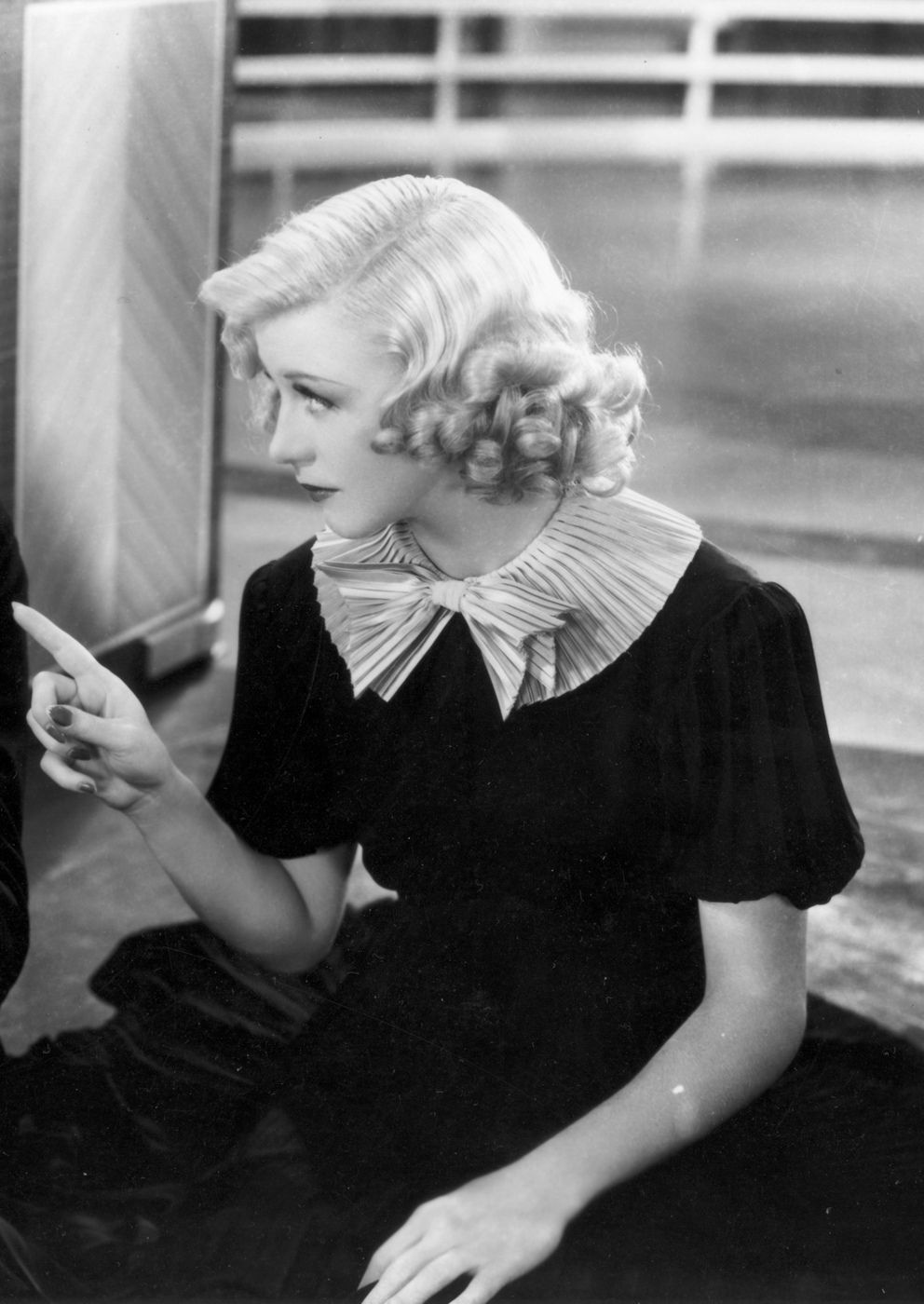
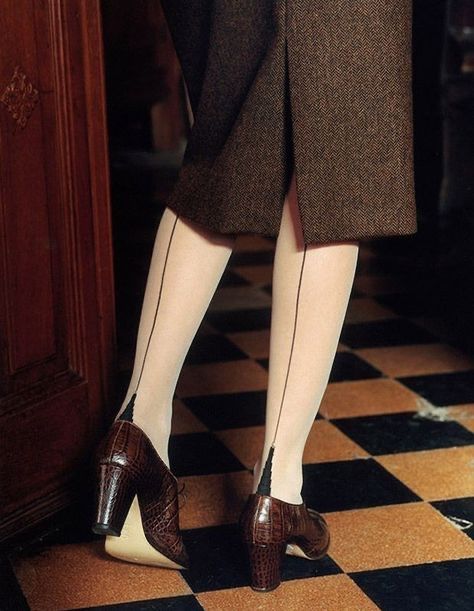
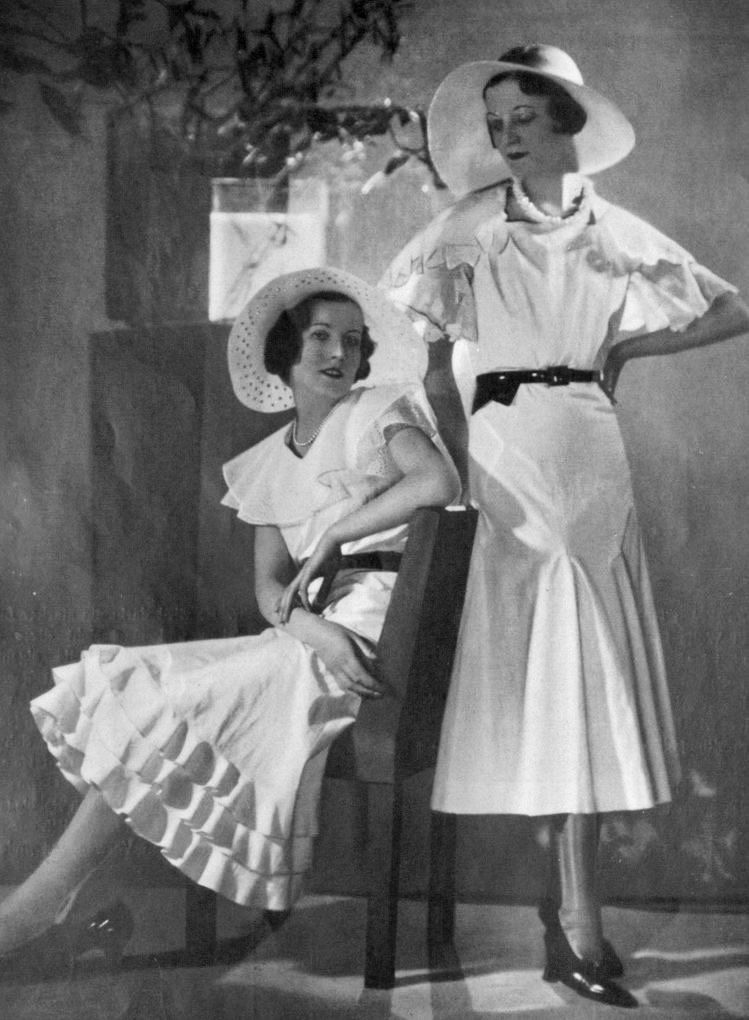
Fashion in the 1930s was defined by femininity, refinement, and an appreciation for the natural silhouette. While the previous decade had celebrated the loose, boyish shapes of the Roaring Twenties, the thirties introduced softer lines, longer hemlines, and a more graceful approach to dressing.
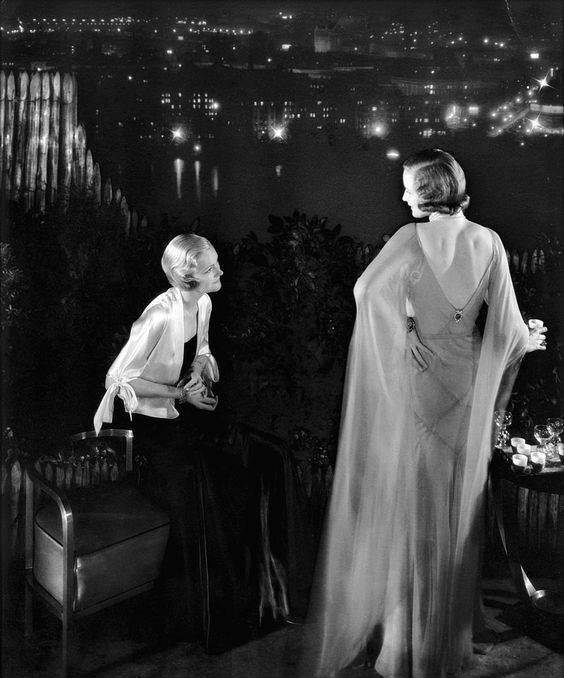
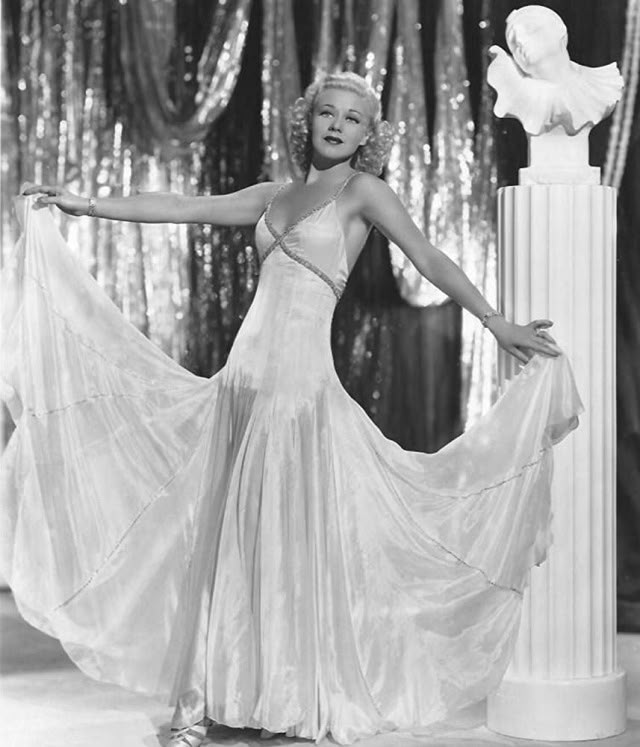
Dresses followed the contours of the body, often featuring defined waists, flowing skirts, and elegant draping. Bias-cut gowns, popularised by French designers such as Madeleine Vionnet, created a fluid silhouette that moved beautifully with the wearer. Satin, silk, velvet, and delicate chiffon were favoured for eveningwear, while day dresses were often made from more practical fabrics.
Hollywood played a significant role in shaping these ideals. Actresses appeared in sophisticated gowns with dramatic backs, cowl necklines, and intricate detailing. Their wardrobes offered an alluring vision of luxury at a time when many ordinary people had to make do with less.
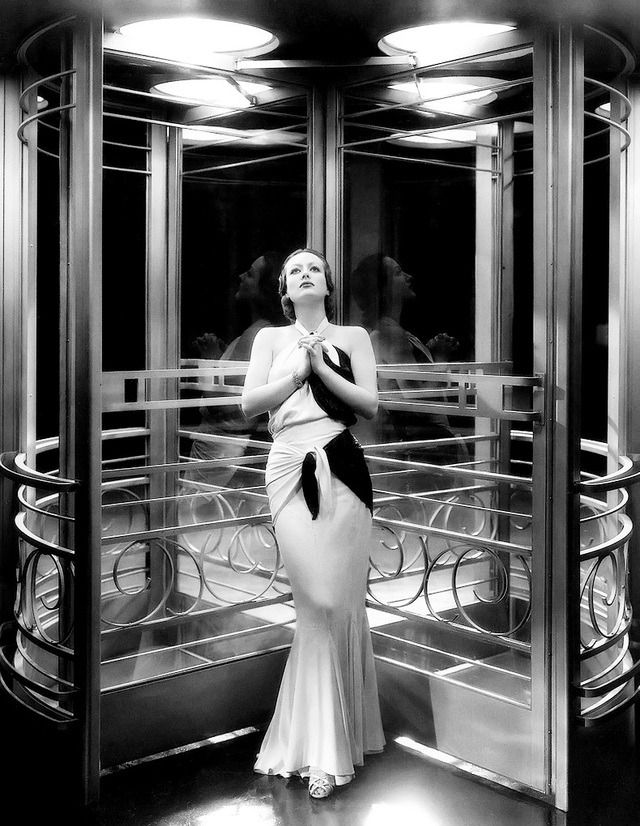
For everyday wear, women embraced tailored jackets, modest day dresses, knitted sweaters, and practical skirts. Hats, gloves, and carefully chosen accessories completed an outfit. Even a relatively simple ensemble could appear polished when paired with the right details.
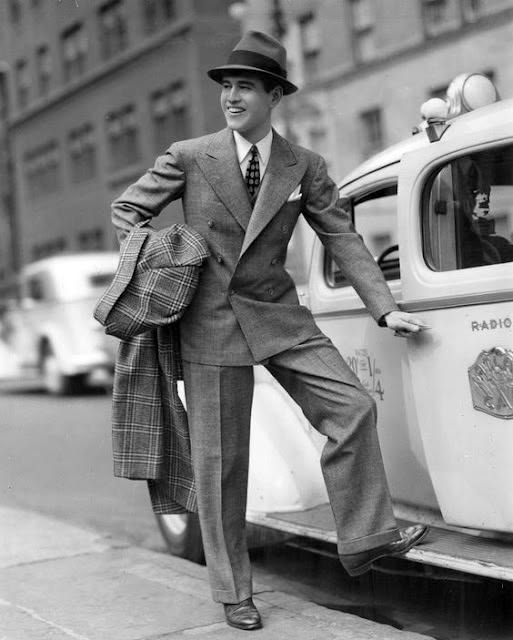
Men’s fashion was equally distinctive. High-waisted trousers, double-breasted suits, broad shoulders, and structured jackets created a confident, masculine silhouette. Waistcoats, polished leather shoes, fedoras, and pocket squares added the finishing touches.
The defining quality of 1930s fashion was not excess, but intention. Clothing was designed to flatter, last, and make an impression through cut, fabric, and detail.
Hollywood’s Golden Age: Dreams in Black and White
If the 1920s introduced the world to the magic of silent cinema, the 1930s demonstrated the full power of the talking picture. Sound transformed filmmaking, musical performances became more sophisticated, and audiences discovered the pleasure of hearing their favourite stars speak and sing.
Hollywood’s major studios produced romantic dramas, screwball comedies, lavish musicals, mysteries, and historical epics. The silver screen became a place where ordinary worries could briefly disappear, replaced by stories of passion, ambition, humour, and adventure.
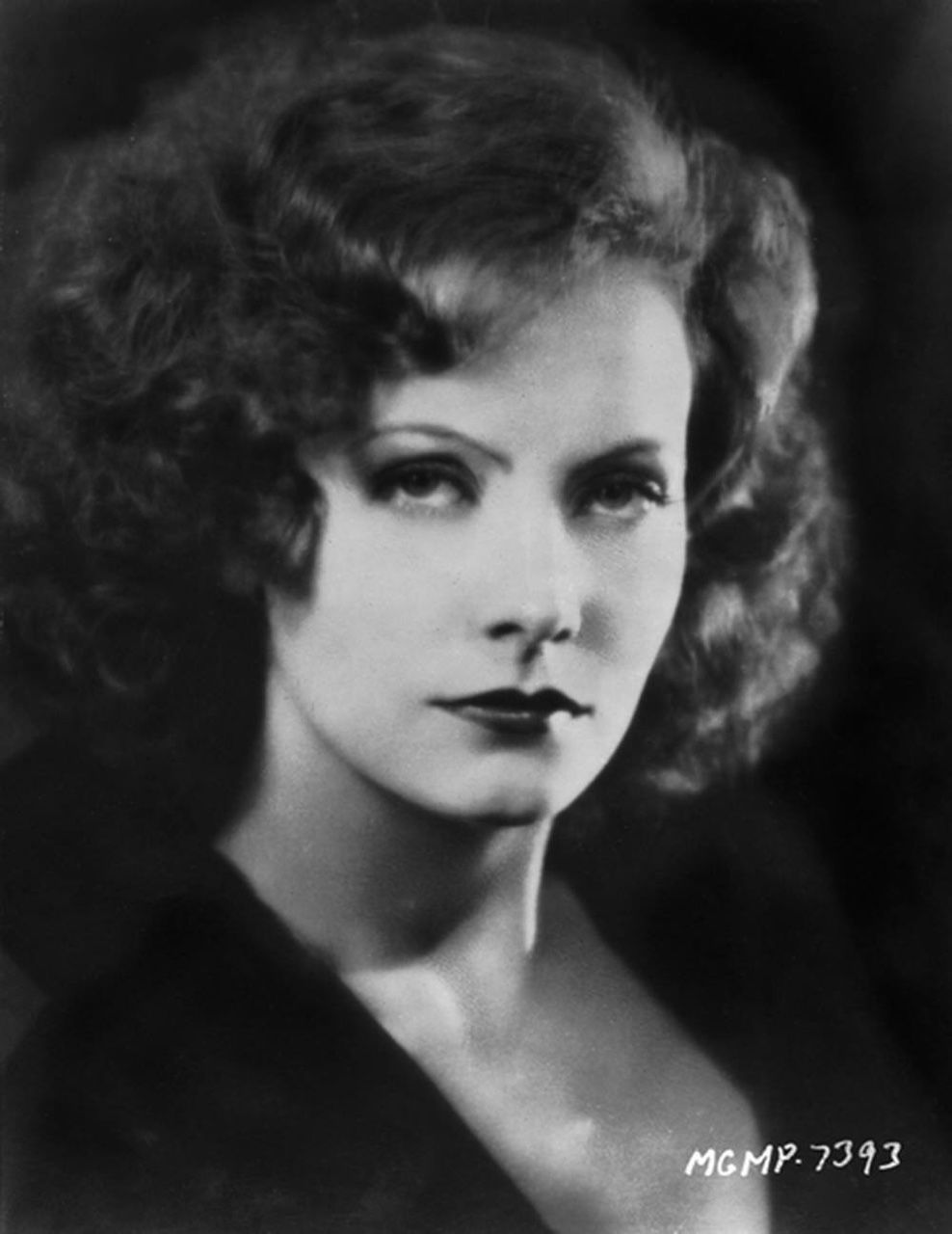
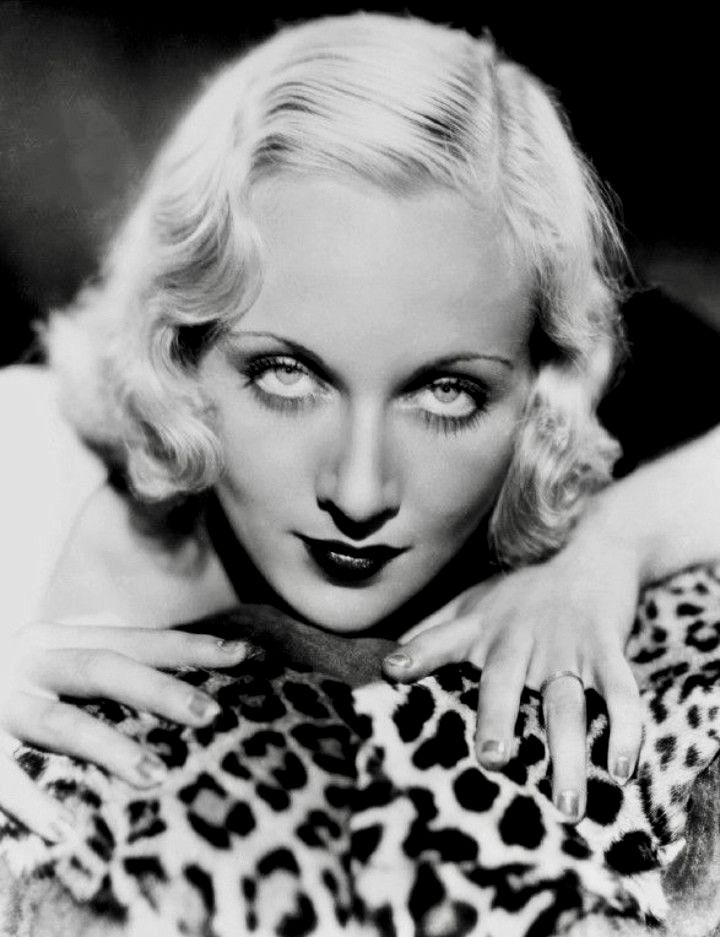
Among the decade’s most memorable stars were Greta Garbo, Marlene Dietrich, Jean Harlow, Joan Crawford, Bette Davis, and Carole Lombard. Each possessed a distinctive screen presence, from Garbo’s mysterious elegance to Lombard’s sparkling comic charm.
Their influence extended far beyond cinema. Hairstyles, makeup, evening gowns, and even the way women posed for photographs were shaped by the images appearing on movie screens and in magazines.
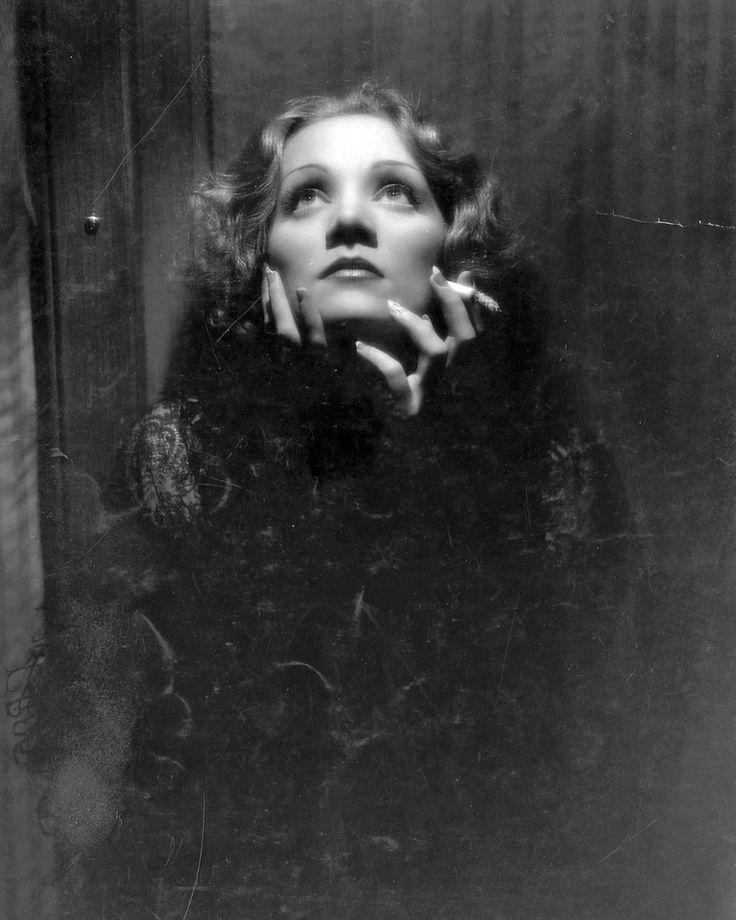
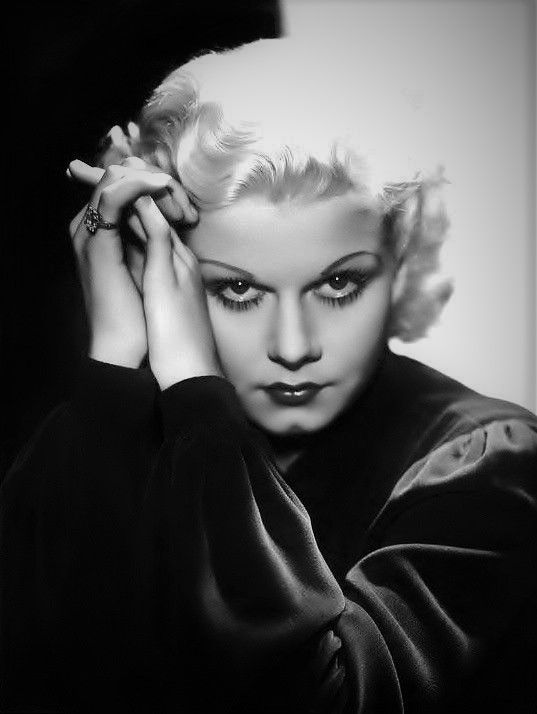
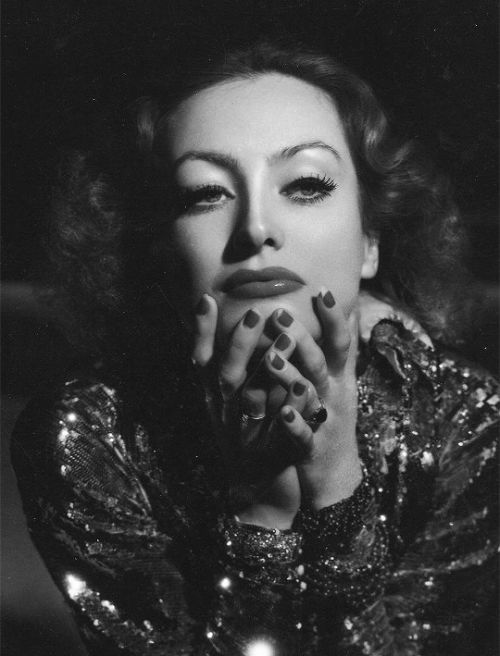
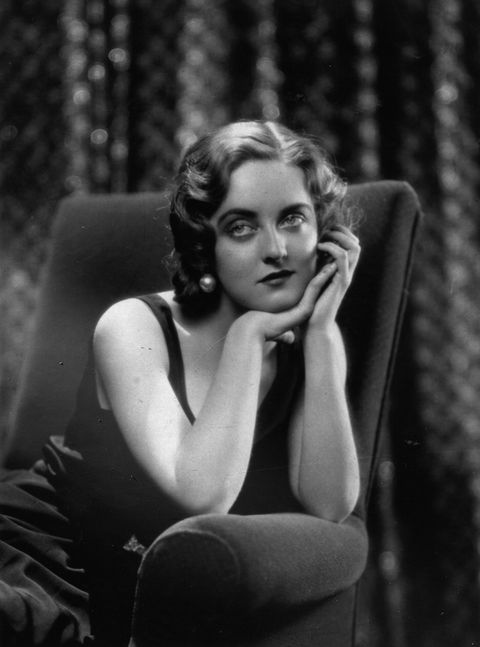
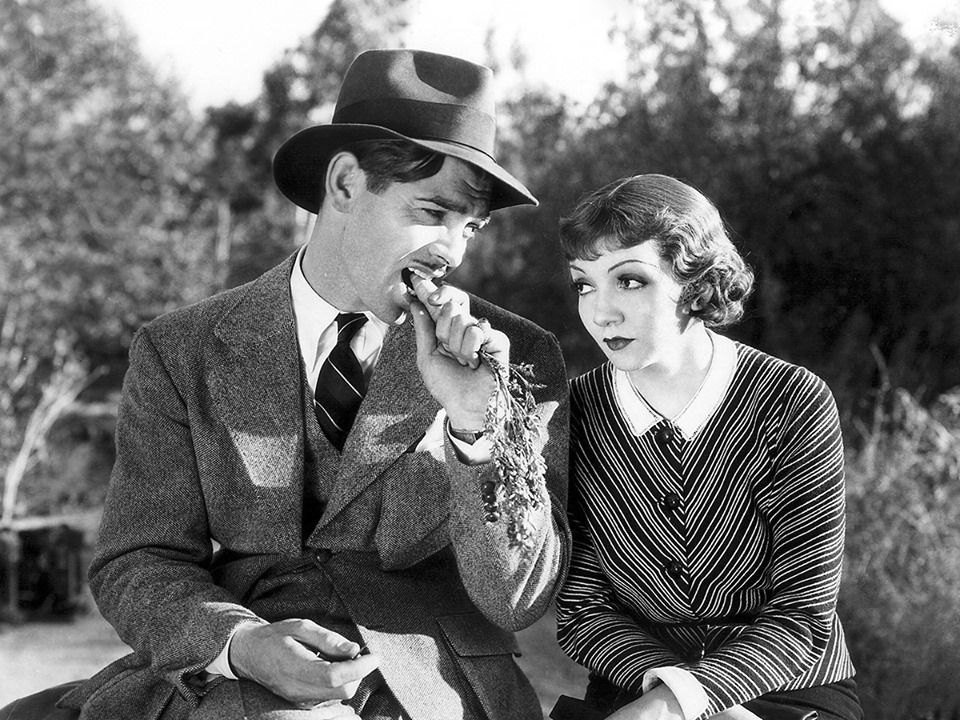
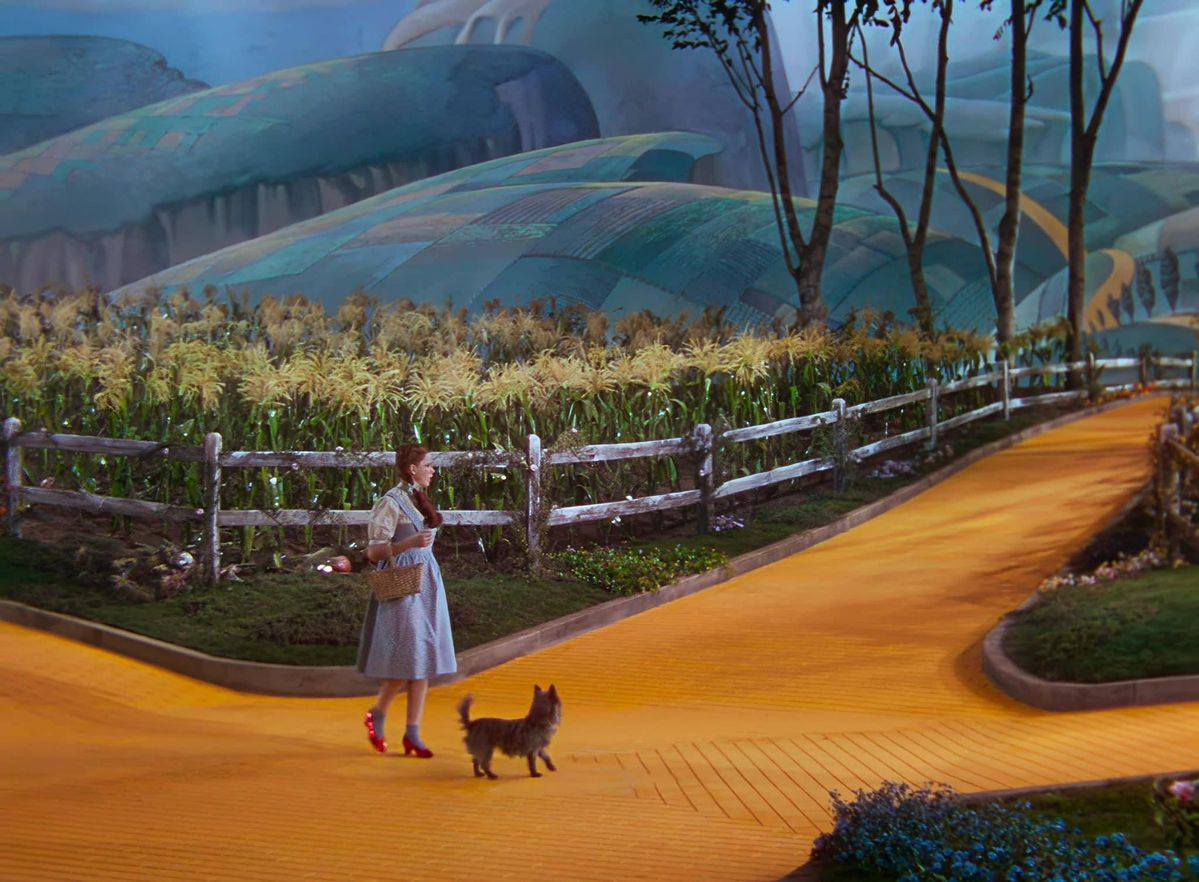
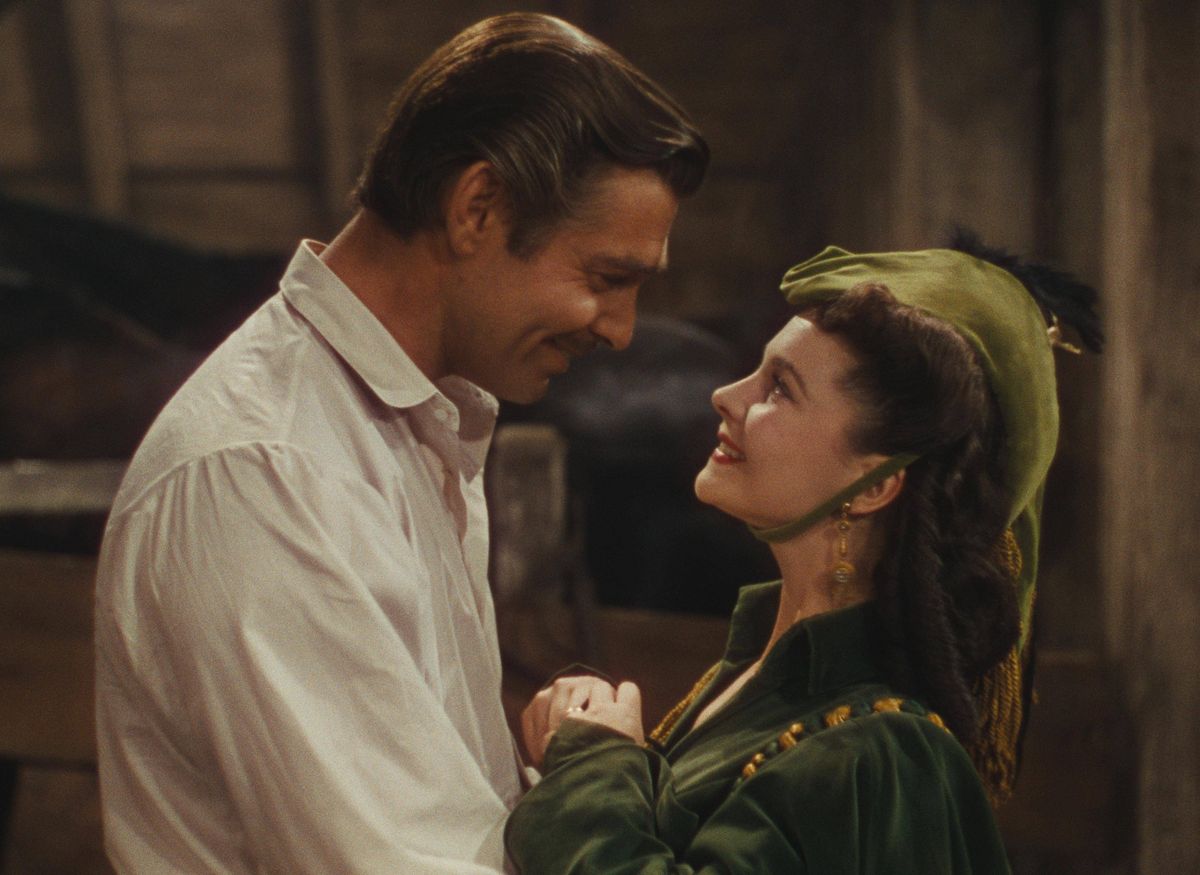
The decade also produced films that remain essential to cinema history. It Happened One Night (1934) helped define the screwball comedy, while The Wizard of Oz (1939) introduced audiences to an unforgettable fantasy world. Gone with the Wind (1939) became one of the era’s most famous cinematic spectacles, and Grand Hotel (1932) brought together an extraordinary ensemble cast in a story of intersecting lives and hidden desires.
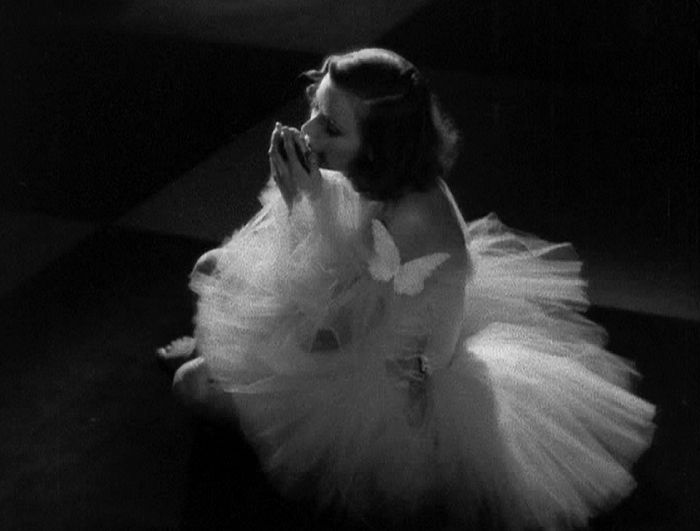
By the end of the decade, colour filmmaking was becoming increasingly impressive, yet black-and-white cinema retained a particular beauty. The interplay of light and shadow, the expressive close-up, and the careful composition of each scene helped establish the visual language of classic Hollywood.
Beauty and Hairstyles: The Glamour of the Silver Screen
Beauty in the 1930s was polished, deliberate, and unmistakably glamorous. The decade moved away from the straight, understated silhouettes of the flapper era towards a more sculpted and refined appearance.
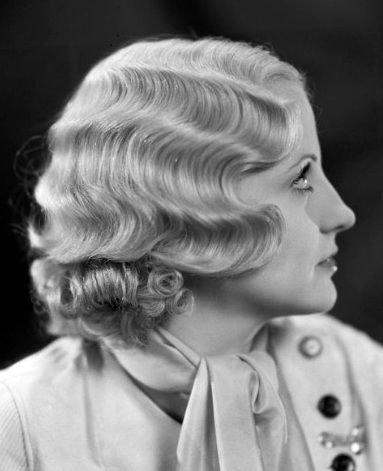
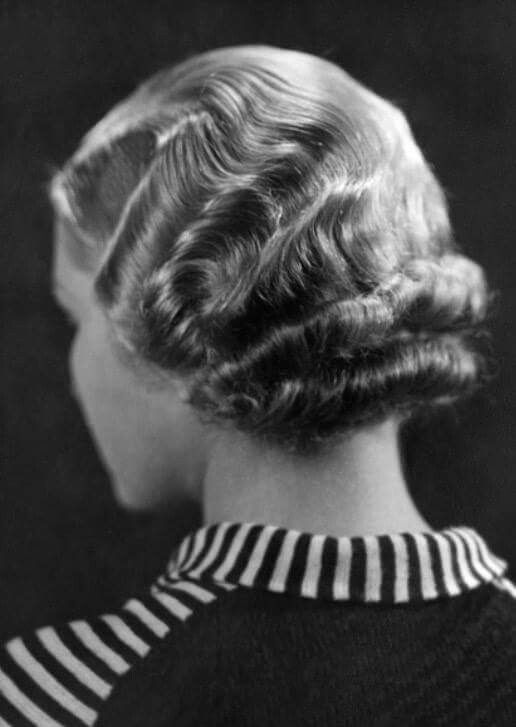
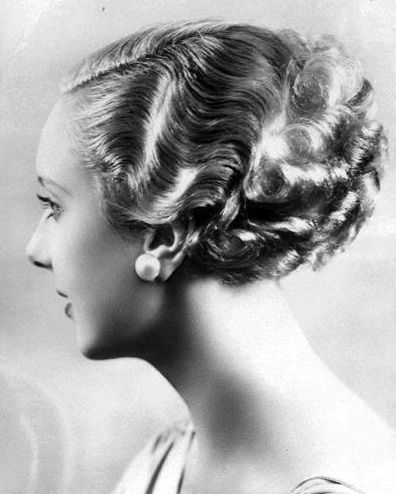
Soft waves, finger waves, and carefully arranged curls were among the most recognisable hairstyles. Shorter hair remained fashionable, but styles increasingly emphasised smooth contours and elegant shaping. Longer hair was often pinned into sophisticated updos for evening occasions.
Makeup was equally distinctive. Thin, carefully defined eyebrows, softly shaded eyes, and pronounced lips created the characteristic look of the decade. Lipstick shades ranged from classic red to deeper berry tones, while complexion products aimed to create a smooth, even finish.
Beauty was closely connected to cinema. Stars such as Jean Harlow and Marlene Dietrich became style references, inspiring women to recreate their signature looks with the products and techniques available to them.
The result was a kind of glamour that relied on precision rather than abundance: a perfectly shaped wave, a defined lip, and an elegant expression.
Music: Jazz, Swing, and the Sound of a Changing World
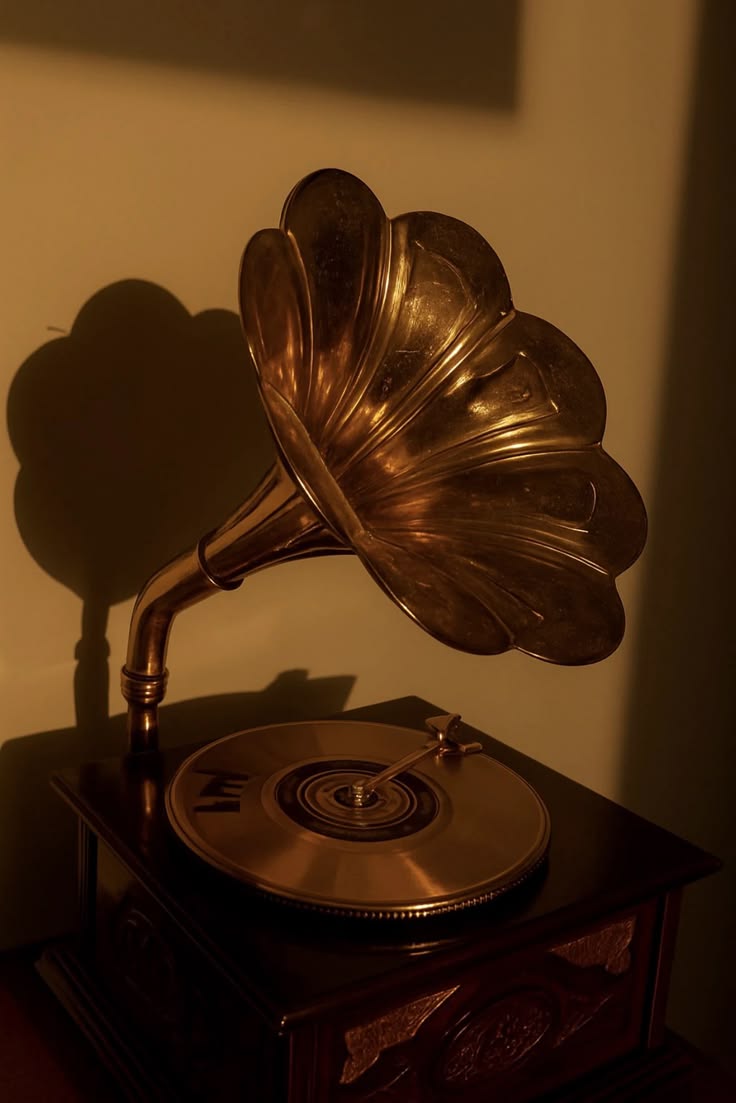
Music remained an essential part of everyday life throughout the 1930s. Jazz continued to evolve, while swing music grew into a major popular phenomenon, bringing energetic rhythms to dance halls, radio broadcasts, and ballrooms.
Big bands led by musicians such as Benny Goodman, Duke Ellington, and Count Basie helped define the sound of the era. Their arrangements combined technical sophistication with irresistible rhythms, encouraging audiences to dance even during difficult economic times.
The popularity of swing also reflected the growing influence of African American musicians on American popular culture. Their innovations shaped the development of jazz and helped establish musical traditions that would influence generations of performers.
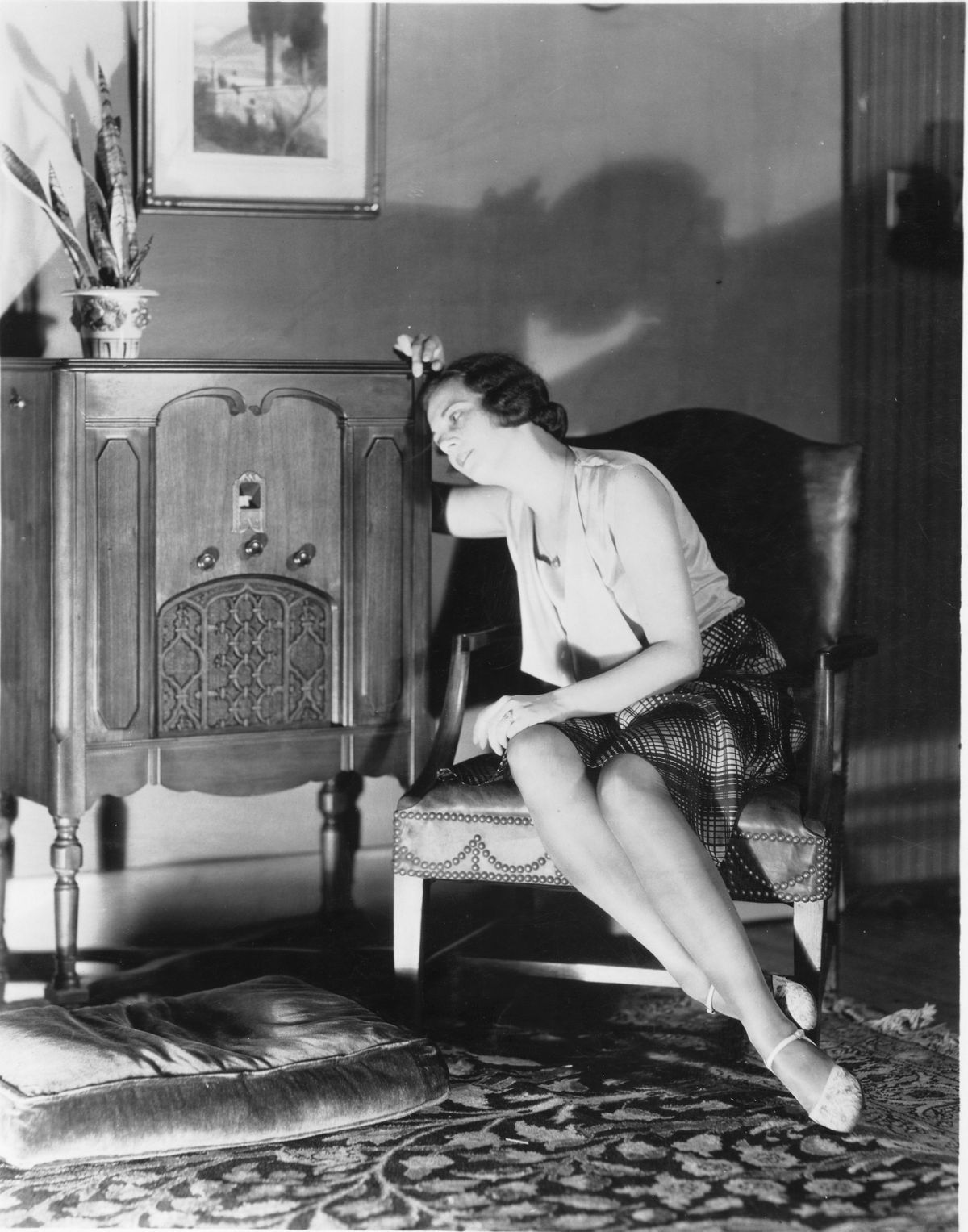
Radio made music more accessible than ever. Families could listen to orchestras, singers, comedy programmes, and news broadcasts from their homes, making radio one of the defining technologies of the decade.
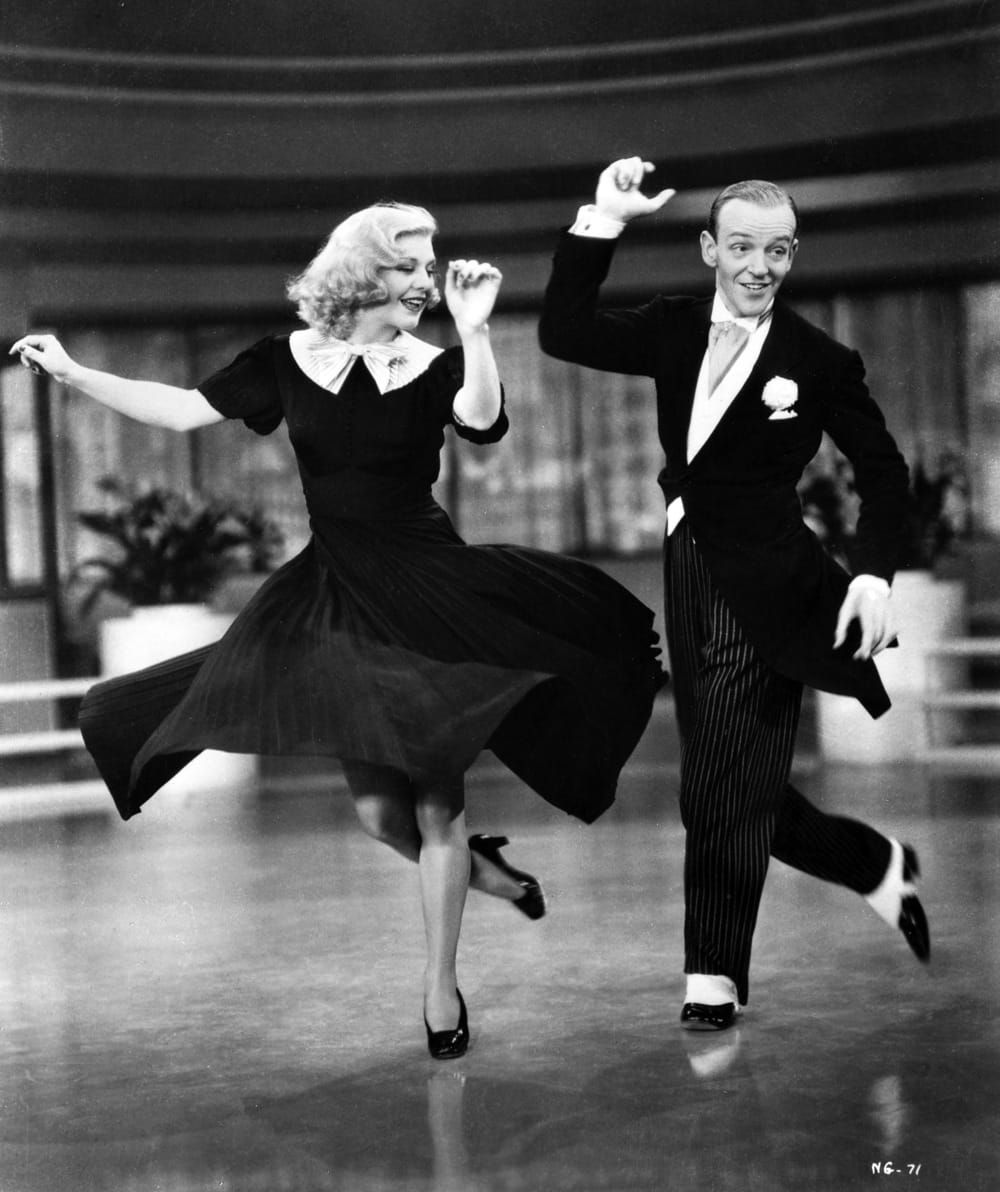
In Hollywood, musicals offered another form of escapism. Fred Astaire and Ginger Rogers became one of cinema’s most celebrated dancing partnerships, combining elegant choreography, romantic storytelling, and impeccable style. Their films transformed dance into an expression of sophistication and lighthearted romance.
The music of the 1930s could be joyful, melancholic, rebellious, or romantic. Above all, it provided a soundtrack to a world in transition.
Everyday Life During the Great Depression
Behind the glamour of the silver screen, the 1930s were marked by economic hardship. The Great Depression affected employment, housing, industry, and family life across much of the world. Many households had to reconsider how they spent money, what they bought, and how they used what they already owned.
Fashion adapted to these circumstances. Clothing was repaired, altered, and passed between family members. People found creative ways to maintain a presentable appearance without purchasing an entirely new wardrobe.
The contrast between everyday reality and Hollywood fantasy was striking. While film stars appeared in extravagant gowns and luxurious interiors, audiences watched from modest homes and neighbourhood picture houses. Yet this contrast was part of cinema’s appeal: films offered a glimpse of beauty and possibility during a period of uncertainty.
The decade also brought significant social and political changes. Women continued to participate in the workforce, although opportunities varied greatly by country, class, and circumstance. New technologies, changing media, and international developments reshaped how people understood the modern world.
The 1930s were therefore not simply an era of glamour. They were a decade of adaptation, resourcefulness, and resilience.
Why the 1930s Still Inspire Us
Nearly a century later, the 1930s continue to hold a special place in fashion and popular culture. Their appeal lies in the balance between sophistication and simplicity, fantasy and reality, tradition and modernity.
The decade reminds us that elegance does not necessarily depend on wearing the newest clothes or following every passing trend. It can be found in a well-cut jacket, a carefully chosen accessory, a favourite old film, or the simple pleasure of listening to a timeless melody.
Modern designers continue to revisit 1930s silhouettes, while contemporary audiences rediscover the stars, films, and music that once captivated the world. Vintage enthusiasts are drawn to the era’s craftsmanship, cinematic beauty, and attention to detail.
Perhaps the greatest lesson of the 1930s is that style can endure even when the world around it changes. Trends come and go, but a sense of proportion, individuality, and quiet confidence never truly disappears.
Discover the next chapter of vintage history — [Explore the 1940s →]