
The 1960s: Revolution, Romance, and the Birth of Modern Style
From the timeless elegance of Audrey Hepburn to the daring silhouettes of the Swinging Sixties, the 1960s transformed fashion, music, cinema, and popular culture into a world of freedom, experimentation, and unforgettable style.
The 1960s were a decade of extraordinary change. Traditional ideas about fashion, beauty, music, and society were challenged by a new generation eager to express itself in different ways. Elegant dresses and perfectly tailored suits shared the spotlight with miniskirts, geometric prints, bold colours, and experimental silhouettes.
It was a time when London became one of the world’s most exciting fashion capitals, the Beatles changed the sound of popular music, and Hollywood stars continued to influence the way people dressed and presented themselves. At the same time, civil rights movements, youth activism, and changing social attitudes reshaped the cultural landscape.
The decade began with the refined glamour of the early sixties, when fashion still reflected the elegance of the previous era. As the years progressed, however, clothing became shorter, colours became bolder, and personal expression increasingly took centre stage.
By the end of the decade, fashion and popular culture looked remarkably different from what they had been at the beginning. The 1960s had introduced a new understanding of style: one that celebrated individuality, challenged conventions, and embraced the possibilities of a changing world.

Fashion: From Elegant Silhouettes to the Swing Sixties
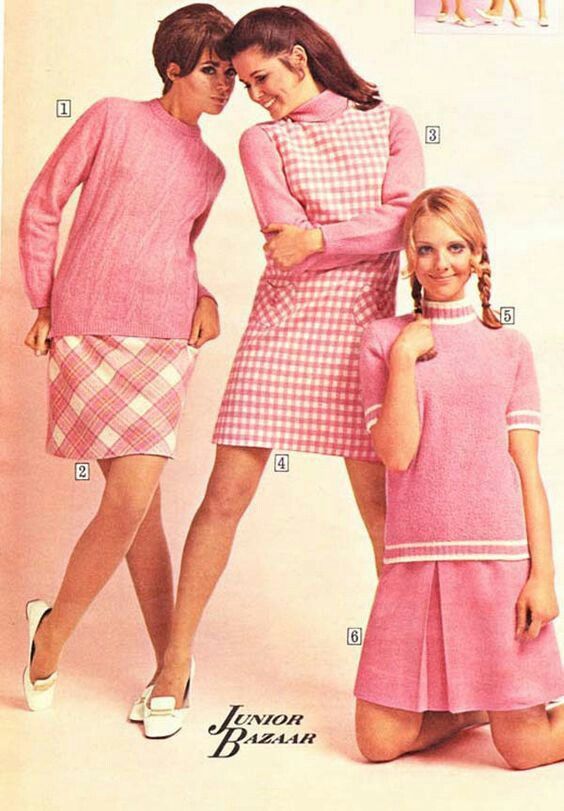
Fashion in the 1960s underwent one of the most dramatic transformations of the twentieth century. The decade began with structured dresses, coordinated suits, and the polished elegance inherited from the 1950s. Gradually, younger designers and fashion-conscious consumers introduced shorter hemlines, simpler shapes, and a more experimental approach to dressing.
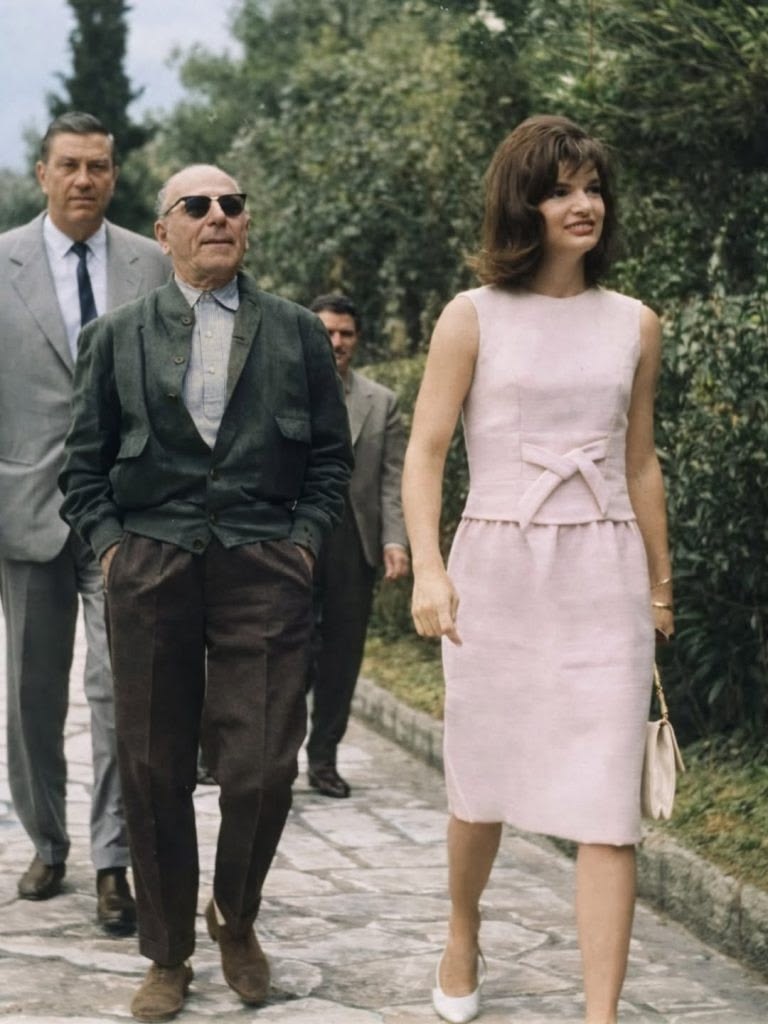
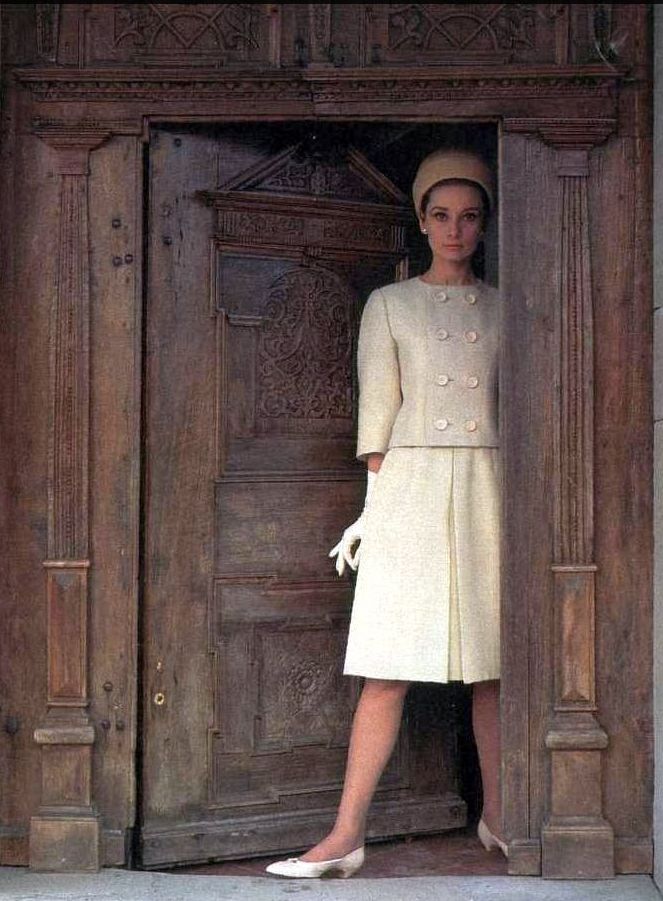
In the early sixties, the influence of Jacqueline Kennedy was particularly visible. Her tailored suits, pillbox hats, sleeveless dresses, and understated accessories established an image of modern sophistication. Audrey Hepburn also remained an important style icon, admired for her clean silhouettes, cropped trousers, elegant flats, and effortlessly refined wardrobe.
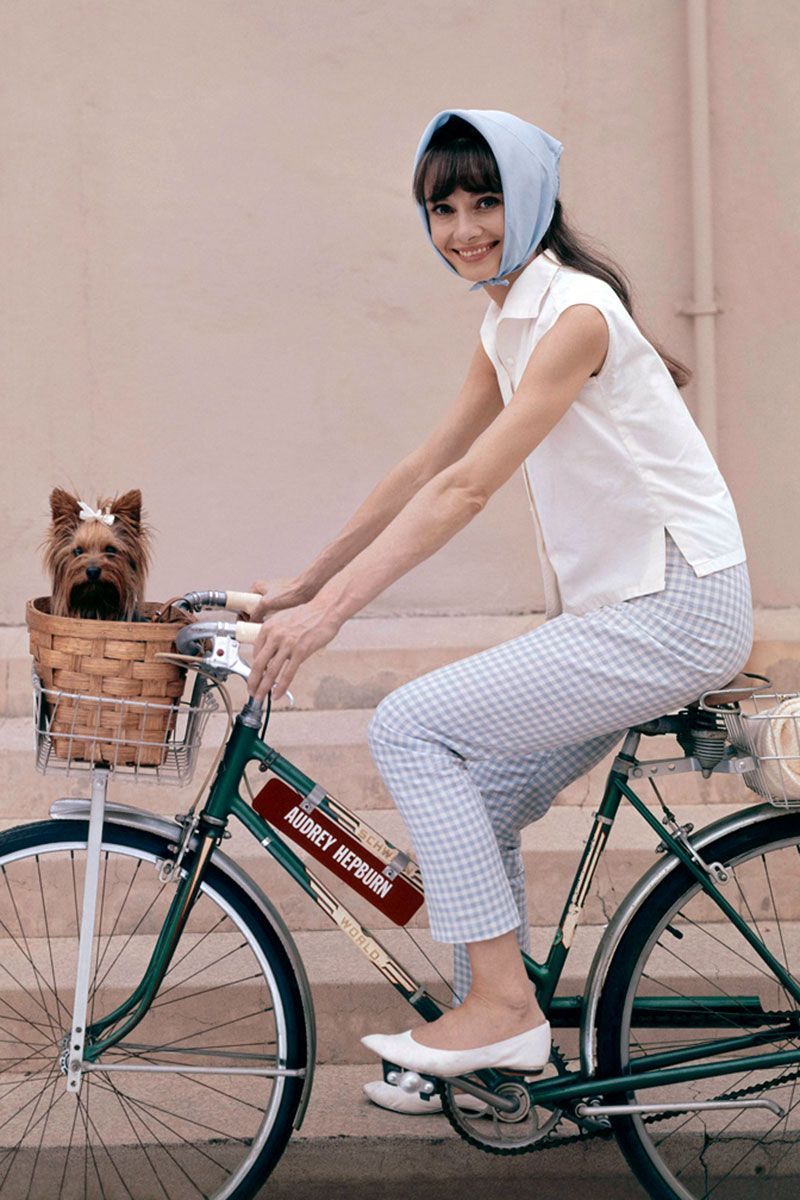
As the decade progressed, fashion became increasingly youthful. British designer Mary Quant helped popularise the miniskirt, which became one of the most recognisable symbols of the period. Alongside shorter hemlines, shift dresses, sleeveless tunics, tights, and knee-high boots reflected a new approach to everyday clothing.
The London fashion scene, often associated with the phrase Swinging London, attracted international attention. Designers, photographers, models, and musicians helped establish a culture in which fashion and youth identity were closely connected.
Geometric patterns, colour-blocking, bold stripes, and contrasting colour combinations became popular. Designers experimented with synthetic materials and futuristic forms, reflecting widespread fascination with science, space exploration, and modern technology.
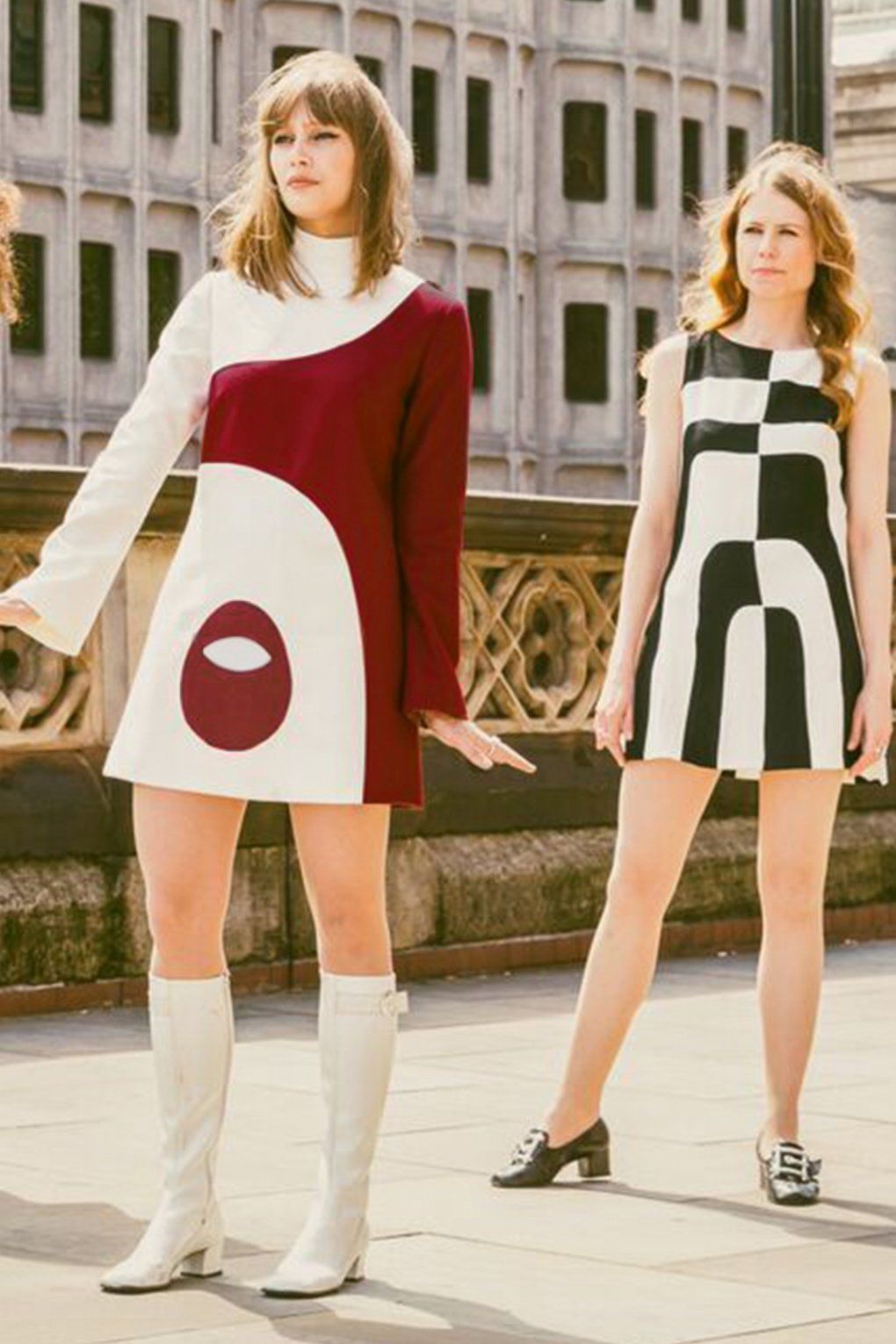
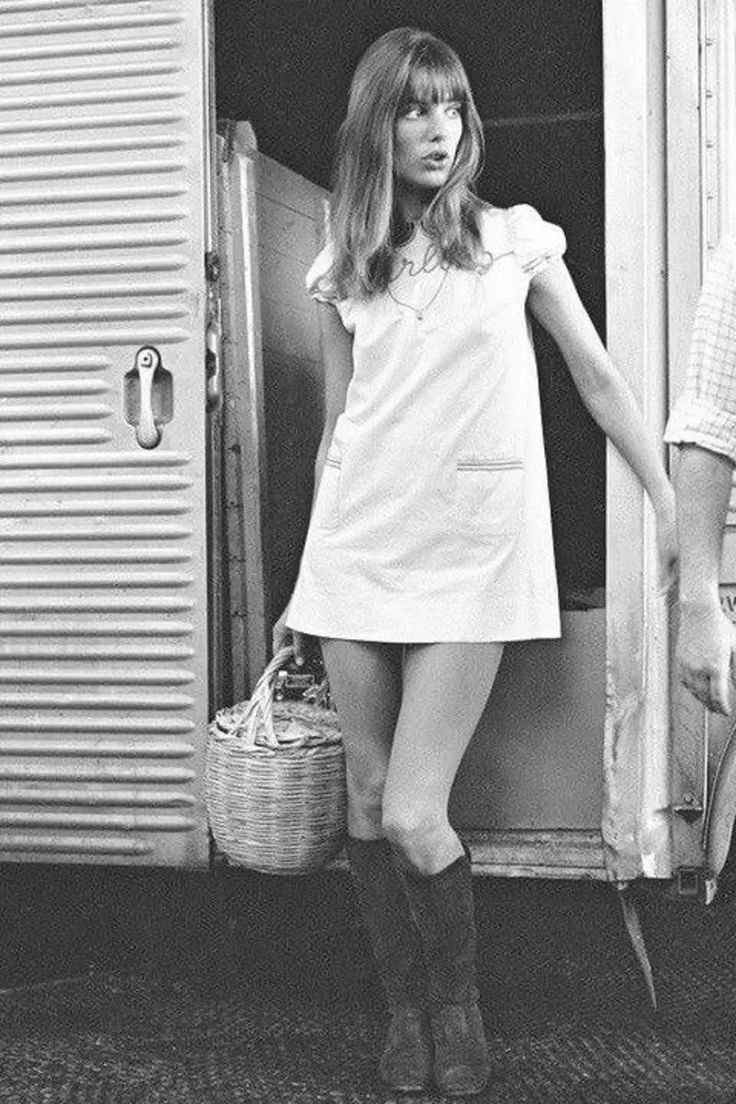
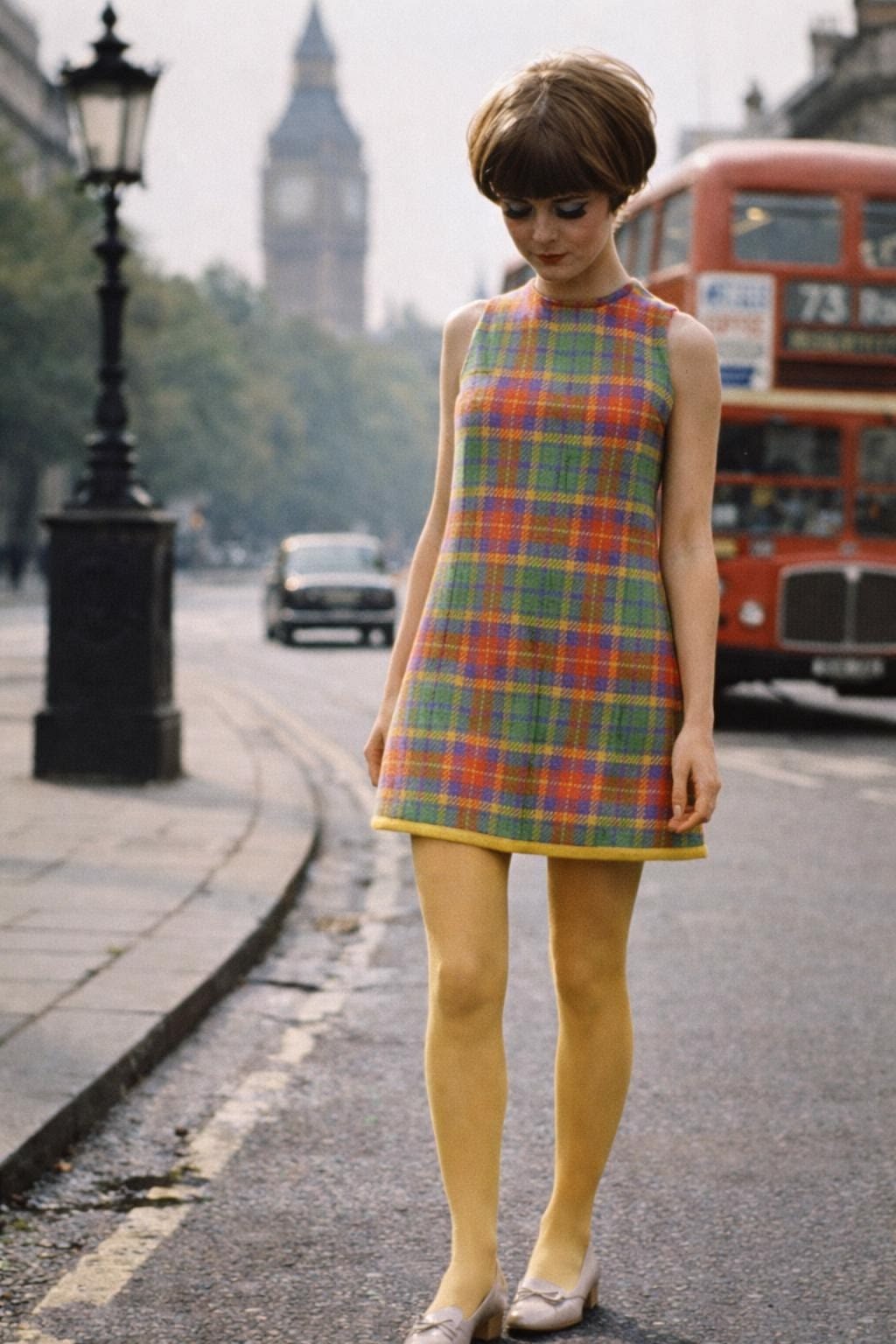
By the late sixties, the fashion landscape had become even more diverse. Paisley prints, flowing garments, fringed accessories, flared trousers, and influences from counterculture movements offered alternatives to the sleek mod aesthetic of the earlier years.
The decade’s fashion story was not simply about changing hemlines. It marked a shift towards individual expression, allowing people to use clothing to communicate their attitudes, interests, and aspirations.
Hollywood and Cinema: Icons of Elegance and Change
Cinema remained one of the most influential forces in shaping the style of the 1960s. Hollywood continued to produce glamorous stars and memorable films, while international cinema introduced new approaches to storytelling, visual composition, and character.
Audrey Hepburn remained one of the decade’s most enduring fashion icons. Her appearance in Breakfast at Tiffany’s (1961), wearing the now-famous black dress designed by Hubert de Givenchy, helped establish one of the most recognisable looks in film history.
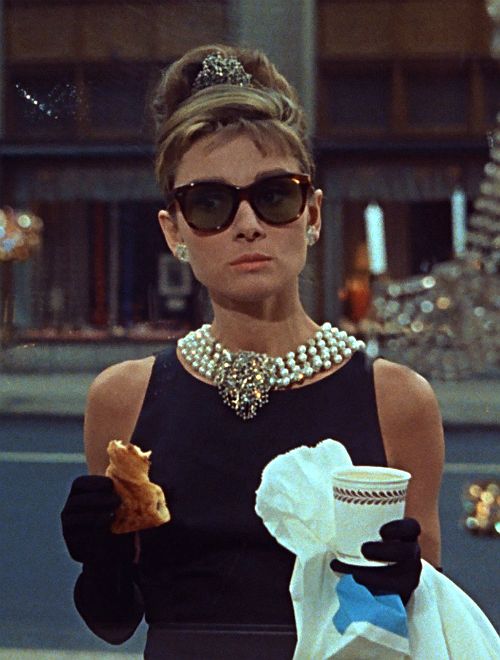
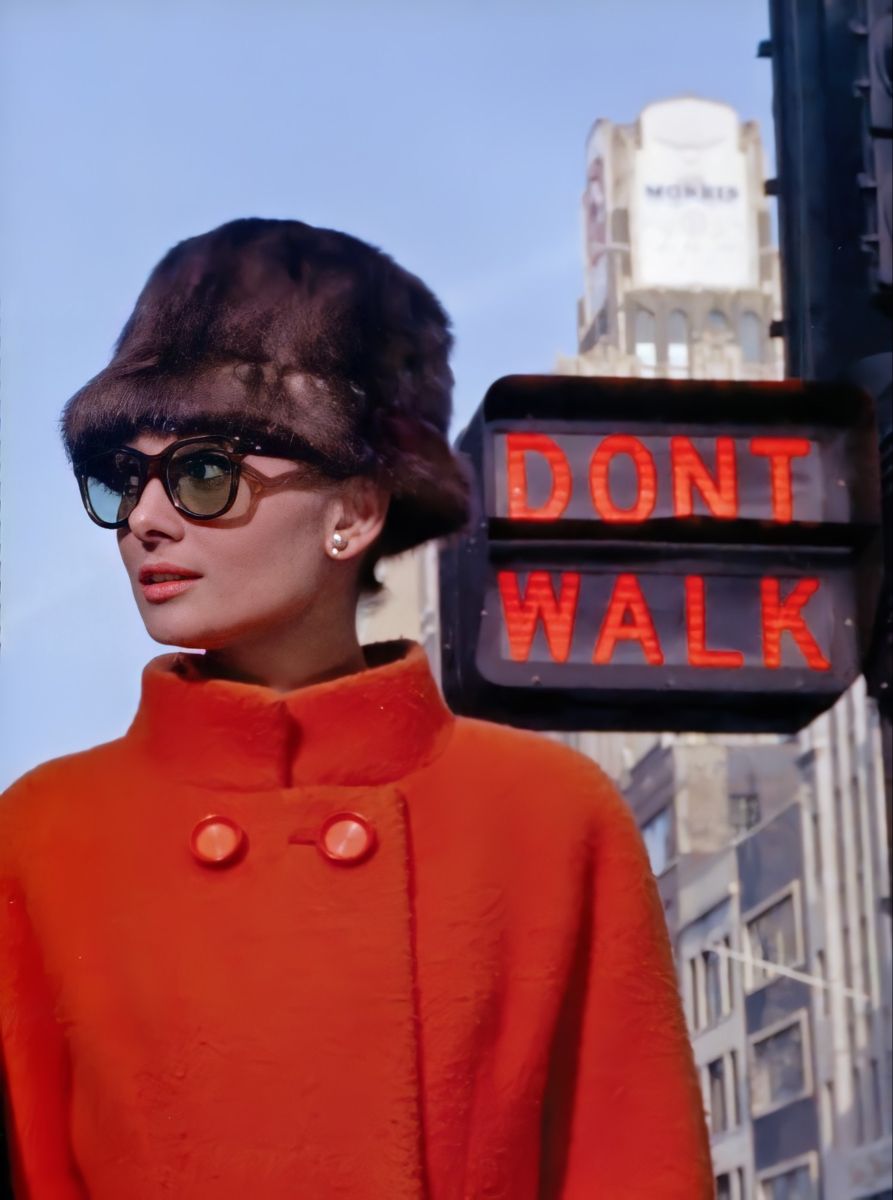
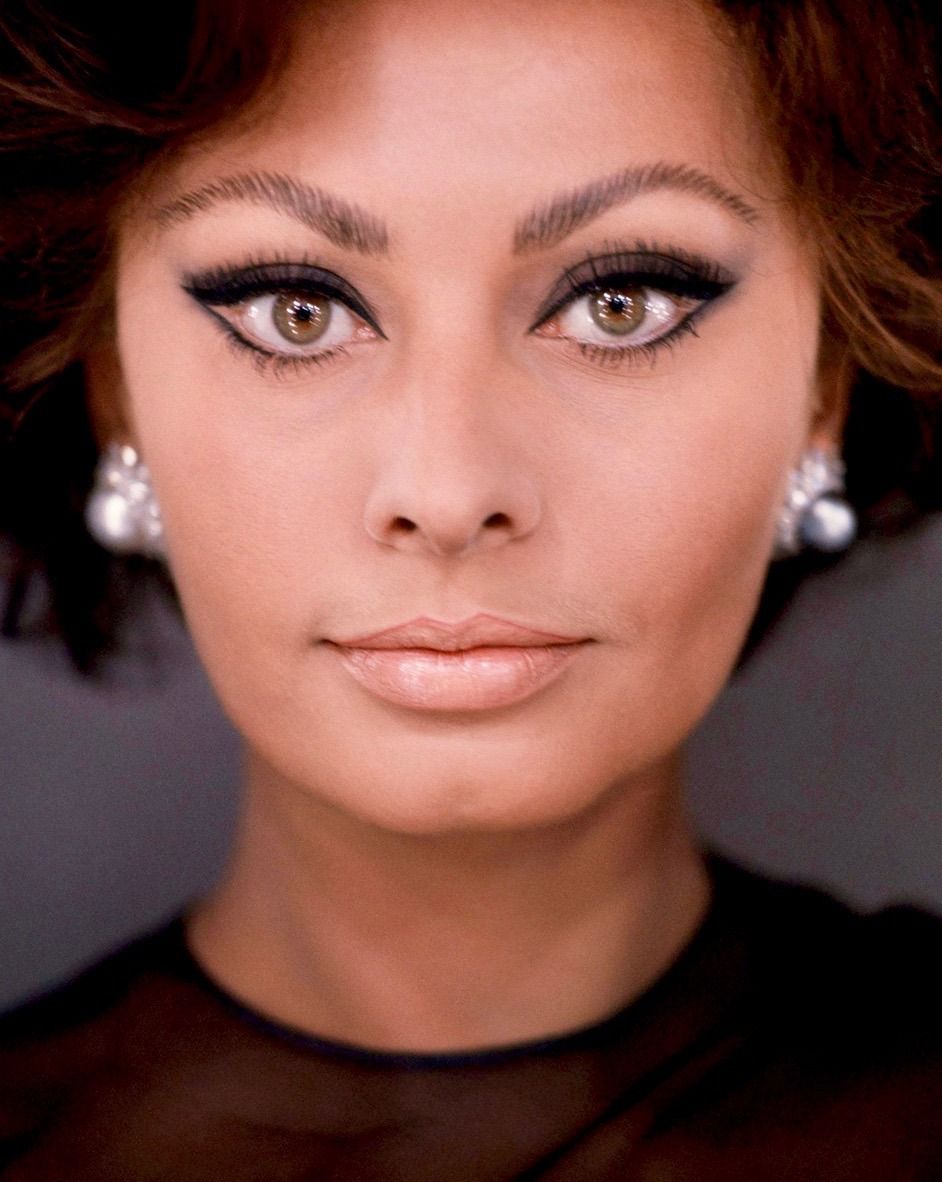
Elizabeth Taylor captivated audiences with her dramatic performances and luxurious personal style. Sophia Loren brought a distinctive blend of Italian glamour and confidence, while Brigitte Bardot became associated with tousled hair, youthful sensuality, and an effortlessly relaxed French aesthetic.
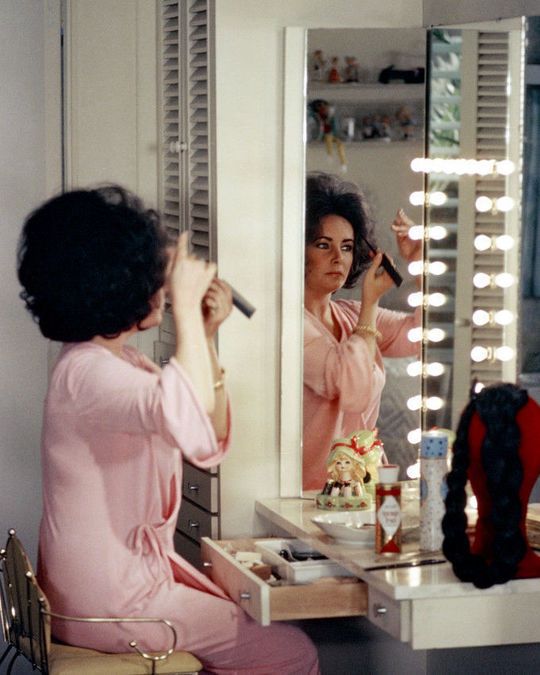
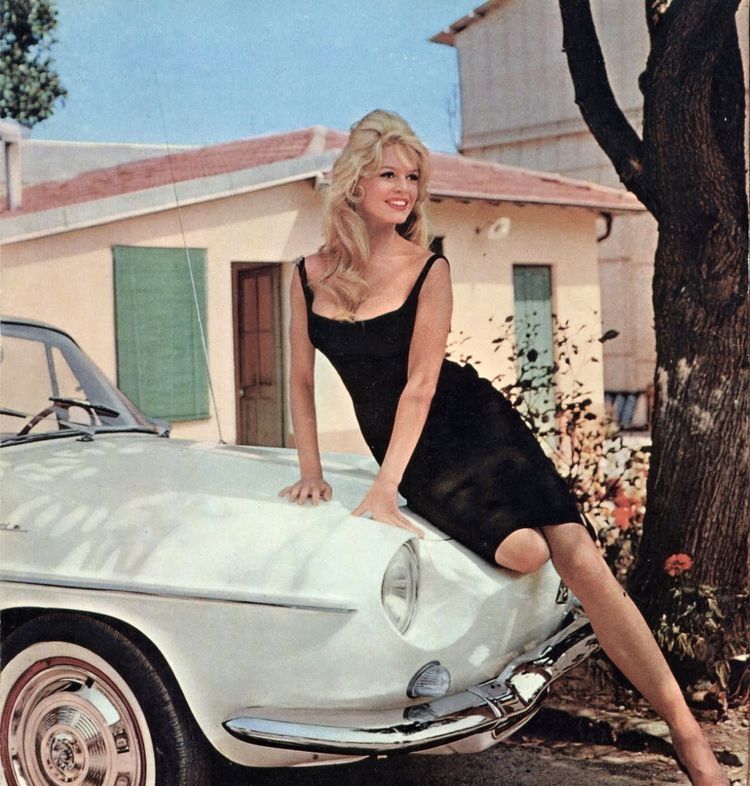
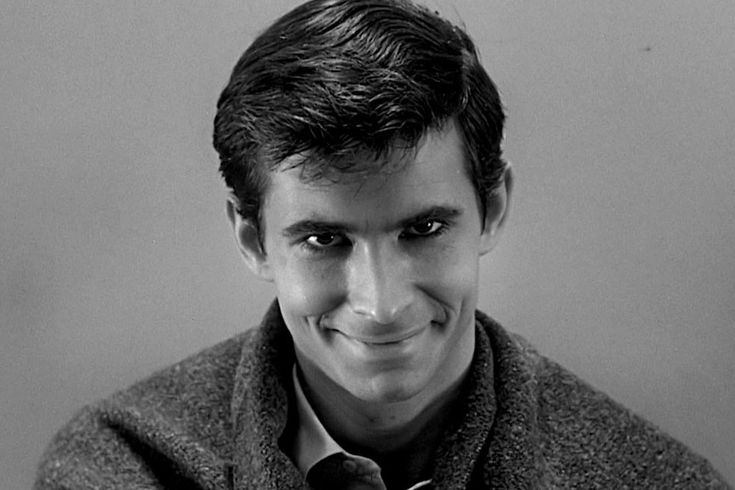
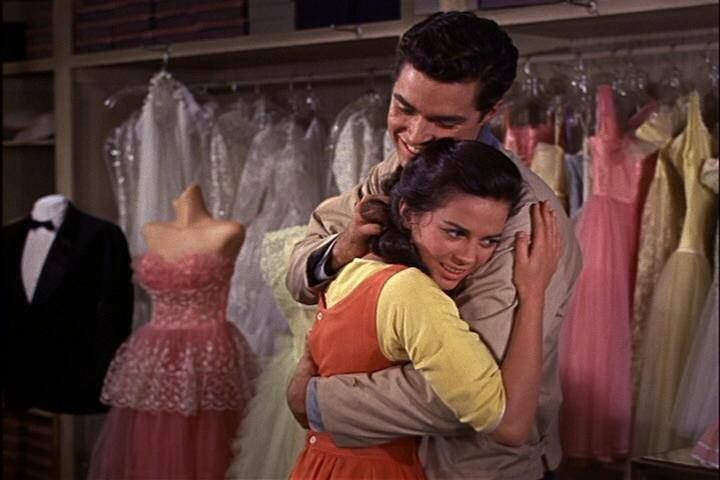
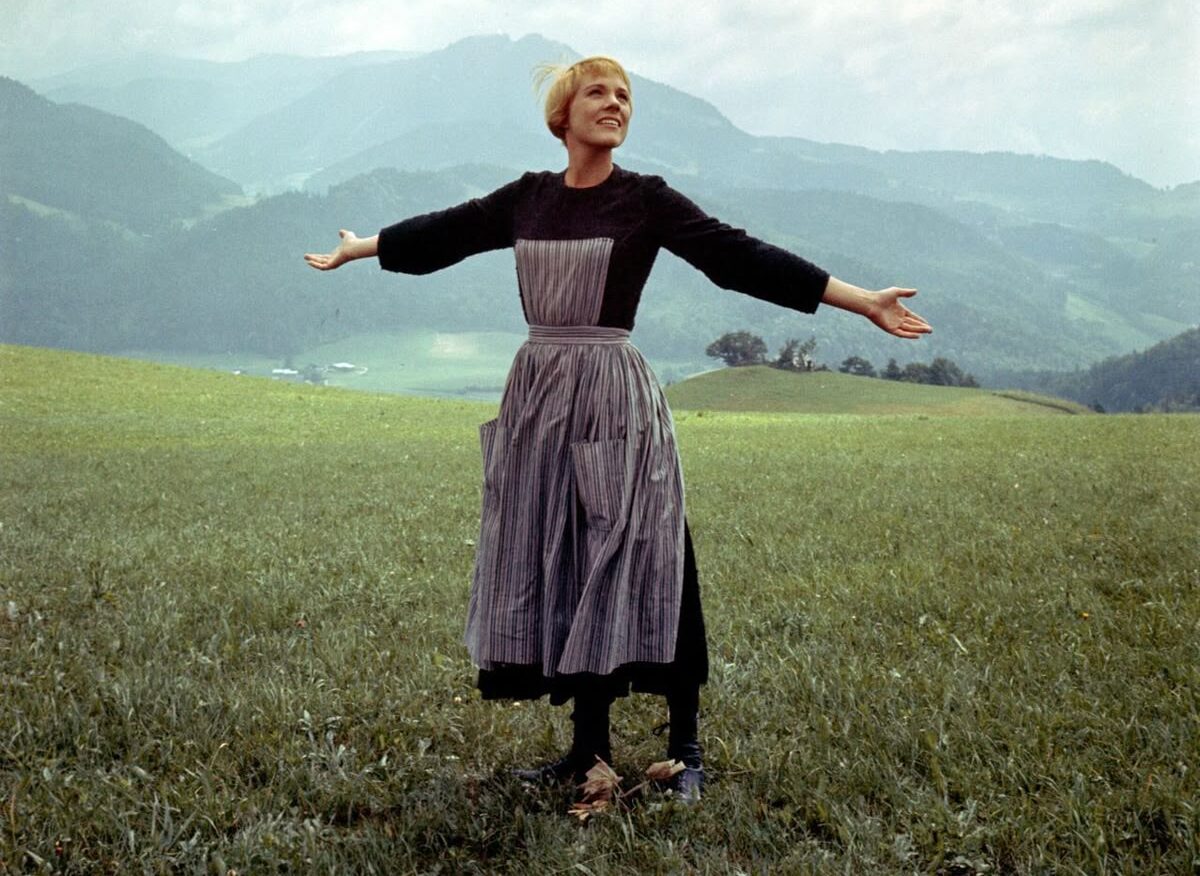
The decade also produced unforgettable films. Psycho (1960) demonstrated Alfred Hitchcock’s mastery of suspense, while West Side Story (1961) combined music, dance, and tragedy in a contemporary retelling of Romeo and Juliet. Lawrence of Arabia (1962) became famous for its sweeping cinematography, and The Sound of Music (1965) captivated audiences with its music and romantic storytelling.

In 1967, The Graduate captured aspects of generational uncertainty and changing social expectations, while Bonnie and Clyde helped signal a new era of American filmmaking. By the end of the decade, films such as Easy Rider (1969) reflected the influence of counterculture and a growing willingness to challenge traditional cinematic conventions.
European cinema also flourished. Directors such as Federico Fellini, Michelangelo Antonioni, and Jean-Luc Godard explored modern life, alienation, identity, and unconventional narrative techniques.
The visual style of sixties cinema ranged from sophisticated black-and-white photography to vibrant colour productions. Carefully styled costumes, striking interiors, and expressive cinematography created images that continue to inspire fashion editorials and visual storytelling.
Cinema in the 1960s was both a source of glamour and a reflection of cultural change, preserving the elegance of classic Hollywood while embracing new ideas about modern life.
Beauty and Hairstyles: The Art of Experimentation
Beauty in the 1960s moved between two distinctive ideals: polished sophistication and youthful experimentation. Early in the decade, carefully styled hair, defined eyebrows, and elegant makeup remained popular. Later, exaggerated eyeliner, voluminous hairstyles, and more playful looks transformed the beauty landscape.
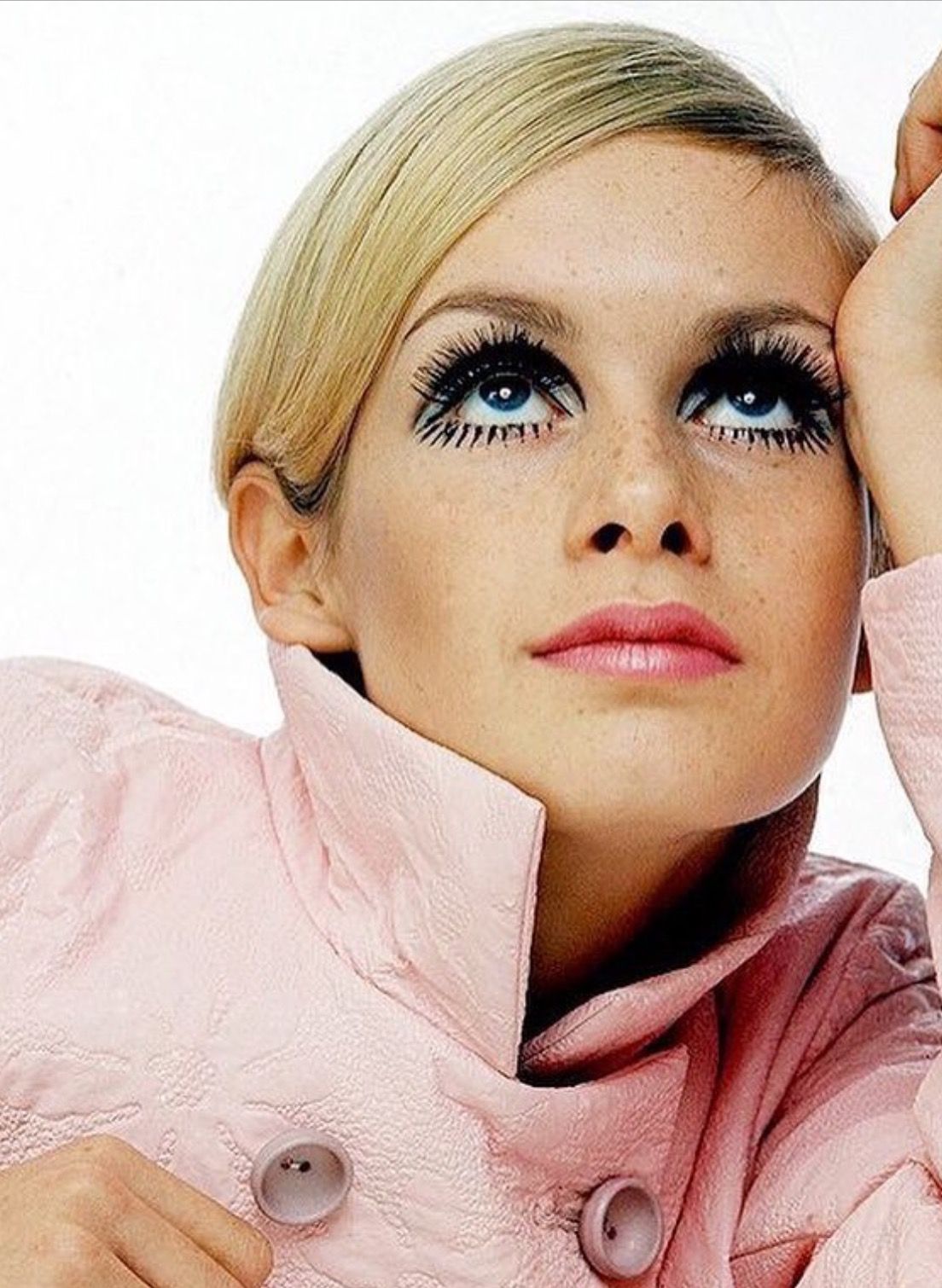
One of the decade’s most recognisable makeup trends was the emphasis on the eyes. Thick eyeliner, dramatic lashes, pale eyeshadow, and carefully defined creases created the famous mod look. False eyelashes became particularly popular, allowing women to achieve a more theatrical appearance.
The British model Twiggy became one of the defining beauty icons of the period. Her short hair, large eyes, and distinctive lashes helped popularise a youthful aesthetic that differed from the more mature glamour associated with earlier Hollywood stars.
Audrey Hepburn represented another side of sixties beauty. Her elegant updos, defined brows, and understated makeup demonstrated that a sophisticated appearance did not require excessive ornamentation. Brigitte Bardot, meanwhile, popularised voluminous, slightly undone hair and a softer, more sensual approach.
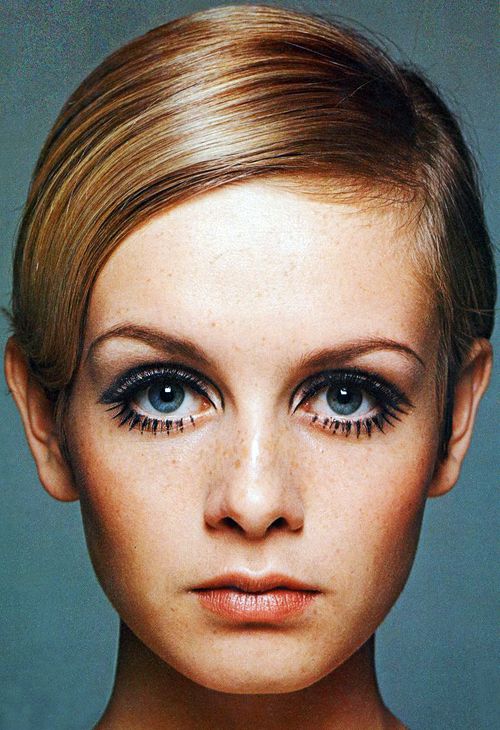
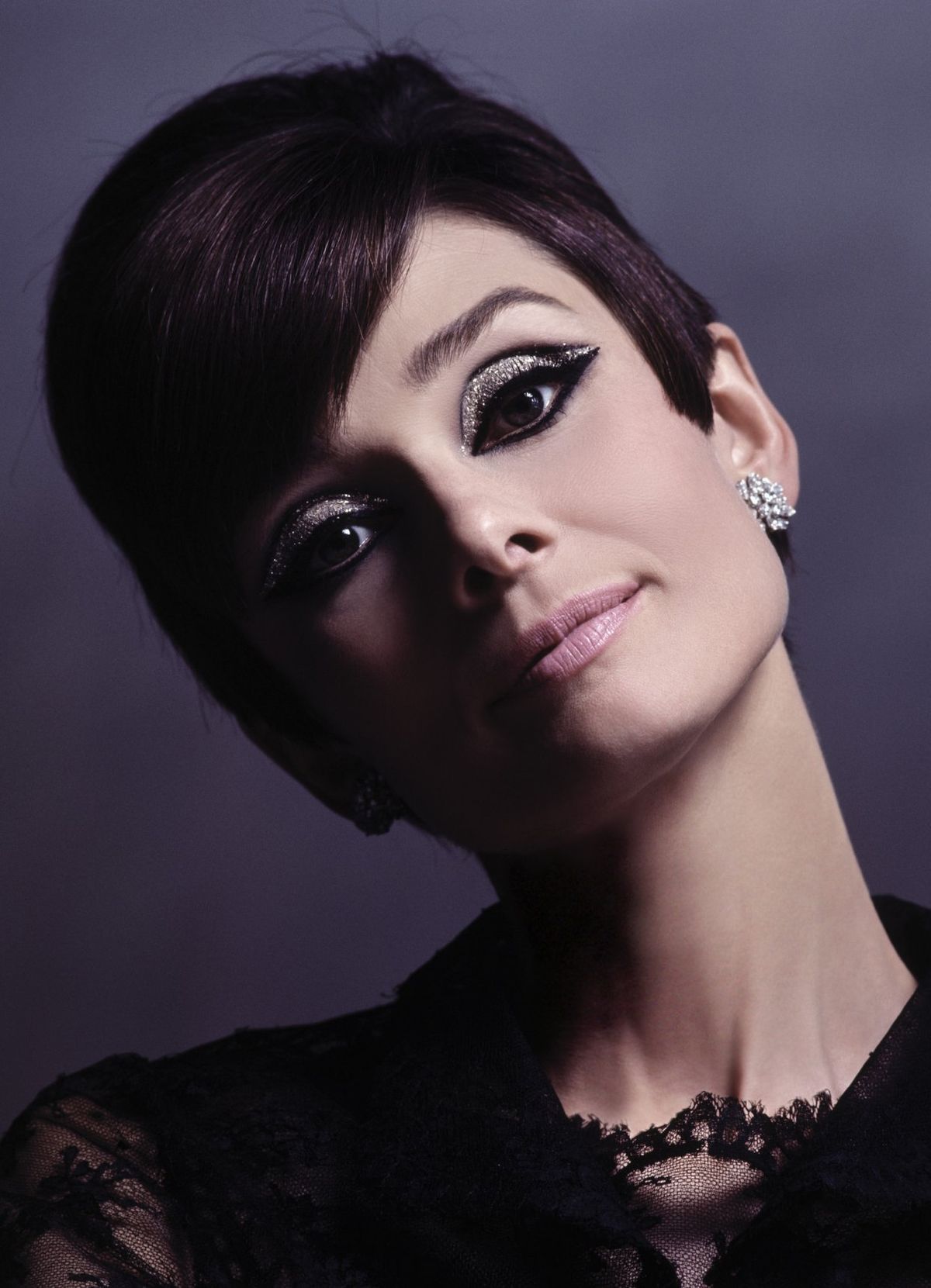
Hairstyles varied considerably throughout the decade. Bouffants, beehives, smooth bobs, pixie cuts, and long straight hair all became fashionable at different times. The late sixties also saw the growing influence of natural textures, centre parts, and flowing hair associated with counterculture.
Lipstick shades ranged from classic reds and soft pinks to pale, almost nude tones. The focus increasingly shifted towards the eyes, creating a striking contrast between dramatic lashes and understated lips.
The beauty trends of the 1960s reflected the decade’s wider cultural transformation. Rather than following a single ideal, women increasingly explored different looks, using makeup and hairstyles to experiment with identity and personal style.
Music: The Beatles, Motown, and a New Cultural Sound
The 1960s transformed popular music. Rock ’n’ roll continued to evolve, British bands gained international audiences, soul music flourished, and the singer-songwriter became an increasingly important figure in popular culture.
The Beatles were among the decade’s most influential musical acts. Emerging from Liverpool, they achieved international success with their distinctive sound, memorable melodies, and evolving visual identity. Their influence extended beyond music into hairstyles, clothing, youth culture, and the way popular artists connected with audiences.
The Rolling Stones offered a different image, associated with blues-inspired rock, rebellious attitudes, and a less polished public persona. Together with numerous other British groups, they helped drive the phenomenon known as the British Invasion, bringing British pop and rock music to a vast American audience.
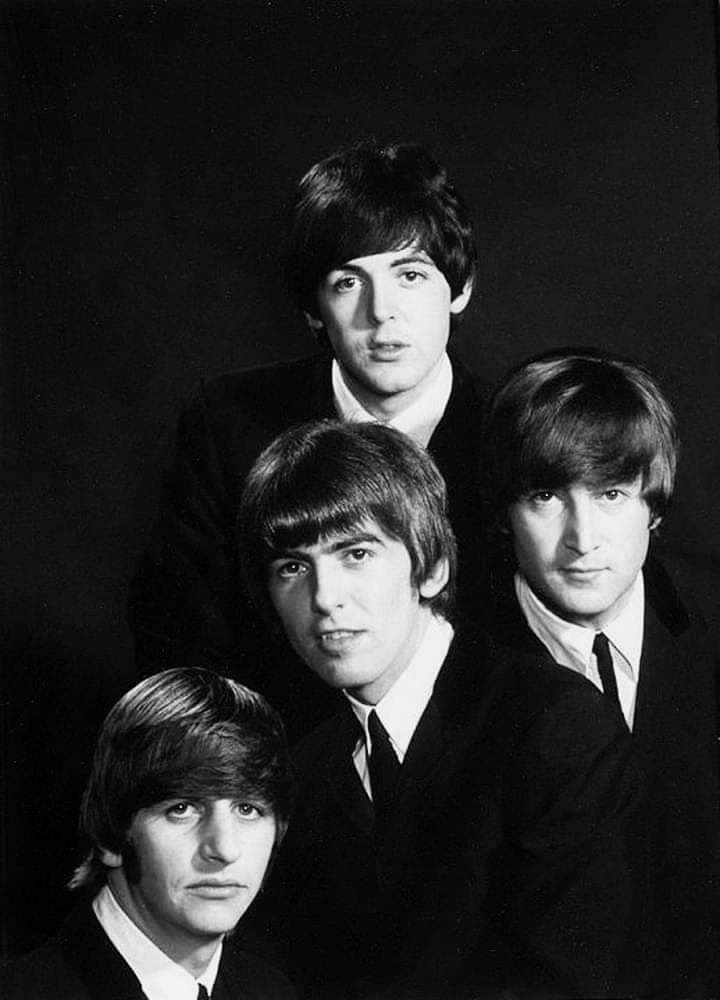
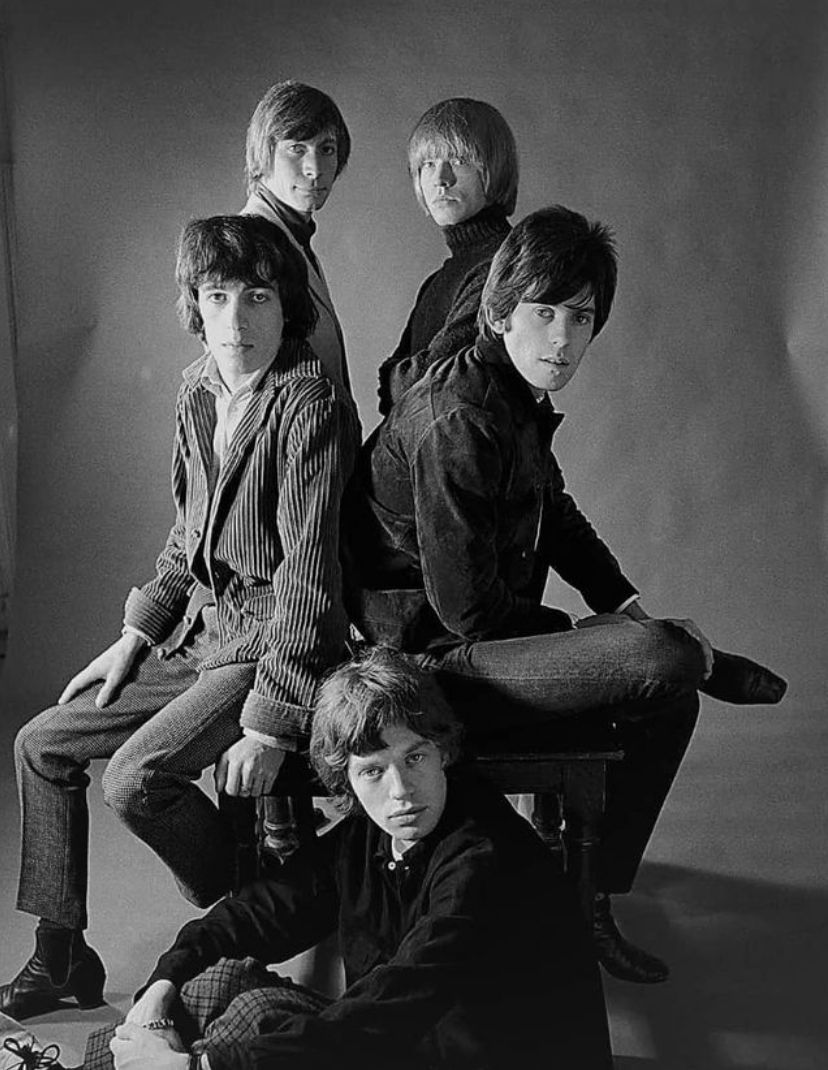
Across the Atlantic, Motown Records became a major force in popular music. Artists such as The Supremes, Marvin Gaye, and Stevie Wonder helped define the label’s polished sound, combining memorable melodies with sophisticated arrangements and powerful performances.
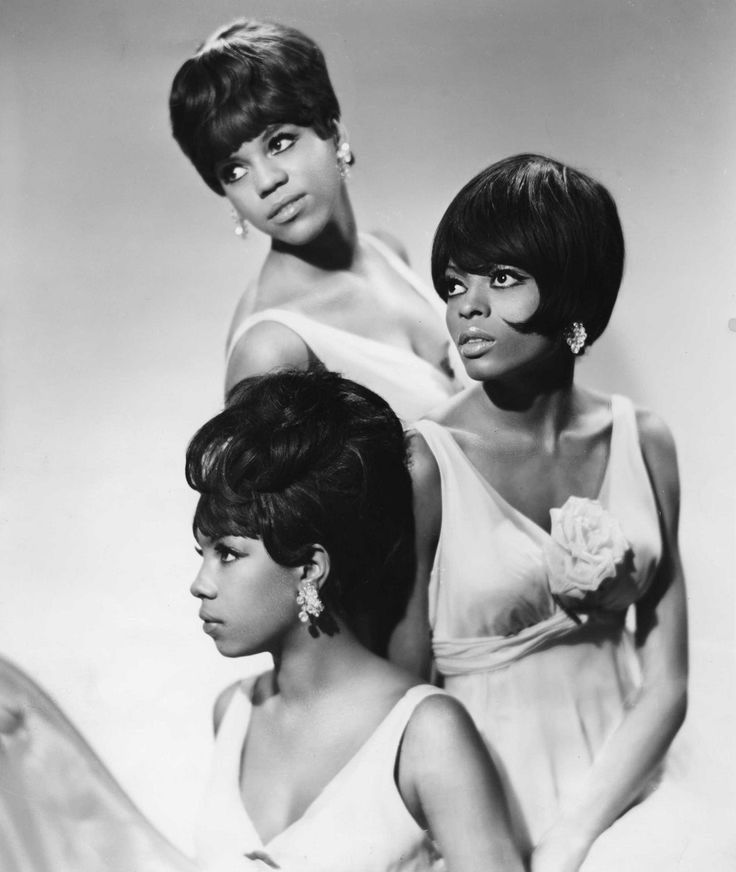
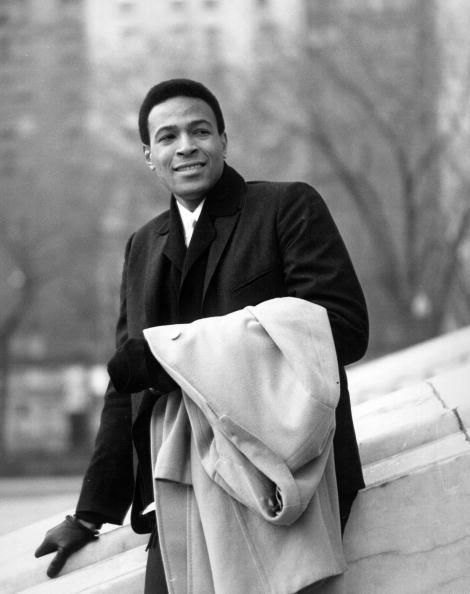
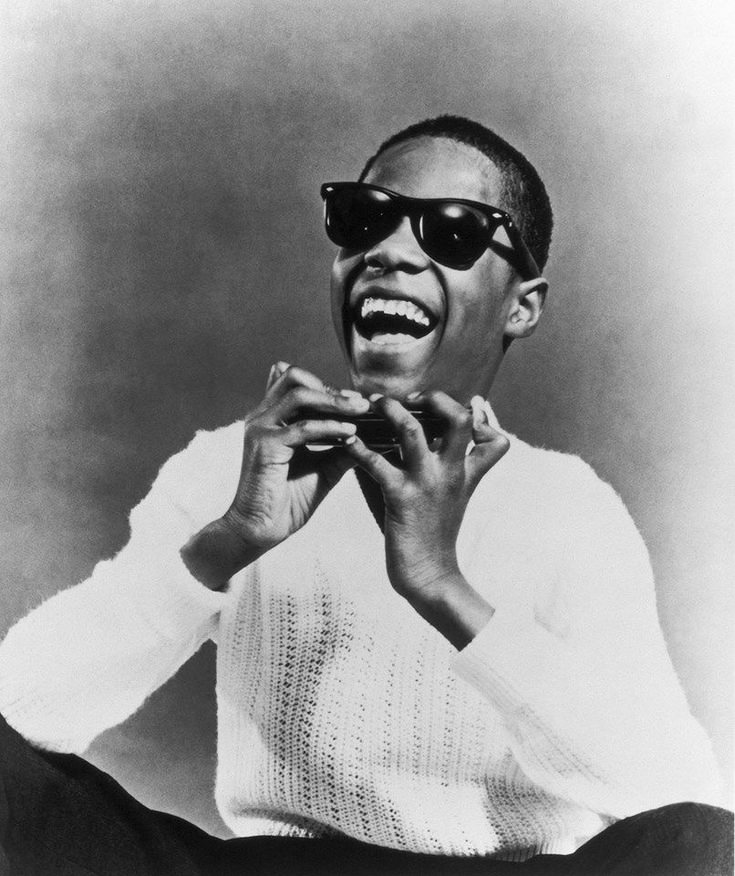
Soul music also reached new audiences through performers including Aretha Franklin, whose expressive voice and recordings became central to the musical culture of the decade.
Meanwhile, Bob Dylan helped popularise a more politically and socially engaged form of songwriting. His lyrics explored personal experience, social tensions, and questions of identity, reflecting the wider changes taking place in American society.
By the late sixties, psychedelic rock and experimental music had become increasingly influential. Artists explored extended compositions, unconventional sounds, and new recording techniques, creating music that reflected the decade’s interest in artistic freedom.
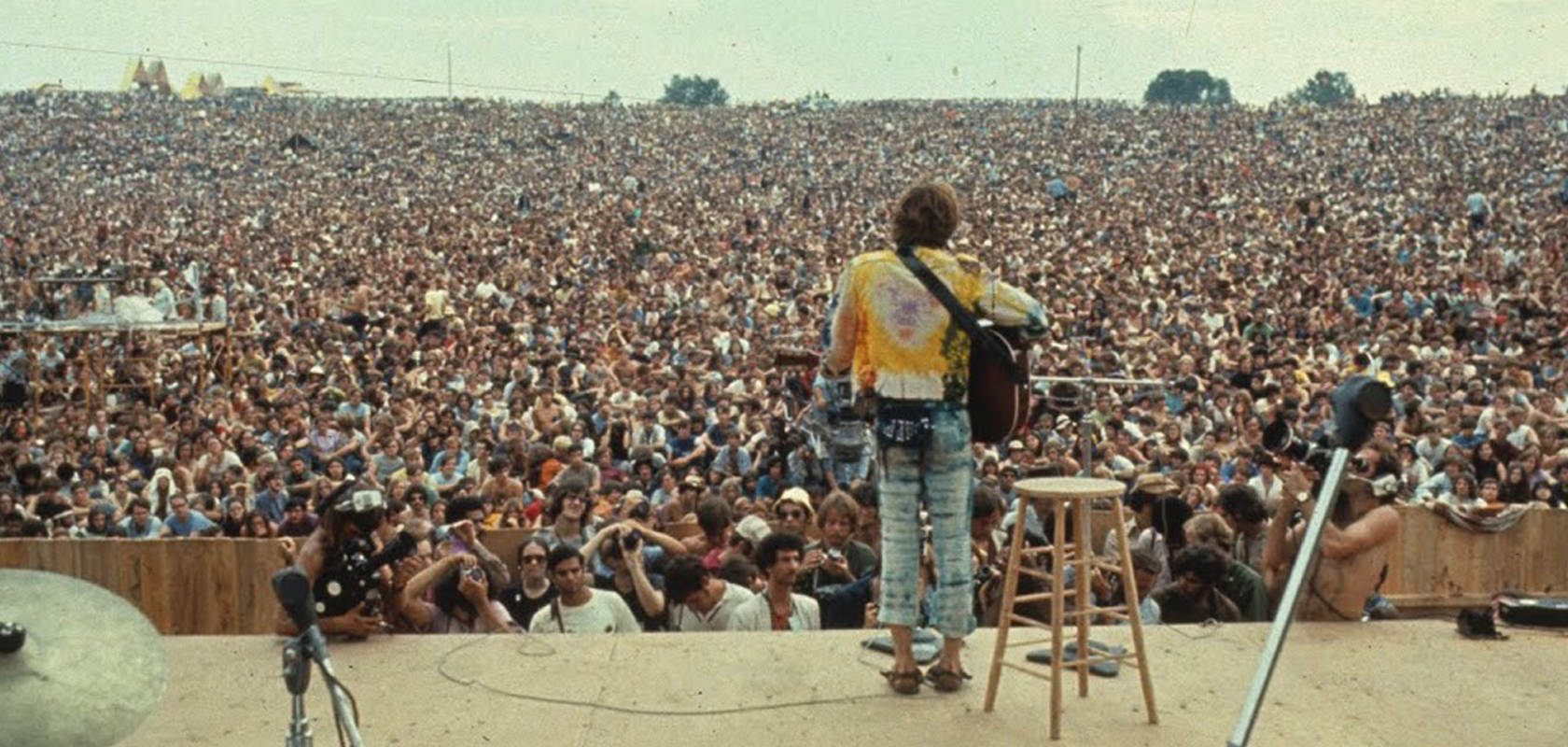
Music festivals became important cultural events, bringing together large audiences and connecting music with wider questions about peace, politics, and personal freedom. The 1969 Woodstock festival became one of the best-known symbols of the counterculture movement.
The music of the 1960s was more than entertainment. It became a language through which generations expressed their hopes, frustrations, and desire for change.
Interior Design: Space-Age Style and Modern Living
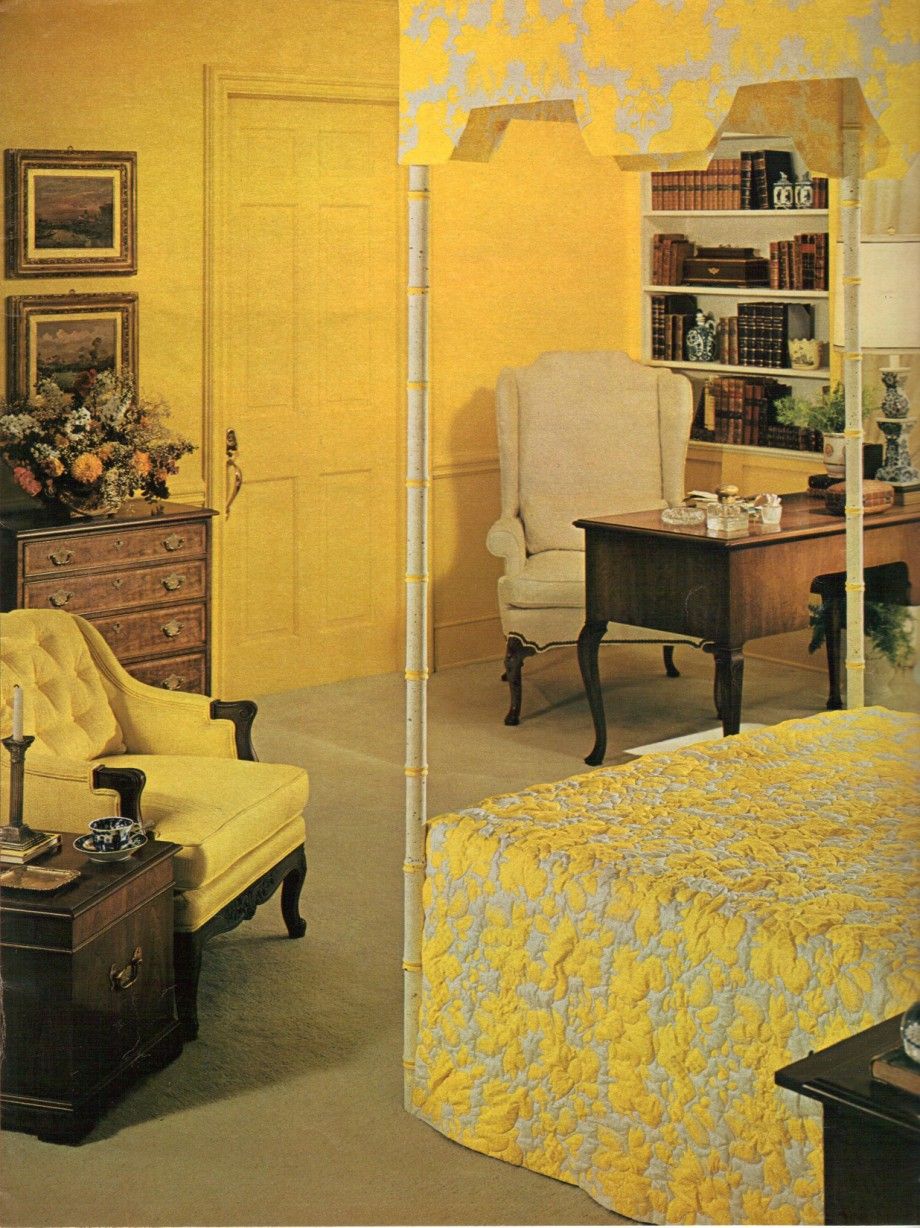
Interior design in the 1960s reflected the decade’s fascination with technology, space exploration, and modern materials. Clean lines and functional furniture remained influential, but designers increasingly experimented with sculptural shapes, vivid colours, and unconventional forms.
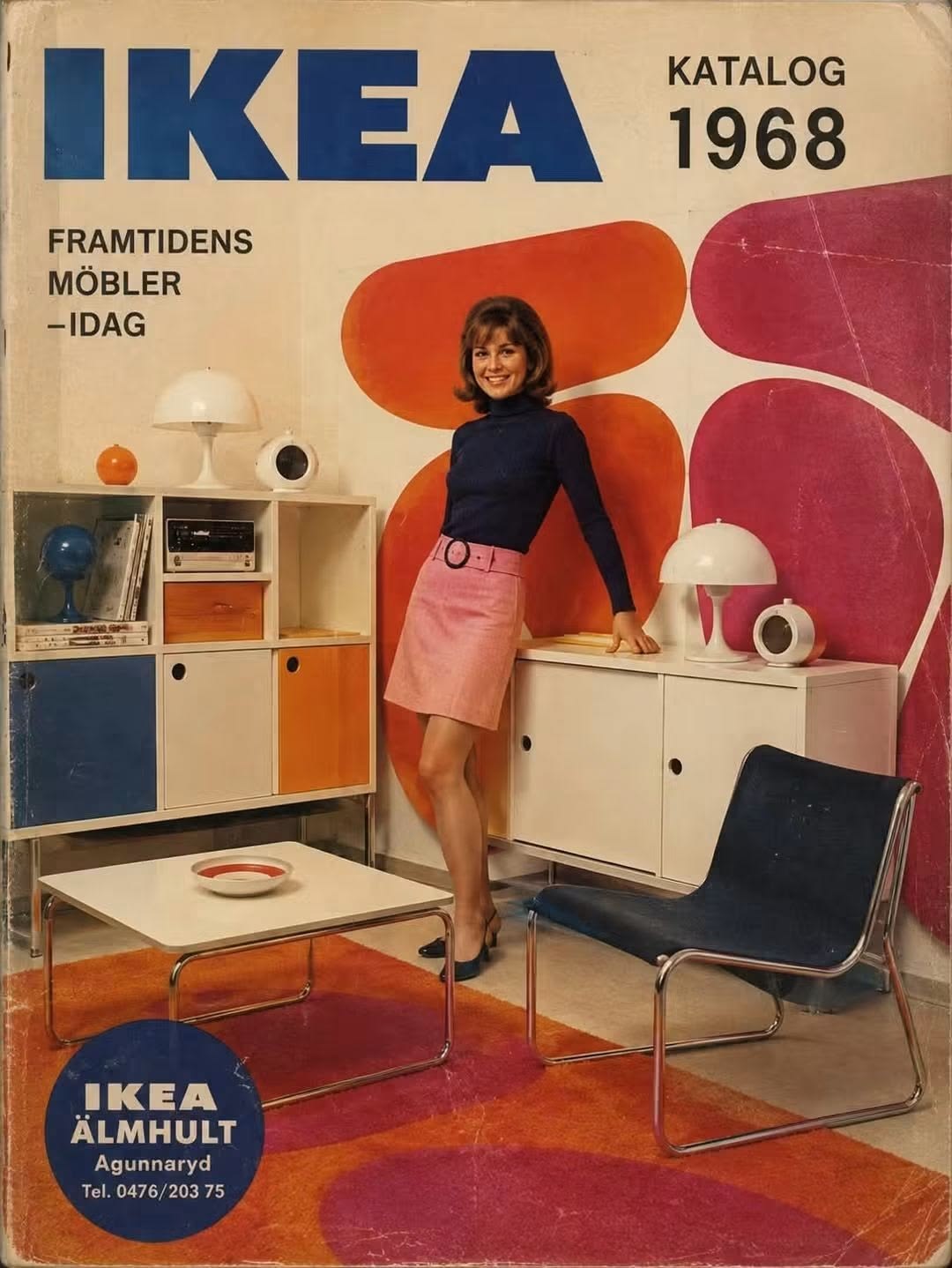
The Space Age aesthetic was particularly distinctive. Inspired by scientific progress and the excitement surrounding space exploration, designers created furniture and decorative objects with rounded silhouettes, smooth surfaces, and futuristic appearances.
Plastic, fibreglass, chrome, and other modern materials allowed designers to experiment with forms that had previously been difficult to produce. Chairs became sculptural objects, lamps took on playful shapes, and furniture increasingly served as a statement piece.
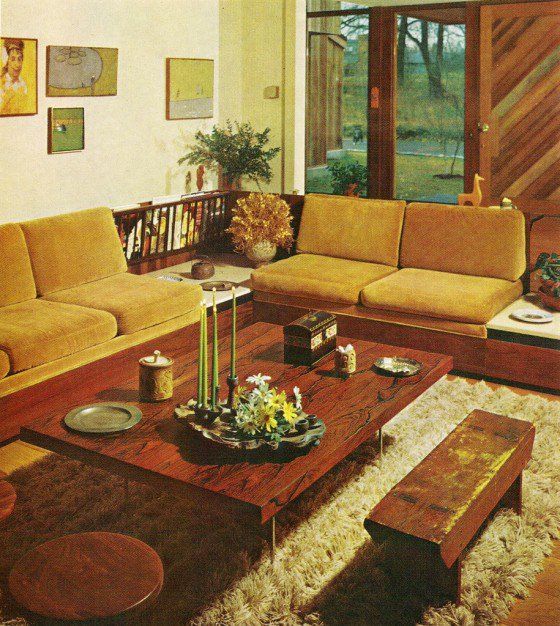
Colour was central to the decade’s interiors. Orange, mustard yellow, avocado green, turquoise, and combinations of black and white appeared in furniture, textiles, and decorative accessories.
Geometric wallpaper, patterned carpets, abstract artwork, and modular shelving brought visual energy into homes. At the same time, Scandinavian-inspired furniture continued to attract attention through its simplicity, functionality, and use of natural materials.
Television became an increasingly familiar feature of domestic life in many countries, influencing how living rooms were arranged. New consumer products and changing lifestyles encouraged households to rethink the relationship between comfort, entertainment, and design.
By the late sixties, interiors also began reflecting the influence of counterculture, with natural materials, informal arrangements, and globally inspired decorative elements appearing in some homes.
The decade’s design legacy remains visible today. Mid-century furniture, sculptural lighting, bold colour combinations, and futuristic forms continue to influence contemporary interiors.
Why the 1960s Still Inspire Us
The 1960s continue to influence fashion, music, cinema, and design because they represented a decisive break with many established conventions. The decade celebrated individuality and experimentation, encouraging people to explore new ways of dressing, creating, and expressing themselves.
Its fashion remains especially versatile. The clean lines of a sixties shift dress feel modern, while bold geometric patterns and colourful accessories offer a playful alternative to minimalist dressing. The elegance of Audrey Hepburn and Jacqueline Kennedy continues to inspire those drawn to classic sophistication, while the mod style associated with Twiggy offers a more graphic and youthful aesthetic.
The decade’s music also remains deeply influential. The Beatles, Motown artists, soul singers, and psychedelic musicians helped establish sounds that continue to shape popular music today.
Cinema preserves another aspect of the era’s appeal. From the romantic sophistication of Breakfast at Tiffany’s to the suspense of Hitchcock’s films, sixties cinema offers an extraordinary range of visual styles and storytelling approaches.
Interior designers continue to revisit the decade’s sculptural furniture, adventurous colours, and futuristic forms. These elements can feel both nostalgic and contemporary, demonstrating how successfully the period balanced experimentation with functional design.
Perhaps the most enduring lesson of the 1960s is that style can reflect a changing world. Its fashions, music, and images captured a generation exploring freedom, questioning conventions, and imagining new possibilities.
From the little black dress to the miniskirt, from Motown melodies to psychedelic rock, the decade produced a remarkable collection of cultural landmarks. Its influence extended far beyond fashion, shaping conversations about identity, technology, equality, and personal freedom.
The sixties remind us that style is never static. It changes with the people who wear it, the music they listen to, and the world they inhabit.
Perhaps that is why the decade remains so captivating. It captures the moment when tradition met experimentation, and when a new generation began to imagine modern life in its own image.
The 1960s taught the world that style could be elegant, rebellious, playful, and progressive — sometimes all at once.
Discover the next chapter of vintage history — [Explore the 1970s →]